What is STS, and what is the difference between STS and PCS?
2025-12-24

In energy storage systems, STS (Static Transfer Switch) and PCS (Power Conversion System) are two crucial devices that play a key role in ensuring power supply continuity and system stability. This article will delve into the working methods, basic principles, and core differences between STS and PCS systems.
Detailed Explanation of Static Transfer Switches (STS)

Basic Working Principle:
A static transfer switch (STS) is a fast switching device based on semiconductor technology, enabling seamless switching between two independent power sources (such as the power grid and energy storage systems). Its core consists of solid-state devices such as thyristors (SCRs) or insulated-gate bipolar transistors (IGBTs), capable of completing power switching within milliseconds.
STS Workflow
1. Continuous Monitoring: Real-time monitoring of voltage, frequency, and phase parameters of the primary and backup power supplies.
2. Fault Detection: Triggering switching logic when the primary power supply exceeds the preset tolerance range.
3. Synchronization Check: Ensuring synchronization of the two power supplies before switching, if possible.
4. Switching Execution: Achieving power conversion through rapid on/off switching of semiconductor devices.
5. Status Feedback: Reporting the switching operation and current power supply status to the monitoring system.
Key Technical Features of STS:
1. Switching Speed: Typical value is 1/4 cycle (approximately 4-8 milliseconds).
2. Zero-Interruption Switching: Employs "connect first, disconnect later" technology to ensure continuous power supply to the load.
3. Intelligent Control: Programmable logic supports multiple switching strategies and priority settings.

What is a Power Conversion System (PCS)?
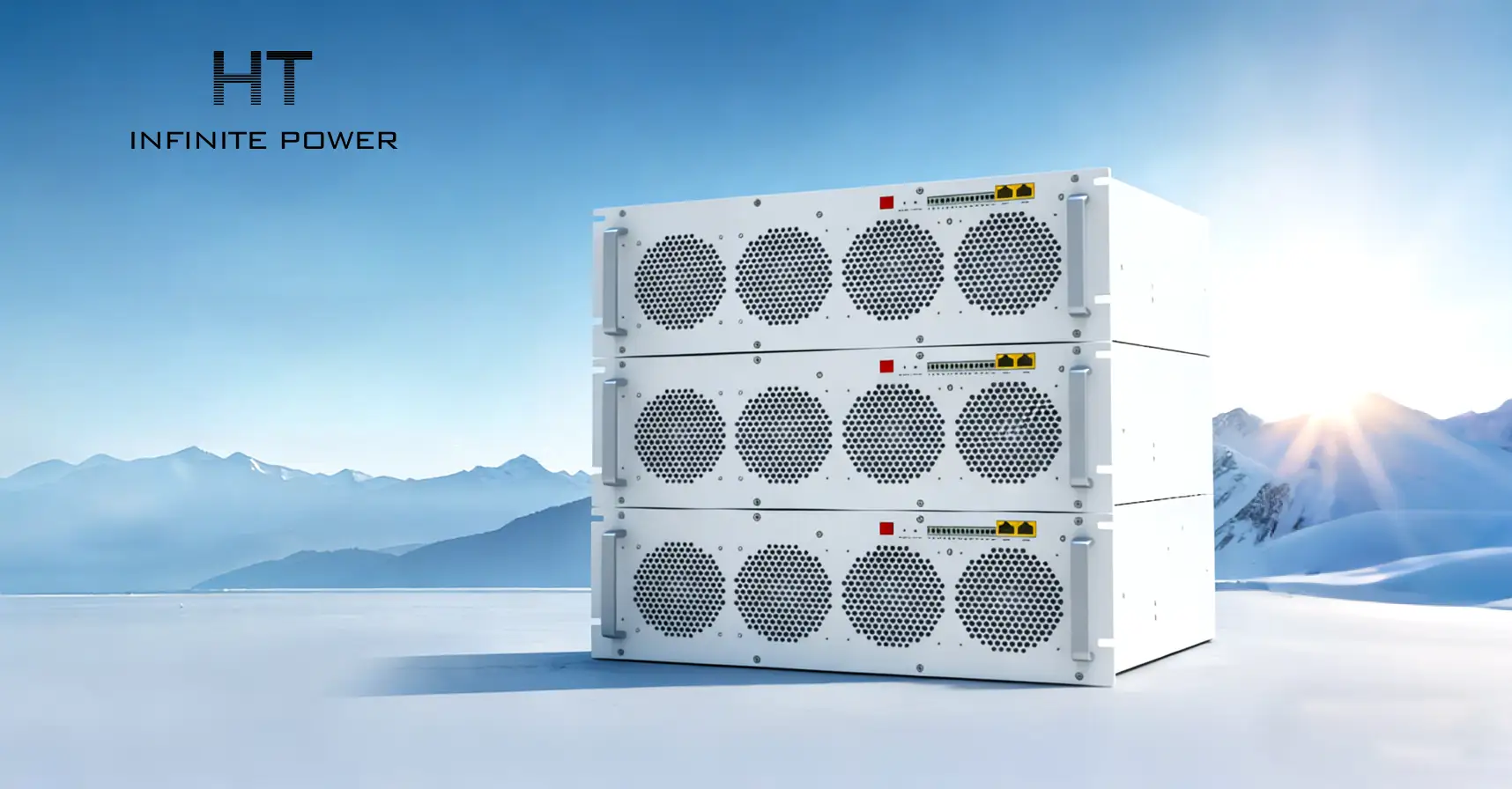
System Structure and Principle: A power conversion system (PCS) is a more complex energy management solution, integrating multiple functions such as AC/DC conversion, DC/AC conversion, battery management, and grid connection control. Its core function is the efficient conversion and optimized distribution of different forms of electrical energy.
PCS Main Operating Modes:
1. Grid-connected Mode: Operates synchronously with the power grid, enabling bidirectional energy flow.
2. Off-grid Mode: Provides power to critical loads as an independent power source.
3. Hybrid Mode: Intelligently schedules the coordinated operation of the power grid, energy storage, and renewable energy.
2. Off-grid Mode: Provides power to critical loads as an independent power source.
3. Hybrid Mode: Intelligently schedules the coordinated operation of the power grid, energy storage, and renewable energy.
PCS Functional Characteristics:
1. Multi-objective Optimization: Simultaneously considers economy, reliability, and efficiency.
2. Adaptive Control: Automatically adjusts operating strategies based on load characteristics and power supply conditions.
3. Predictive Maintenance: Analyzes equipment health status based on operational data.

Comparison of Key Differences between STS and PCS
Main Functions
STS (Static Transfer Switch): Fast power switching, response time typically less than 10ms. Simple system structure, relatively low cost. Focuses on fast switching, lacks energy conversion function, mainly used in hospitals, data centers, and other locations requiring uninterrupted power supply to critical loads.
PCS (Power Conversion System): Power conversion and integrated energy management, such as AC to DC, DC to AC. Slow response time, typically seconds to minutes. Complex system structure, integrates multiple power electronic converters, possesses bidirectional energy flow and intelligent scheduling capabilities, higher cost, mainly used in new energy power generation, microgrids, and energy storage systems.
Application Scenarios Selection Guide
Situations for Choosing STS:
1. Only requires rapid switching between two reliable power sources.
2. Limited budget and no need for energy conversion functionality.
3. Strict requirements for switching speed (e.g., powering IT equipment).
4. Simple system architecture, no need for complex energy management.
2. Limited budget and no need for energy conversion functionality.
3. Strict requirements for switching speed (e.g., powering IT equipment).
4. Simple system architecture, no need for complex energy management.
When to choose a PCS (Power Conversion System):
1. Need to integrate multiple energy sources (grid, batteries, renewable energy).
2. Requires bidirectional energy flow and intelligent dispatch.
3. The system needs long-term energy storage and energy optimization management.
4. Involves conversion requirements for different voltage levels or current types.
Typical application scenario: Pure grid-connected system
2. Requires bidirectional energy flow and intelligent dispatch.
3. The system needs long-term energy storage and energy optimization management.
4. Involves conversion requirements for different voltage levels or current types.
Typical application scenario: Pure grid-connected system
Situations requiring a PCS+STS combination solution:
1. Ensuring multi-energy management while guaranteeing millisecond-level power switching for critical loads. Examples include automatic switching between photovoltaic energy storage systems and the grid, and between diesel generators.
2. Systems with tiered load requirements (critical loads + general loads).
3. The need to construct a multi-layered power backup system (e.g., core data center equipment + general equipment).
4. Ensuring both high renewable energy utilization efficiency and over 99.99% power supply reliability.
5. Scenarios with ample budgets and extremely high system stability requirements.
Typical Application Cases
1. Tertiary Hospital: PCS manages photovoltaic + energy storage + grid, STS ensures the operation of critical loads such as operating rooms.
2. Semiconductor Factory: PCS coordinates energy within the factory, STS protects precision instruments.
3. Financial Data Center: PCS optimizes energy efficiency, STS ensures uninterrupted server operation.
2. Semiconductor Factory: PCS coordinates energy within the factory, STS protects precision instruments.
3. Financial Data Center: PCS optimizes energy efficiency, STS ensures uninterrupted server operation.
The project is configured with a photovoltaic energy storage system consisting of a 200kW PCS, a 600kW STS, and an 860kWh energy storage system.
Operating Modes:
1. Prioritizes photovoltaic power supply to the load; excess photovoltaic power is stored in the energy storage system. When photovoltaic power is insufficient, the energy storage system assists in supplying power to the load. When neither photovoltaic nor energy storage is sufficient, the STS automatically switches to grid power.
2. When the photovoltaic energy storage system recovers, the system automatically switches back to off-grid operation mode.
HT INFINITEPOWER specializes in customizing various photovoltaic energy storage systems to meet the needs of grid-connected, off-grid, and automatic switching between grid and off-grid applications.
Welcome to contact us for customized solutions.
Virtual Energy Storage vs. Physical Energy Storage: A Practical Comparison of PV-Storage Solutions in Europe
Energy storage battery balancing technology: Active balancing vs. Passive balancing