What is Lifepo4 battery?
2025-02-08
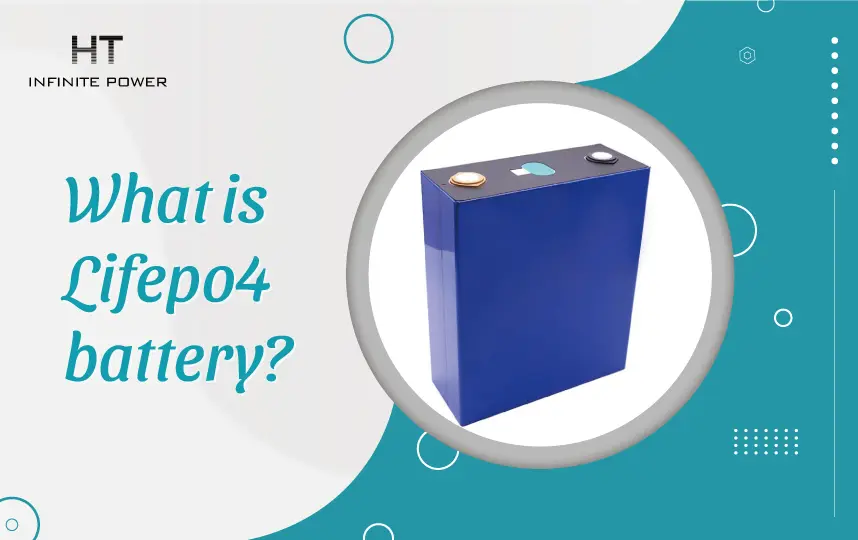
Lifepo4 battery is a lithium-ion battery that uses lithium iron phosphate (LiFePO4) as the positive electrode material and carbon as the negative electrode material. The single cell rated voltage is 3.2V and the charging cut-off voltage is 3.6V~3.65V.
During the charging process, some lithium ions in the lithium iron phosphate escape, are transferred to the negative electrode through the electrolyte, and are embedded in the negative electrode carbon material; at the same time, electrons are released from the positive electrode and reach the negative electrode from the external circuit to maintain the balance of the chemical reaction. During the discharge process, lithium ions escape from the negative electrode and reach the positive electrode through the electrolyte. At the same time, the negative electrode releases electrons and reaches the positive electrode from the external circuit to provide energy to the outside world.
Lifepo4 batteries have the advantages of high operating voltage, high energy density, long cycle life, good safety performance, low self-discharge rate and no memory effect.
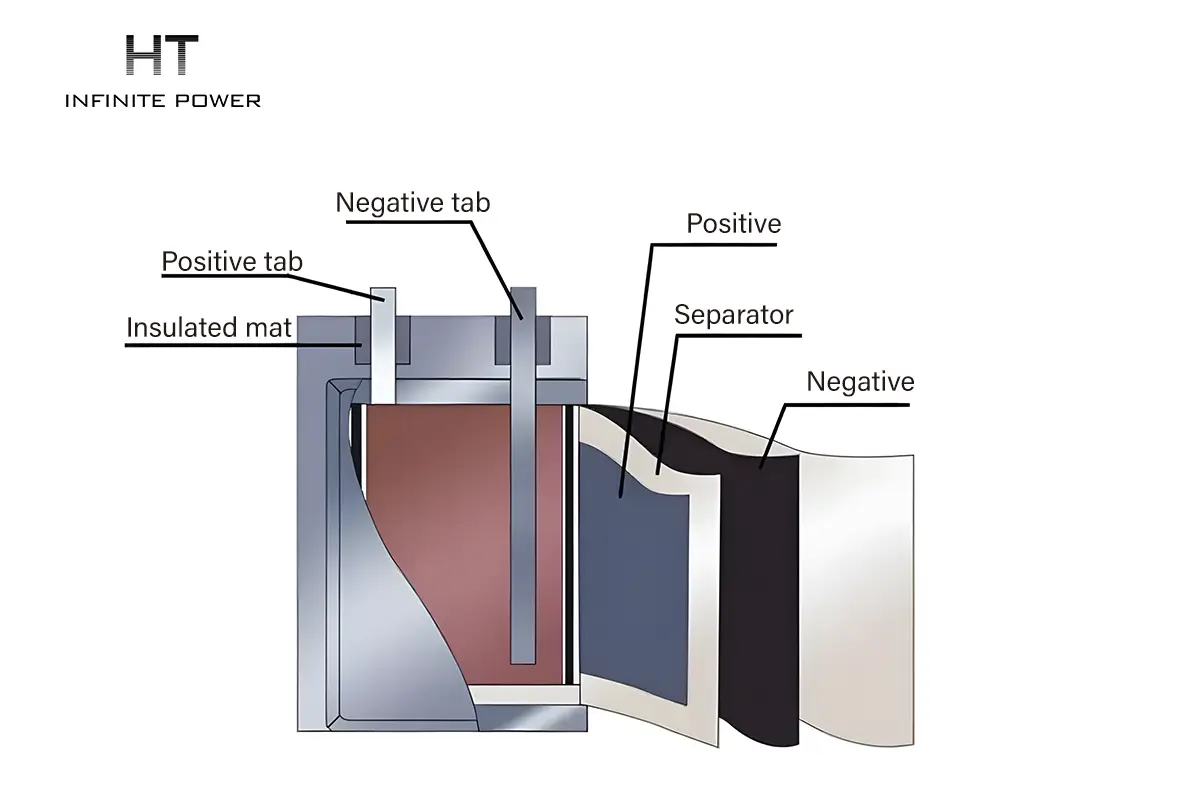
Structural characteristics of lithium iron phosphate batteries
The left side of the Lifepo4 battery is the positive electrode made of LiFePO4 material with an olivine structure, which is connected to the positive electrode of the battery by aluminum foil. The right side is the negative electrode of the battery composed of carbon (graphite), which is connected to the negative electrode of the battery by copper foil. In the middle is a polymer diaphragm, which separates the positive electrode from the negative electrode. Lithium ions can pass through the diaphragm but electrons cannot. The battery is filled with electrolyte and the battery is sealed by a metal shell.
Charging and discharging principle of Lifepo4 battery
The charge and discharge reaction of Lifepo4 battery is carried out between LiFePO4 and FePO4. During the charging process, LiFePO4 gradually separates from lithium ions to form FePO4, and during the discharging process, lithium ions are embedded in FePO4 to form LiFePO4.
When the battery is charged, lithium ions migrate from lithium iron phosphate crystals to the surface of the crystal, enter the electrolyte under the action of the electric field force, then pass through the diaphragm, and then migrate to the surface of the graphite crystal through the electrolyte, and then embed into the graphite lattice.
At the same time, electrons flow to the aluminum foil collector of the positive electrode through the conductor, and flow to the copper foil collector of the negative electrode of the battery through the tabs, the positive column of the battery, the external circuit, the negative column, and the negative tab, and then flow to the graphite negative electrode through the conductor, so that the charge of the negative electrode is balanced. After the lithium ions are deintercalated from lithium iron phosphate, lithium iron phosphate is converted into iron phosphate.
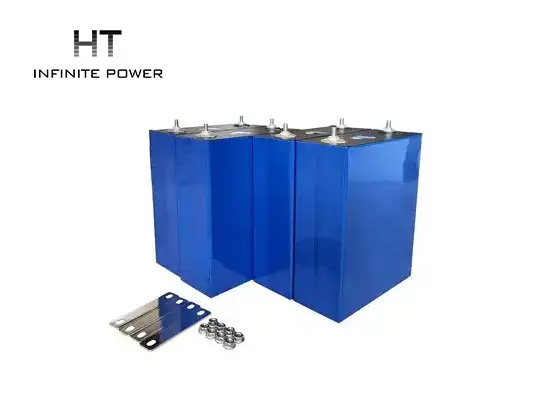
When the battery is discharged, lithium ions are deintercalated from the graphite crystals, enter the electrolyte, then pass through the diaphragm, migrate to the surface of the lithium iron phosphate crystals through the electrolyte, and then re-embed into the lithium iron phosphate lattice.
At the same time, electrons flow through the conductor to the copper foil collector at the negative electrode, through the tabs, the negative column of the battery, the external circuit, the positive column, and the positive tab to the aluminum foil collector at the positive electrode of the battery, and then through the conductor to the lithium iron phosphate positive electrode, so that the charge of the positive electrode is balanced. After the lithium ions are embedded in the iron phosphate crystals, the iron phosphate is converted into lithium iron phosphate.
Characteristics of lithium iron phosphate batteries
High energy density
According to reports, the energy density of the square aluminum shell Lifepo4 battery monomer produced in 2018 was about 160Wh/kg. In 2019, some excellent battery manufacturers can probably achieve a level of 175-180Wh/kg. Some powerful manufacturers use lamination technology and larger capacity, or can achieve 185Wh/kg.
Good safety performance
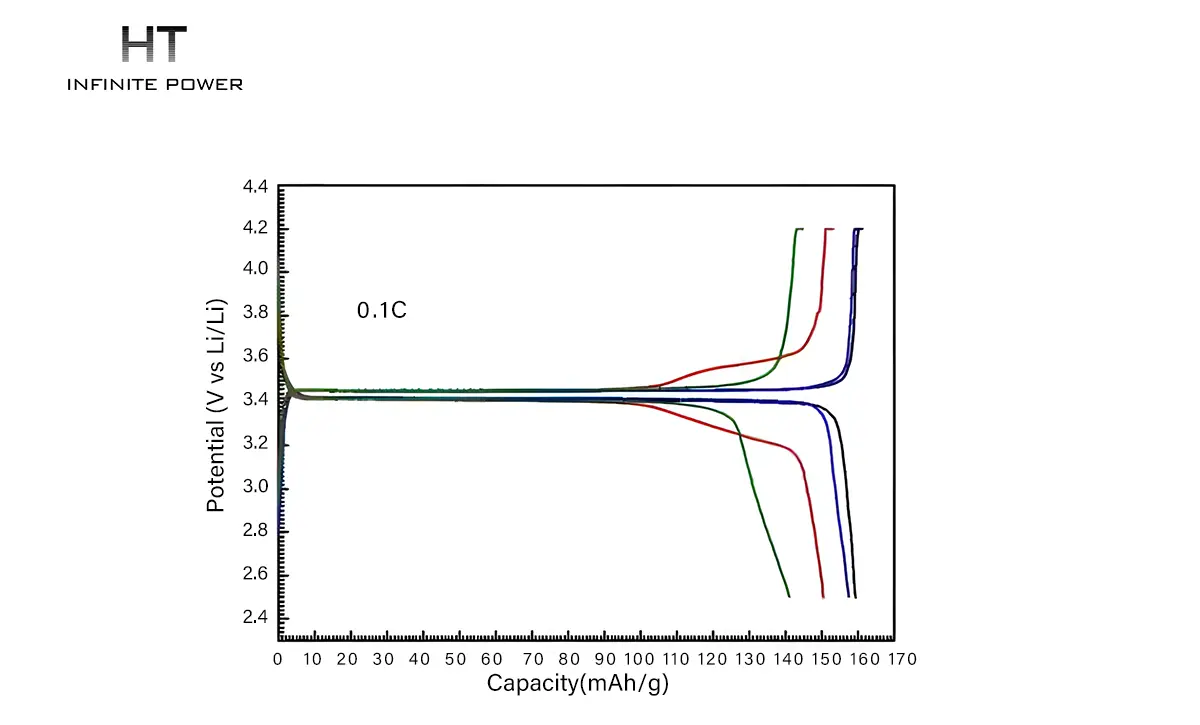
The electrochemical performance of the positive electrode material of Lifepo4 battery is relatively stable, which determines that it has a stable charging and discharging platform. Therefore, the structure of the battery will not change during the charging and discharging process, and it will not burn or explode. Even under special conditions such as short circuit, overcharge, extrusion, and acupuncture, it is still very safe.
Long cycle life
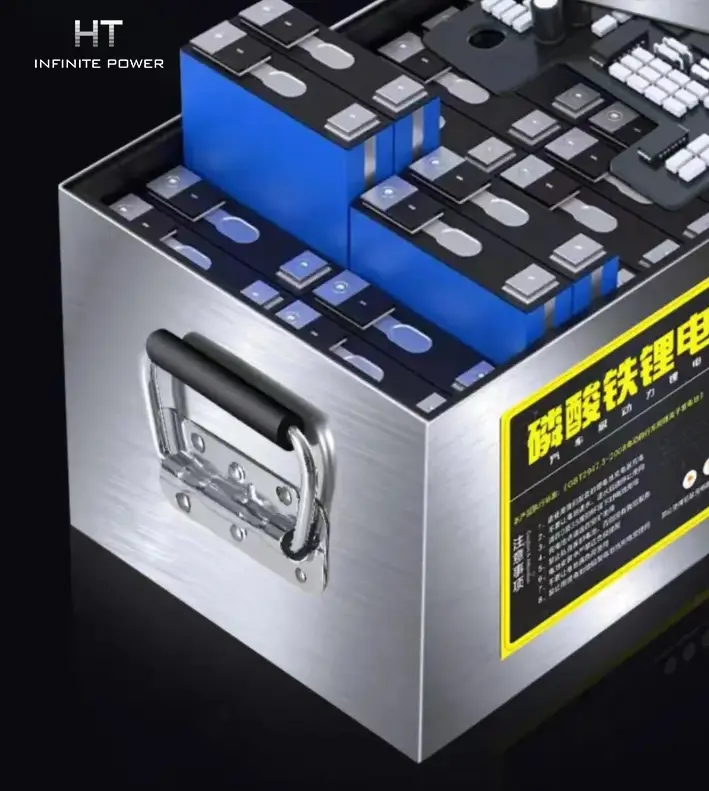
The 1C cycle life of Lifepo4 battery generally reaches 2,000 times, or even more than 3,500 times, while the energy storage market requires more than 4,000-5,000 times, ensuring a service life of 8-10 years, which is higher than the cycle life of more than 1,000 times of ternary batteries, and the cycle life of long-life lead-acid batteries is about 300 times.
Industrial application of lithium iron phosphate batteries
Application in the new energy vehicle industry
According to the report of the Global New Energy Vehicle Research Institute, by 2020, the cumulative production and sales of new energy vehicles will reach 10 million. Lifepo4 batteriesare widely used in passenger cars, buses, logistics vehicles, low-speed electric vehicles, etc. due to their advantages such as good safety and low cost.
Although, in the current new energy passenger vehicle field, affected by the national subsidy policy for new energy vehicles, ternary batteries occupy a dominant position with the advantage of energy density, but Lifepo4 batteriesstill have irreplaceable advantages in the fields of buses, logistics vehicles, etc.
The proportion of Lifepo4 batteriesin the field of electric vehicles is gradually increasing.
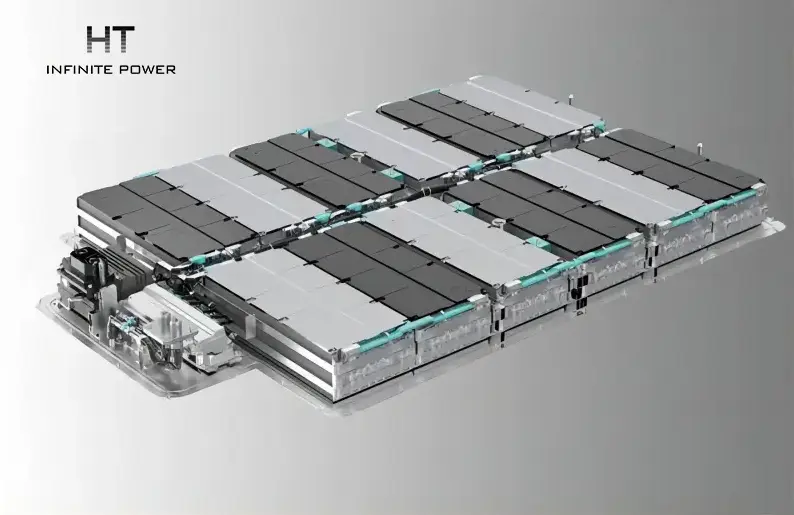
Experts believe that the use of Lifepo4 batteriesin the extended-range electric vehicle market can not only improve the safety of vehicles, but also support the marketization of extended-range electric vehicles, eliminating the anxiety of pure electric vehicles in terms of mileage, safety, price, charging, and subsequent battery problems.
During the period from 2007 to 2013, many car companies launched projects for extended-range pure electric vehicles.
Application in starting power supply
In addition to the characteristics of power lithium batteries, starting Lifepo4 batteriesalso have instantaneous high power output capabilities. Power lithium batteries with energy less than one kilowatt-hour are used to replace traditional lead-acid batteries, and BSG motors are used to replace traditional starting motors and generators. It not only has the idle start-stop function, but also has engine shutdown coasting, coasting and braking energy recovery, acceleration assistance and electric cruise functions.
Application in the energy storage market
Lifepo4 batterieshave a series of unique advantages, such as high operating voltage, high energy density, long cycle life, low self-discharge rate, no memory effect, and green environmental protection. They also support stepless expansion and are suitable for large-scale energy storage.
They have good application prospects in the fields of safe grid connection of renewable energy power stations, grid peak regulation, distributed power stations, UPS power supplies, and emergency power supply systems.
According to the latest energy storage report recently released by international market research organization GTM Research, the application of grid-side energy storage projects has led to a continuous increase in the use of lithium iron phosphate batteries.
With the rise of the energy storage market, in recent years, some power battery companies have deployed energy storage businesses to open up new application markets for lithium iron phosphate batteries.
On the one hand, due to its ultra-long life, safe use, large capacity, and green environmental protection, lithium iron phosphate can be transferred to the energy storage field, which will extend the value chain and promote the establishment of a new business model.
On the other hand, energy storage systems supporting Lifepo4 batterieshave become the mainstream choice in the market. According to reports, Lifepo4 batterieshave been tried for electric buses, electric trucks, user-side and grid-side frequency regulation.
1. Wind power, photovoltaic power and other renewable energy power generation can be safely connected to the grid.
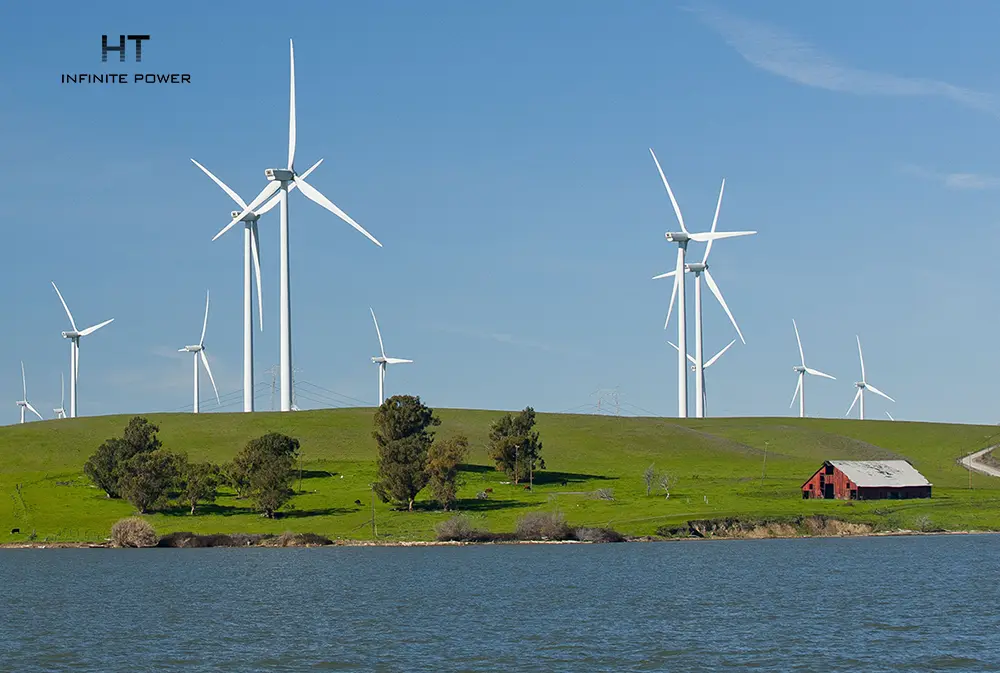
The inherent randomness, intermittent and volatility characteristics of wind power generation determine that its large-scale development will inevitably have a significant impact on the safe operation of the power system.
With the rapid development of the wind power industry, especially the fact that most wind farms in my country are "large-scale centralized development and long-distance transmission", the grid-connected power generation of large-scale wind farms poses severe challenges to the operation and control of large power grids.
Photovoltaic power generation is affected by ambient temperature, solar intensity and weather conditions, and it shows random fluctuations.
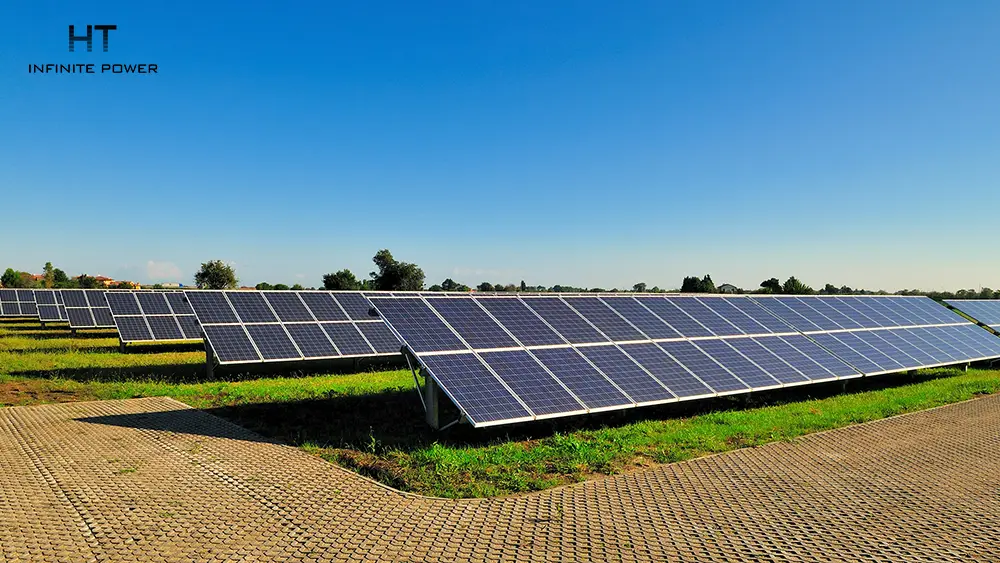
Photovoltaic power generation shows a development trend of "decentralized development, low-voltage local access" and "large-scale development, medium and high voltage access", which puts higher requirements on grid peak regulation and safe operation of power system.
Therefore, large-capacity energy storage products have become a key factor in resolving the contradiction between power grid and renewable energy generation.
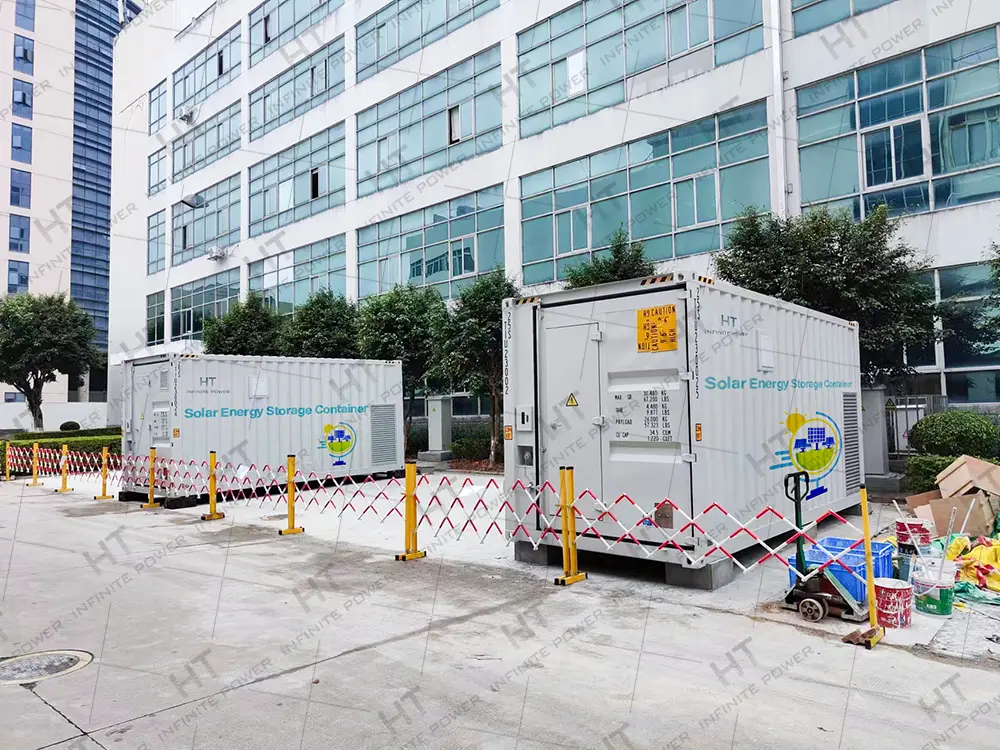
Lifepo4 battery energy storage system has the characteristics of fast working condition conversion, flexible operation mode, high efficiency, safety and environmental protection, strong scalability, etc. It has been applied in the national wind and solar storage and transmission demonstration project, which will effectively improve equipment efficiency, solve local voltage control problems, improve the reliability of renewable energy generation and improve power quality, making renewable energy a continuous and stable power supply.
With the continuous expansion of capacity and scale and the continuous maturity of integration technology, the cost of energy storage systems will be further reduced. After long-term testing of safety and reliability, Lifepo4 battery energy storage systems are expected to be widely used in the safe grid connection of renewable energy power generation such as wind power generation and photovoltaic power generation and in improving power quality.
2. Grid peak load regulation.
The main means of grid peak load regulation has always been pumped storage power stations. Since pumped storage power stations require the construction of two upper and lower reservoirs, they are greatly restricted by geographical conditions and are not easy to build in plain areas. They also occupy a large area and have high maintenance costs. The use of Lifepo4 battery energy storage systems to replace pumped storage power stations can cope with grid peak loads. They are not restricted by geographical conditions, have free site selection, low investment, small land area, and low maintenance costs. They will play an important role in the process of grid peak load regulation.
3. Distributed power stations.
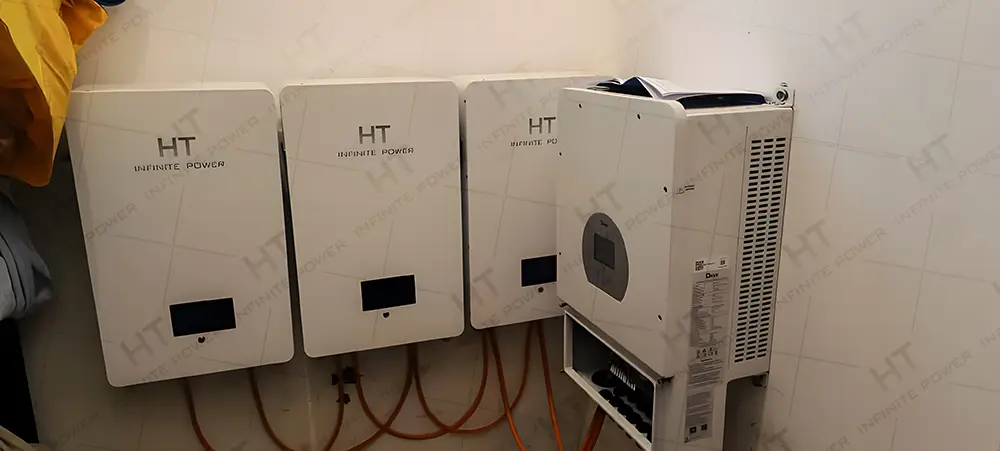
Due to the defects of large power grids themselves, it is difficult to ensure the quality, efficiency, safety and reliability of power supply. For important units and enterprises, dual or even multiple power supplies are often required as backup and protection. Lifepo4 battery energy storage systems can reduce or avoid power outages caused by power grid failures and various unexpected events, and play an important role in ensuring safe and reliable power supply for hospitals, banks, command and control centers, data processing centers, chemical materials industry and precision manufacturing industry.
4. UPS power supply.
The continuous and rapid economic development has led to the decentralization of UPS power supply user demand, which has led to a continuous demand for UPS power supply in more industries and more enterprises.
Compared with lead-acid batteries, Lifepo4 batterieshave the advantages of long cycle life, safety and stability, green environmental protection, and low self-discharge rate. With the continuous maturity of integrated technology and the continuous reduction of costs, Lifepo4 batterieswill be widely used in UPS power supply batteries.
Applications in other fields
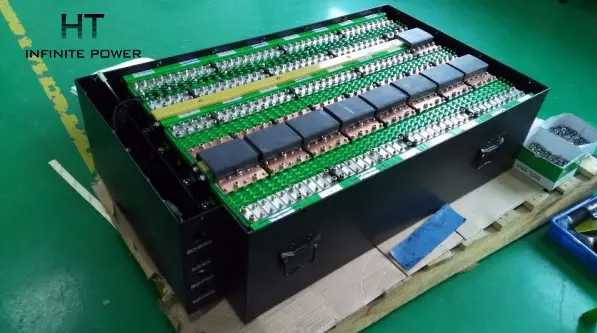
Lifepo4 batteriesare also widely used in the military field due to their good cycle life, safety, low temperature performance and other advantages. On October 10, 2018, a battery company in Shandong made a strong appearance at the first Qingdao Military-Civilian Integration Science and Technology Innovation Achievement Exhibition, exhibiting military products including -45℃ military ultra-low temperature batteries.
Lifepo4 battery energy storage system
Lifepo4 batterieshave a series of unique advantages such as high operating voltage, high energy density, long cycle life, and green environmental protection. They also support stepless expansion. After forming an energy storage system, they can store large-scale electric energy. The Lifepo4 battery energy storage system consists of a Lifepo4 battery pack, a battery management system (BMS), a commutation device (rectifier, inverter), a central monitoring system, a transformer, etc.
During the charging stage, the intermittent power supply or the power grid charges the energy storage system. The AC power is rectified into DC power after passing through the rectifier to charge the energy storage battery module and store energy; during the discharging stage, the energy storage system discharges to the power grid or load, and the DC power of the energy storage battery module is inverted into AC power through the inverter. The inverter output is controlled by the central monitoring system to provide stable power output to the power grid or load.
For more information about BMS, please refer to “lifepo4 battery management system (BMS)”

For more information about inverters, please refer to “Power conversion system ”
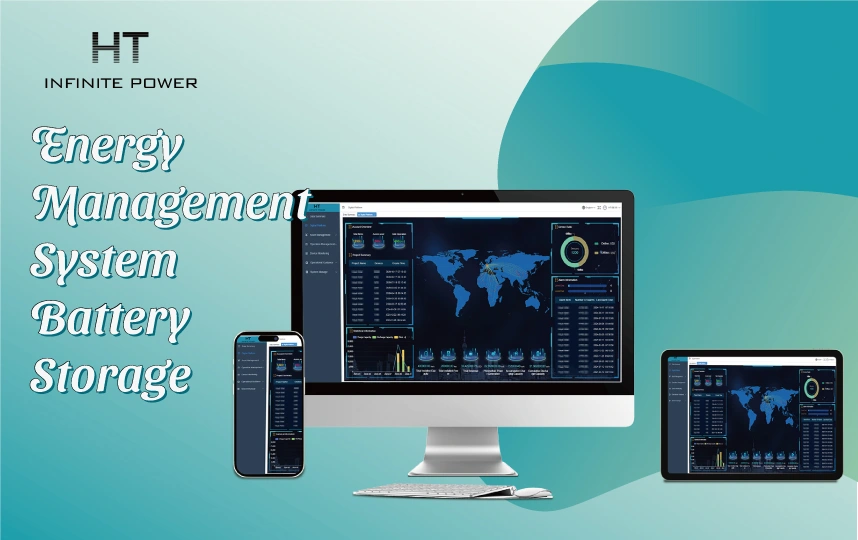
For more information about Lifepo4 battery management system, please refer to “energy management system”
Cascade utilization of lithium iron phosphate batteries
Generally speaking, retired Lifepo4 batteriesof electric vehicles still have nearly 80% of their capacity remaining, and there is still 20% of their capacity away from the lower limit of 60% of completely scrapped capacity. They can be used in occasions with lower energy requirements than automobiles, such as low-speed electric vehicles, communication base stations, etc., to achieve the cascade utilization of waste batteries.
Lifepo4 batteriesretired from automobiles still have a high utilization value. The cascade utilization process of power batteries is as follows: enterprises recycle retired batteries-disassembly-testing and grading-classification by capacity-battery module reorganization. Under the battery preparation level, the residual energy density of waste Lifepo4 batteriescan reach 60~90Wh/kg, and the recycling life can reach 400~1000 times. With the improvement of battery preparation level, the recycling life may be further improved. Compared with lead-acid batteries with an energy of 45Wh/kg and a cycle life of about 500 times, waste Lifepo4 batteriesstill have performance advantages. Moreover, the cost of waste Lifepo4 batteriesis relatively low, only 4000~10000 yuan/t, which is very economical.
Recycling characteristics of lithium iron phosphate batteries
Rapid growth and large amount of scrap
Since the development of the electric vehicle industry, China has been the world's largest consumer market for lithium iron phosphate. In particular, it grew at a rate of nearly 200% from 2012 to 2013. In 2013, China's sales of lithium iron phosphate were about 5797 tons, accounting for more than 50% of global sales.
In 2014, 75% of lithium iron phosphate cathode materials were sold to China. The theoretical life of Lifepo4 batteriesis 7 to 8 years (calculated as 7 years). It is estimated that by 2021, about 9400 tons of lithium iron phosphate will be scrapped. If such a huge amount of waste is not handled, it will not only cause environmental pollution, but also energy waste and economic losses.
Significant harm
LiPF6, organic carbonates, copper and other chemical substances contained in Lifepo4 batteriesare all on the national hazardous waste list. LiPF6 is highly corrosive and easily decomposes when exposed to water to produce HF; organic solvents and their decomposition and hydrolysis products can cause serious pollution to the atmosphere, water, and soil, and harm the ecosystem; heavy metals such as copper accumulate in the environment, and eventually It harms humans through the biological chain; once phosphorus enters water bodies such as lakes, it can easily cause eutrophication of water bodies. It can be seen that if discarded Lifepo4 batteriesare not recycled, it will be extremely harmful to the environment and human health.
Recycling technology is immature
Existing information shows that there are two types of recycling processes for used lithium iron phosphate batteries: one is recycling metals, and the other is regenerating lithium iron phosphate cathode materials.
Disassembly and recycling of lithium iron phosphate batteries
Retired Lifepo4 batteriesthat do not have the value of cascade utilization and batteries after cascade utilization will eventually enter the disassembly and recycling stage. Unlike ternary material batteries, Lifepo4 batteriesdo not contain heavy metals. The recycling is mainly Li, P, and Fe. The added value of the recycled products is low, and it is necessary to develop low-cost recycling routes. There are two main recycling methods: pyrometallurgy and hydrometallurgy.
Pyrometallurgical recycling process
Traditional pyrometallurgical recycling generally involves high-temperature incineration of electrode sheets to burn off carbon and organic matter in the electrode fragments. The remaining ash that cannot be burned is finally screened to obtain a fine powder material containing metals and metal oxides.
This method is simple, but the processing flow is long and the comprehensive recovery rate of valuable metals is low. The improved pyrometallurgical recycling technology removes organic binders by calcination, separates lithium iron phosphate powder from aluminum foil, obtains lithium iron phosphate material, and then adds appropriate amounts of raw materials to obtain the required molar ratio of lithium, iron, and phosphorus, and synthesizes new lithium iron phosphate by high-temperature solid phase method. According to cost calculations, the improved pyrometallurgical dry recycling of waste Lifepo4 batteriescan achieve profitability, but the newly prepared lithium iron phosphate according to this recycling process has many impurities and unstable performance.
Wet recycling process
Wet recycling mainly uses acid-base solution to dissolve metal ions in lithium iron phosphate batteries, and further uses precipitation, adsorption and other methods to extract the dissolved metal ions in the form of oxides, salts, etc. In the reaction process, most reagents such as H2SO4, NaOH and H2O2 are used. The wet recycling process is simple, the equipment requirements are not high, and it is suitable for industrial-scale production. It is the most studied and mainstream treatment route for waste lithium-ion batteries.
The wet recycling of Lifepo4 batteriesis mainly based on the recovery of positive electrodes. When using the wet process to recycle lithium iron phosphate positive electrodes, the aluminum foil current collector must first be separated from the positive electrode active material.
One method is to use alkaline solution to dissolve the current collector, while the active material does not react with the alkaline solution, and the active material can be obtained by filtration.
The second method is to use an organic solvent to dissolve the binder PVDF, so that the lithium iron phosphate positive electrode material is separated from the aluminum foil, and the aluminum foil is reused. The active material can be subsequently processed, and the organic solvent can be distilled to achieve its recycling.
Compared with the two methods, the second method is more environmentally friendly and safe. One way to recycle lithium iron phosphate in the positive electrode is to generate lithium carbonate. This recycling method is low-cost and is adopted by most lithium iron phosphate recycling companies, but the main component of lithium iron phosphate, iron phosphate (content 95%), is not recycled, resulting in a waste of resources.
The ideal wet recycling method is to convert the waste lithium iron phosphate cathode material into lithium salt and iron phosphate to achieve full element recovery of Li, Fe, and P.
To convert lithium iron phosphate into lithium salt and iron phosphate, ferrous iron needs to be oxidized to trivalent iron, and lithium needs to be leached out by acid or alkali leaching. Some scholars use oxidation calcination to separate aluminum flakes and lithium iron phosphate, and then extract and separate them by sulfuric acid to obtain crude iron phosphate. The solution is impurity-removed and precipitated into lithium carbonate with sodium carbonate; the filtrate is evaporated and crystallized to obtain anhydrous sodium sulfate product which is sold as a by-product; the crude iron phosphate is further refined to obtain battery-grade iron phosphate, which can be used in the preparation of lithium iron phosphate materials. After years of research, this process has become relatively mature.

Application results
In the first half of 2022, the installed capacity of power batteries was 220.1 GWh, a year-on-year increase of 109.8%. Among them, the installed capacity of ternary batteries accounted for 41.4%, a year-on-year increase of 51.2%; the installed capacity of Lifepo4 batteriesaccounted for 58.5%, a year-on-year increase of 189.7%.
In June 2024, Geely Automobile's self-developed and self-produced new generation of "blade-type" lithium iron phosphate batteries-Aegis Short Blade Battery, will be released at the end of June. The new generation of batteries will be first installed on the new pure electric SUV model "Galaxy E5". This Aegis Short Blade battery has achieved technological breakthroughs in safety, cycle life, fast charging capability and low-temperature discharge performance.
The new generation of Aegis Short Blade batteries achieves higher safety through a shorter and more compact size and volume design, and further improves the flexibility of the entire package layout, while increasing the energy density of the "blade-type" Lifepo4 battery to nearly 200Wh/kg.
How to check lithium battery?
What is a step up transformer?