Is my roof suitable for installing a solar photovoltaic power generation system? How much installation area do I need?
2024-09-09
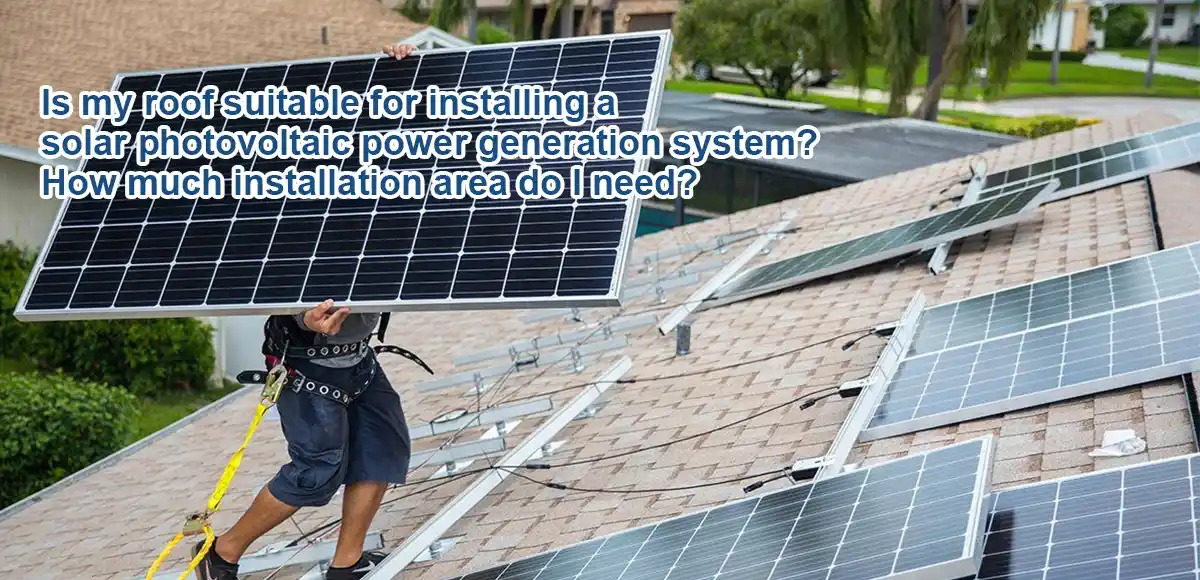
With the increasing shortage of fossil energy worldwide and the rapid popularization of clean energy, more and more families and businesses choose to install solar power generation systems. In order to better improve space utilization and power generation efficiency, photovoltaic power generation systems are recommended to be installed on the roof. However, many people do not know whether their home roof or commercial roof can be installed with a photovoltaic power generation system, and how much installation area is required.
In this article, we will introduce the requirements and scope of application of rooftop installation of solar photovoltaic power generation systems.
1. What are the conditions for installing a photovoltaic power station on the roof?
(1). Efficiency of the photovoltaic system:
The photovoltaic modules need to receive the maximum amount of solar radiation, so the orientation and inclination are important factors. The best installation conditions can ensure the efficient operation of the photovoltaic system throughout the year. You can use the PV SYSTEM software to confirm the installation direction and installation angle. It is generally recommended to choose south-facing installation in northern hemisphere countries and north-facing installation in southern hemisphere countries to maximize power generation efficiency.
Since the angle of the roof is fixed, it is difficult for us to change the installation angle.
Since the angle of the roof is fixed, it is difficult for us to change the installation angle.
(2). Structural stability and load-bearing capacity:
The roof must be able to bear the weight of the photovoltaic modules and brackets, and resist wind loads and snow loads. Old or structurally unstable roofs are not suitable for installing photovoltaic systems.
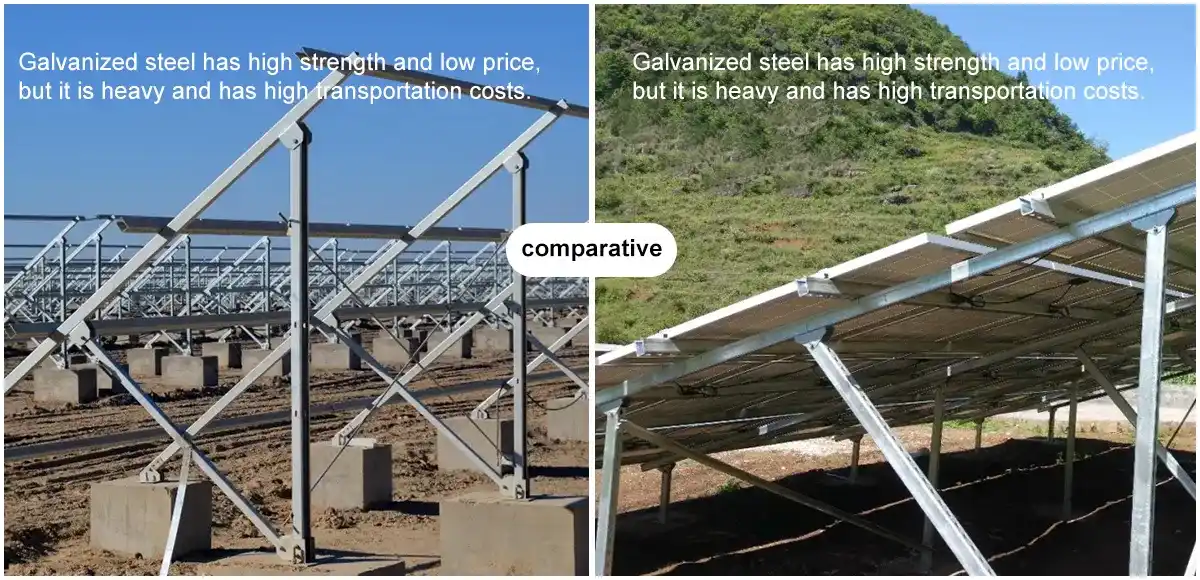
The main mounting bracket materials are galvanized steel and aluminum alloy. The strength, price, and weight of the two materials are different. You can choose the mounting bracket that suits you according to your needs.
Galvanized steel has high strength and low price, but it is heavy and has high transportation costs.
Aluminum alloy has high strength and light weight, but it is more expensive.
The main mounting bracket materials are galvanized steel and aluminum alloy. The strength, price, and weight of the two materials are different. You can choose the mounting bracket that suits you according to your needs.
Galvanized steel has high strength and low price, but it is heavy and has high transportation costs.
Aluminum alloy has high strength and light weight, but it is more expensive.
(3). Shading effect:
Shading objects will create shadows and affect the power generation capacity of photovoltaic modules. Severely shaded roofs cannot provide continuous power output.
We should try to choose unobstructed places to install photovoltaic panels, or remove the obstructions.
We should try to choose unobstructed places to install photovoltaic panels, or remove the obstructions.
(4). Waterproof and durability:
The roof needs to have good waterproof performance to avoid damaging the roof structure during the installation process and causing leakage problems. Durable materials can ensure the long-term stable operation of the photovoltaic system.
(5). Installation area:
The photovoltaic system requires a certain area to arrange enough components to achieve the expected power generation. Buildings with too small roof areas cannot achieve economic benefits. Generally speaking, 5-6 square meters of effective installation area are required for each KW photovoltaic panel. We will give examples below.
(6). Return on investment:
The roof conditions must meet the basic requirements of the photovoltaic system to achieve the expected return on investment. Factors such as orientation, inclination, and shading directly affect the power generation and economic benefits of the system. Based on the above five factors, you can evaluate whether your roof has the basic conditions for installing a photovoltaic power station.
2. Which roofs can be installed with photovoltaic power stations
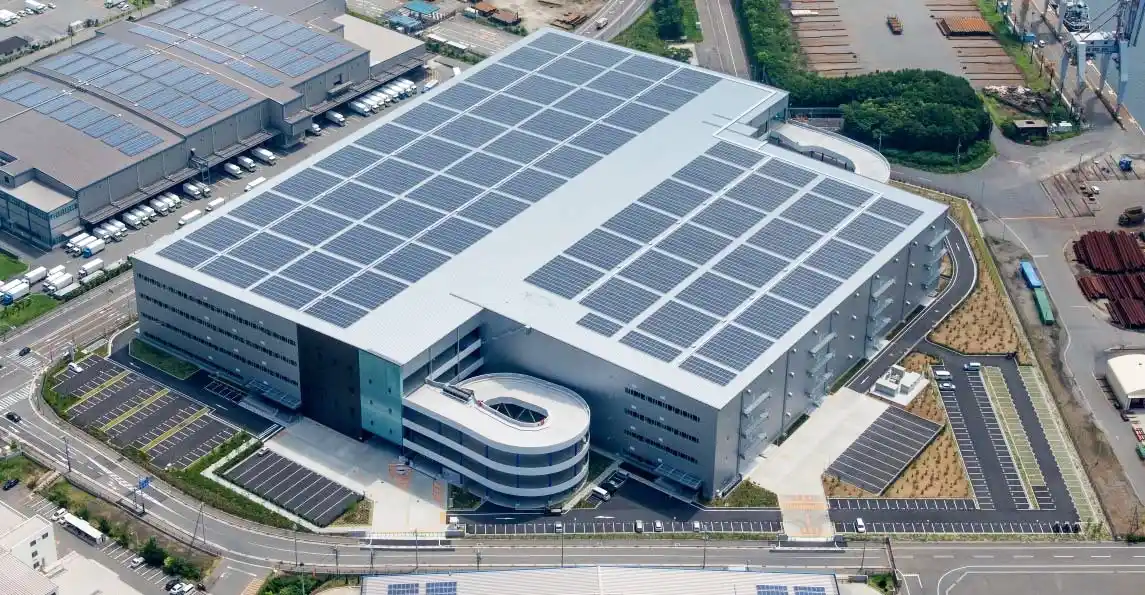
Flat roofs:
Flexible installation, the angle of the photovoltaic modules can be adjusted to maximize the capture of sunlight. However, additional brackets and fixing systems may be required, increasing costs.
Application scenarios:
Commercial buildings, industrial plants, some residential buildings
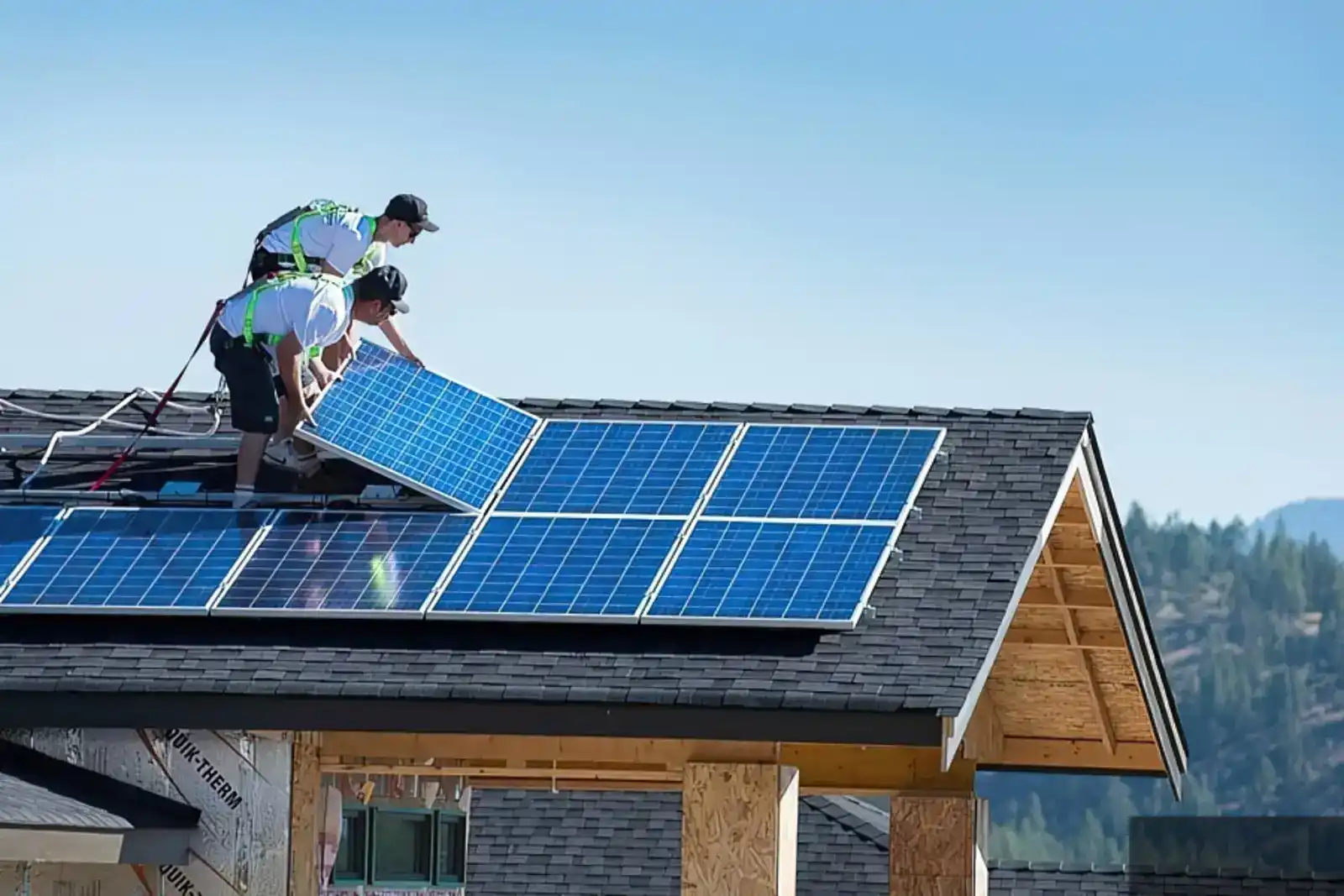
Sloped roof:
The structure is simple, the hook method is used, and the installation cost is relatively low. If the roof is facing the right direction, the photovoltaic module can be fixed directly on the roof. However, its angle is not adjustable, and it is necessary to ensure that the roof direction and tilt angle are suitable.
Application scenarios:
Residential buildings, rural houses, villas, etc.
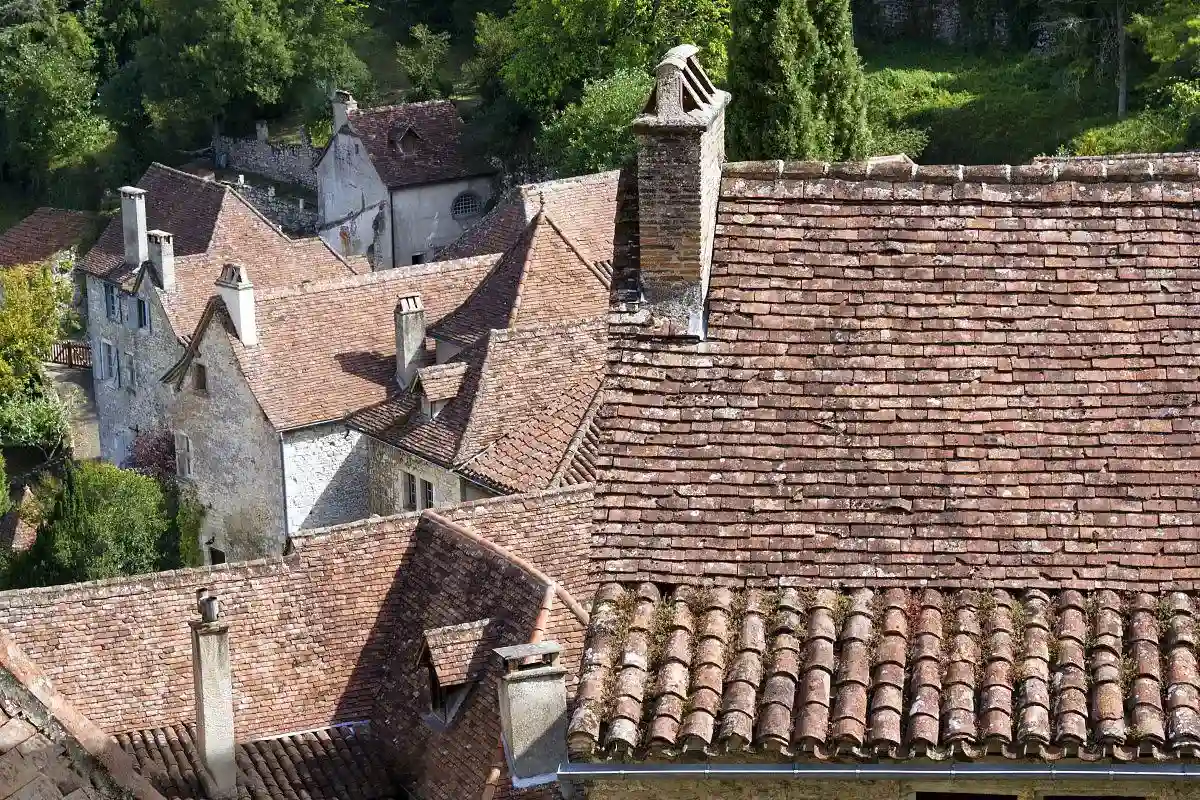
Tile roof:
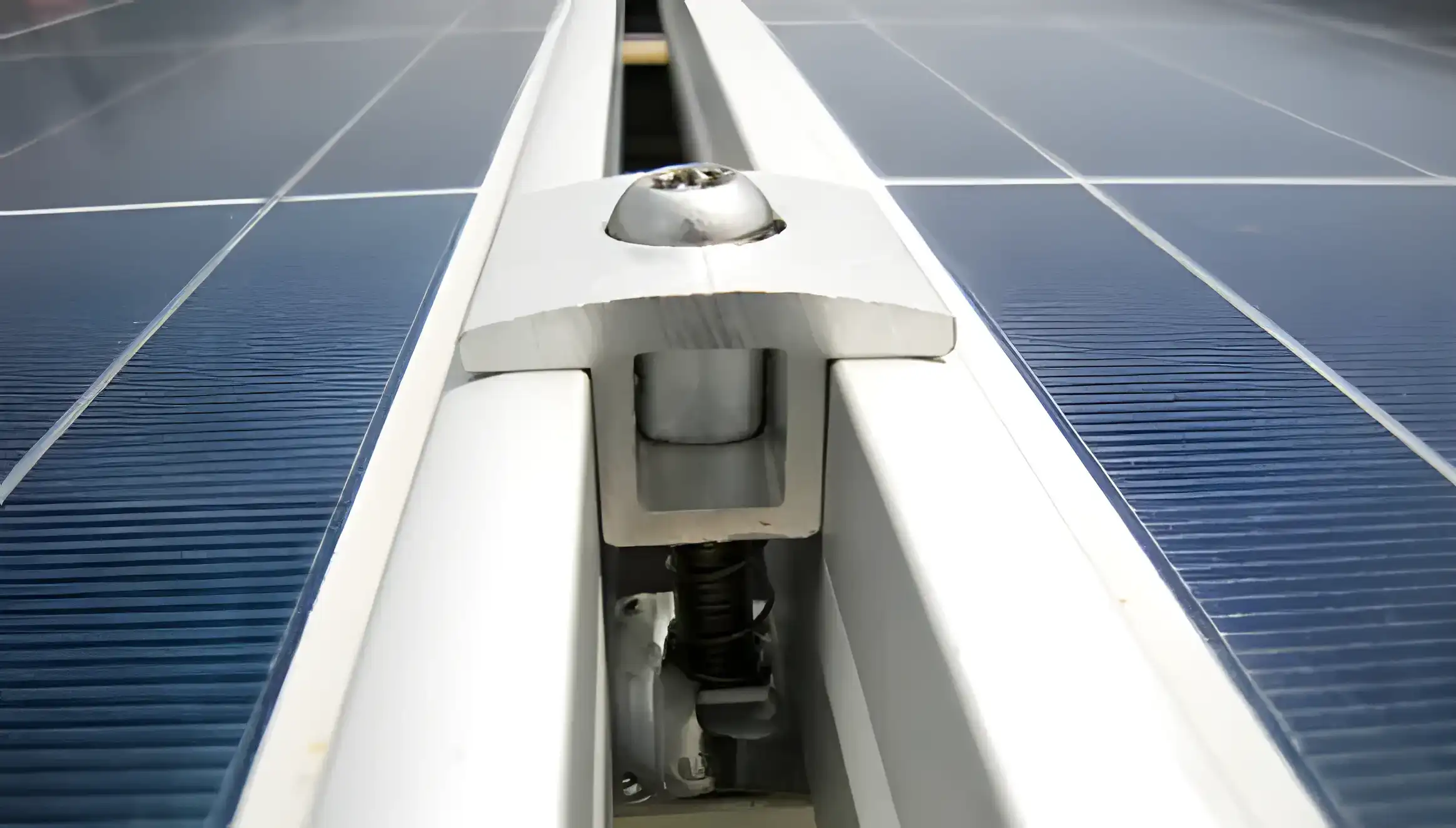
Beautiful and in harmony with the architectural style. No need to destroy the roof structure during installation. Generally, the photovoltaic panels are installed using the clamp method. The installation is more complicated and needs to be firmly fixed to avoid water leakage.
Application scenarios:
Residential buildings, villas, and some commercial buildings.
Metal roof:
High strength, good durability, relatively easy to install. Care should be taken to prevent galvanic corrosion.
Application scenarios:
Industrial plants, warehouses, commercial buildings.

Rural sun room roof:
Sun room is also suitable for installing photovoltaic power generation system due to its good lighting performance

3. Which roofs are prohibited or not suitable for building photovoltaic power stations?
The government requires that they be prohibited, for example:
1. Old community buildings that have been completed for more than 25 years;
2. Buildings with structural, fire, electrical and other safety risks;
3. Buildings with risk assessment levels of C and D;
4. Buildings with roofs (including tiles, tile load-bearing structures, and roof platforms) that have been in disrepair for a long time and have structural and other safety risks;
5. Buildings that are planned to be demolished or abandoned within five years;
6. Buildings with the roof facing the shade as a whole or with large areas of shading around them:
7. Buildings with large dust, heat and corrosive gases on the roof or around them;
8. Buildings classified as Class A and Class B in terms of fire hazard;
9. Areas where the sunlight standards of adjacent buildings may be reduced after installation
2. Buildings with structural, fire, electrical and other safety risks;
3. Buildings with risk assessment levels of C and D;
4. Buildings with roofs (including tiles, tile load-bearing structures, and roof platforms) that have been in disrepair for a long time and have structural and other safety risks;
5. Buildings that are planned to be demolished or abandoned within five years;
6. Buildings with the roof facing the shade as a whole or with large areas of shading around them:
7. Buildings with large dust, heat and corrosive gases on the roof or around them;
8. Buildings classified as Class A and Class B in terms of fire hazard;
9. Areas where the sunlight standards of adjacent buildings may be reduced after installation
In addition to the above description, we generally make judgments based on the following:
(1). Old or damaged roof:
The structure is unstable, leaking or damaged. Because installing a photovoltaic system requires the roof to have sufficient load-bearing capacity and good waterproofing. An old or damaged roof cannot protect these basic conditions.
(2). Roofs that are poorly oriented:
North (Northern Hemisphere) or south (Southern Hemisphere). Because the photovoltaic system needs to receive maximum sunlight, poor orientation will significantly reduce power generation efficiency, resulting in a low return on investment.
(3). Severely blocked roof:
Blocked by tall buildings, trees or other obstacles. Because photovoltaic modules need to be exposed to sunlight all day long, obstructions will cause shadows and affect power generation efficiency. Roofs with unsatisfactory shading analysis results are not suitable for installing photovoltaic systems.
(4). The roof area is too small:
The roof area is insufficient to arrange enough photovoltaic modules. Because photovoltaic systems require a certain installation area to generate enough electricity, the roof area is too small to achieve economic benefits.
(5). The roof inclination is inappropriate:
The inclination is too large or too small. Because the optimal inclination angle should be close to the local latitude, an inclination angle that is too large or too small will reduce the power generation efficiency of the photovoltaic module and affect the overall performance.
Roofs suitable for installing photovoltaic power plants need to have good orientation and inclination, sufficient structural stability and load-bearing capacity, less shading, and a large installation area. Roofs that are not suitable for installing photovoltaic power plants are mainly due to factors such as old or damaged, poor orientation and inclination, severe shading, and too small area, which cannot meet the basic requirements for efficient operation of photovoltaic systems.
4.Rooftop installation area
10kw solar system with battery backup occupies an area of about 55 square meters to 100 square meters. The specific area depends on the size of the photovoltaic panel, the installation method (flat roof or sloping roof), whether maintenance channels are reserved, and other factors.
The calculation basis of the floor area mainly includes the size and installation density of the photovoltaic panel. During the actual installation, it is necessary to consider the maintenance channel and the light and shadow angle, and reserve a certain amount of space, so the actual floor area will be larger. For polycrystalline silicon photovoltaic modules, the size is 1.65×0.992 meters, and the occupied area of 5kW is about 40-50 square meters, and 10kW is about 80-100 square meters. Using 600W photovoltaic panels, each occupies an area of about 2.82 square meters, and 10kW requires about 55 square meters.
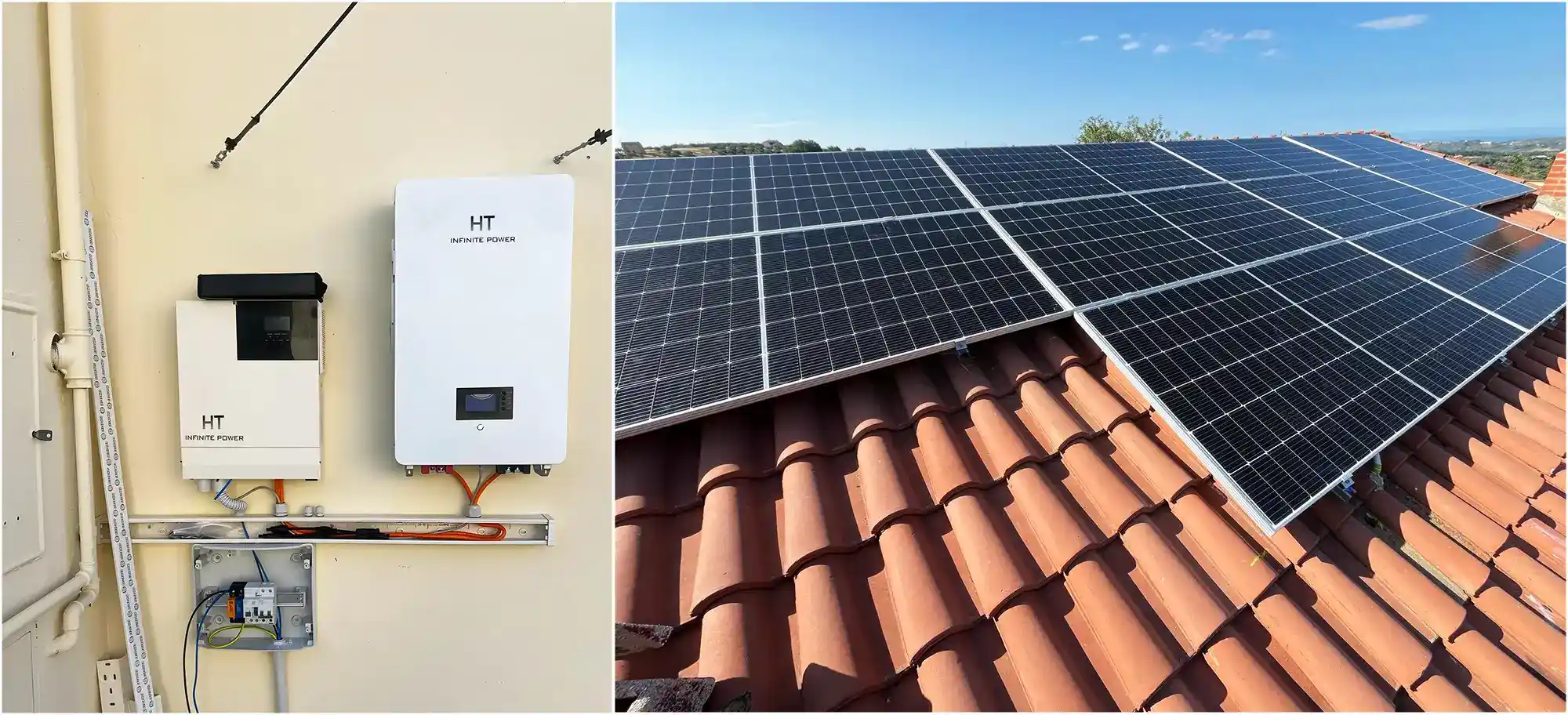
The following is an actual on-site case diagram of the installation of an infinit power 10kw solar system with battery backup. The photovoltaic panels cover an area of 67 square meters and the battery is 10KWH.
Photovoltaic + energy storage + agriculture is opening up a new future
What is a photovoltaic combiner box and its function