What Is Dual Power Supply and Dual Circuit Supply in Energy Storage Systems?
2026-04-15
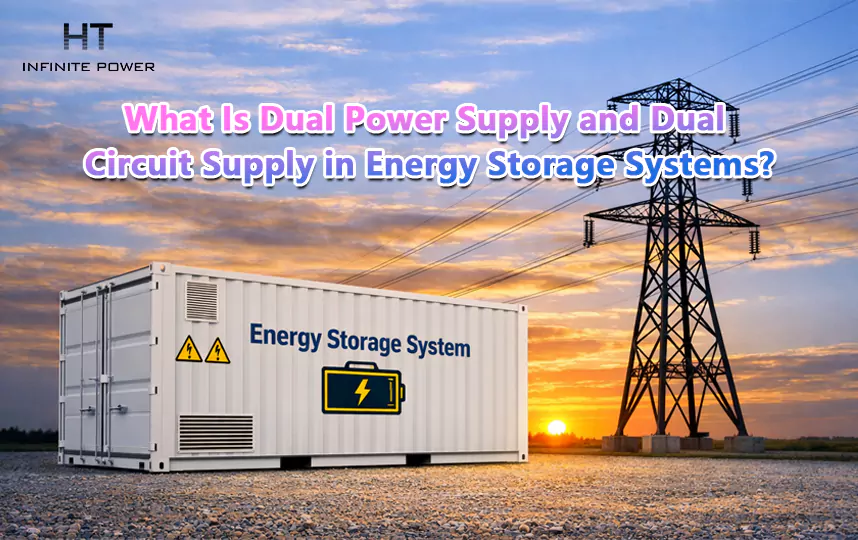
In power engineering, people often use “dual-circuit power supply” and “dual-source power supply” as if they mean the same thing. In conversation, that happens all the time. In real projects, though, the difference matters. One is about having two independent routes for electricity to reach a load. The other is about having two independent power sources that can support the load if one source fails.
That distinction sounds small until you put it inside an energy storage system. Then it becomes very practical. A battery storage plant is not just a battery cabinet and a PCS. It is a site with control systems, auxiliary loads, communications, cooling, fire protection, protection relays, and often a direct relationship with the grid. All of those parts need continuous, stable power. If the auxiliary side goes down, the whole system can become unavailable even if the battery itself is healthy.
That is why dual-circuit and dual-source supply schemes show up so often in storage projects. They are not there for decoration. They are there because reliability, continuity, and safe operation are part of the business model.
Why the difference matters in the first place
A dual-circuit supply means one load is fed by two independent lines, usually from two different feeders or from two separate bus sections within the same substation. The key point is that the two circuits are separate paths. If one fails, the other can take over.
A dual-source supply goes a step further. Here, the load is supplied by two electrically independent sources. Those sources may come from different substations, a utility source plus a standby generator, or a utility source plus another independent backup source. The emphasis is not only on the path, but on the source itself.
That difference is easy to overlook in design meetings, especially when people are focused on keeping a storage project online. But the distinction becomes important when you start asking a more serious question: if one part of the upstream system fails, do I still have a real backup, or do I only have another path to the same weakness?
In other words, dual-circuit improves route reliability. Dual-source improves source reliability. In a storage project, both may be needed, but they solve different problems.
How dual-circuit supply works in storage systems
Dual-circuit supply is often used to make sure the storage plant itself can keep running under normal grid conditions and during maintenance or faults on one feeder. A typical arrangement is to bring in power from two different lines, either from two substations or from two bus sections of the same substation. Each line can support the site load, and the system can switch between them when necessary.
This is especially useful for large storage plants, because the auxiliary systems are not small. HVAC units, control cabinets, communication devices, fire suppression systems, lighting, security, and parts of the PCS infrastructure all need uninterrupted power. If one feeder is lost, the site should not have to shut down its control layer just because one incoming line has a problem.
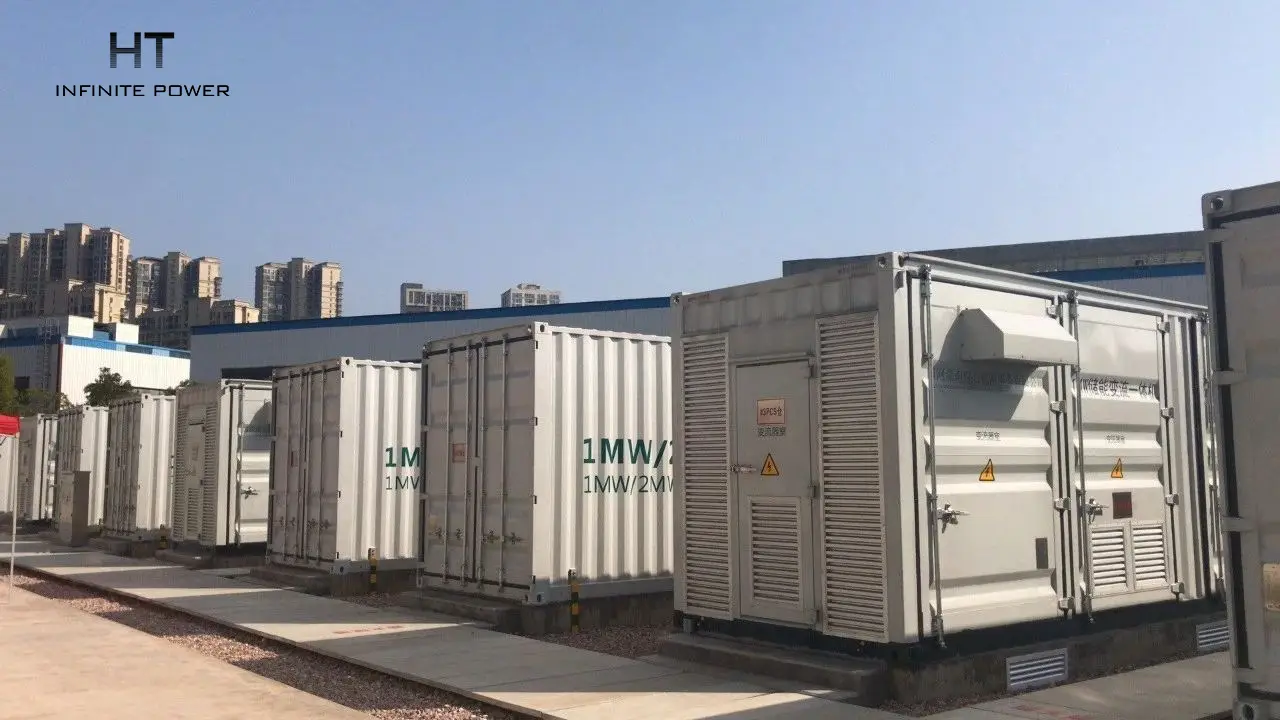
Why storage plants care about feeder redundancy
A battery system may still be physically available when one incoming line is lost, but that does not automatically mean the site can continue operating safely. The PCS may need control power. The BMS may need monitoring. The thermal system may need to keep the battery inside its safe temperature range. Even a short loss of auxiliary power can create alarms or force the plant into a reduced mode.
So the value of dual-circuit supply is not just “more electricity.” It is operational continuity. It helps prevent a single feeder issue from becoming a site-wide interruption.
What dual-circuit supply is not
It is not the same as having two completely independent power sources. If the two lines are fed from the same upstream source or share a vulnerable upstream point, then the system still has a common dependency. That is why engineers should be careful not to overstate the redundancy. A dual-circuit arrangement is useful, but it is only as strong as the independence of the upstream design.
In practice, the storage project team should always ask whether the two circuits are truly independent in the way the project needs. Sometimes the answer is yes. Sometimes the arrangement is only partially redundant. That difference matters more once the project is in operation.
How dual-source supply changes the reliability picture
Dual-source supply is a stronger concept because it focuses on two independent sources of electricity, not just two paths. For storage projects, that can mean utility plus generator, utility plus another feeder from a different substation, or utility plus a local backup source that takes over when the main supply disappears.
This matters when the storage site needs to survive a real upstream outage. A dual-circuit setup may still lose both lines if the failure is upstream of the split. A dual-source setup has a better chance of keeping the system alive because it does not depend on one single origin of power.
That is why dual-source configurations are often used in higher-reliability storage applications. In some plants, the goal is not just to keep the battery charged. The goal is to keep the site operational so the storage asset can continue to support grid services, local backup, or dispatch obligations.
The storage plant is not always the load — sometimes it is the infrastructure
This is a point that is easy to miss. In a storage project, the battery is not the only important asset. The plant itself is a system that consumes power to stay alive. If the site loses auxiliary power, the battery may be fine in theory but not useful in practice.
That is why dual-source supply is often paired with automatic transfer logic. If the main source fails, the backup source must step in fast enough to preserve the site’s essential functions. In some cases, the system can tolerate a short interruption. In others, it cannot. The required behavior depends on how the storage plant is used.
Where ATS and STS fit into the picture
A dual-circuit or dual-source design is only useful if the system can switch properly. That is where ATS and STS come in.
An ATS, or automatic transfer switch, is used to move the load from one source to another when the preferred source fails. It is reliable, relatively common, and suitable for many storage applications where a short interruption is acceptable. The transfer time is typically measured in seconds, not milliseconds. That makes it useful for many utility or industrial applications, but not for every case.
An STS, or static transfer switch, is different. It uses power electronics to make the transfer much faster, often in the millisecond range. That makes it better suited for sensitive loads where even a short gap is unacceptable.
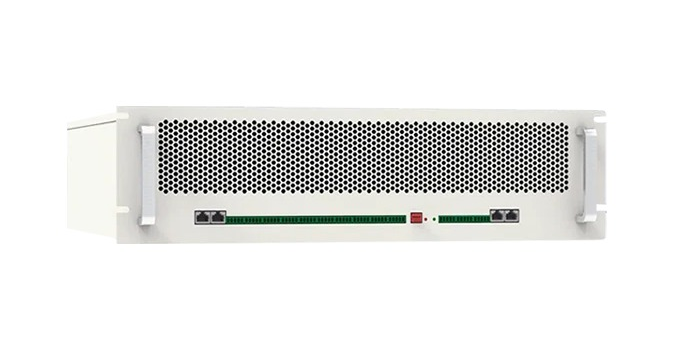
In storage systems, this matters because some loads are easy to tolerate and others are not. A control cabinet may survive a short transfer. A sensitive control network or critical auxiliary load may not. The engineer needs to decide how fast the handover must be, then choose the switching device accordingly.
ATS is about continuity; STS is about near-instant continuity
That simple distinction is useful. An ATS is usually enough when the storage plant can ride through a brief interruption. An STS becomes important when the site must avoid even a short power gap. In other words, ATS gives you a practical backup path. STS gives you a much cleaner transition.
The choice is not just technical. It affects cost, complexity, maintenance, and system behavior during abnormal events. A project with higher continuity demands may justify STS. A project with simpler auxiliary loads may not need it.
Why storage systems often need both forms of supply
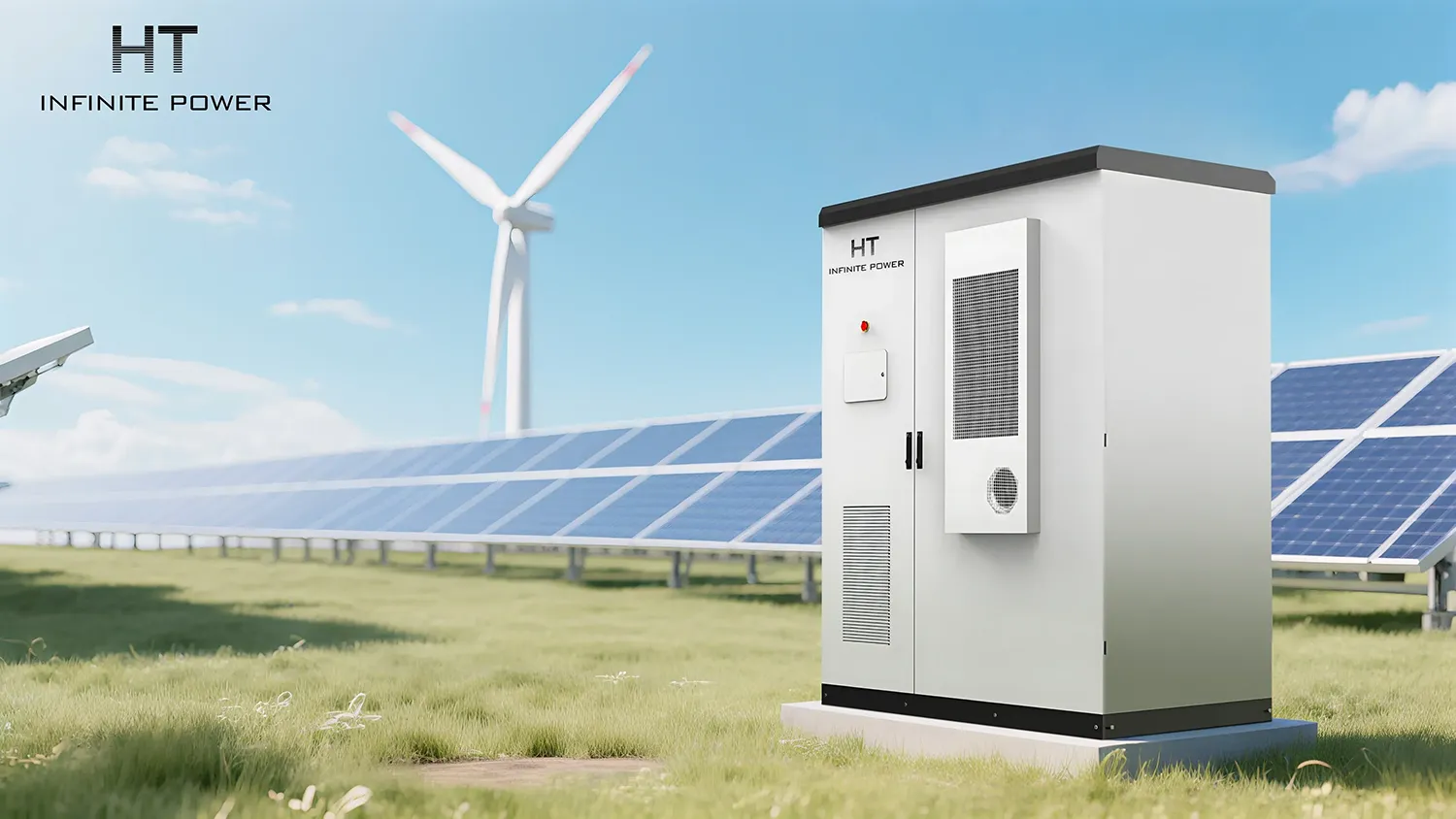
In practice, dual-circuit and dual-source supply are often used together rather than as alternatives. A storage site may receive power from two circuits under normal conditions and still have a backup source for true outage scenarios.
This layered approach makes sense because not every failure is the same.
Sometimes one feeder is lost during maintenance.
Sometimes a breaker trips.
Sometimes the entire upstream utility source goes down.
Sometimes the site itself needs to switch to a generator or another independent source.
Sometimes a breaker trips.
Sometimes the entire upstream utility source goes down.
Sometimes the site itself needs to switch to a generator or another independent source.
A well-designed storage project should be able to handle more than one of these situations. That is why a layered supply strategy is usually more practical than relying on a single backup idea.
Where these schemes are used in energy storage
The applications are broad, but the logic is consistent. Large grid-side storage projects often need dual-circuit or dual-source arrangements to keep auxiliary systems available. Commercial and industrial storage systems may need them to protect critical load continuity or to support demand management without interruption. Microgrids often use them because redundancy is part of the whole operating concept.
In many cases, the storage system itself is expected to do more than just sit there and charge or discharge. It may be expected to provide peak shaving, frequency support, backup power, or renewable smoothing. If the plant goes offline because of a single upstream issue, those functions stop too. That is why supply reliability becomes part of the value proposition.
.
Why auxiliary systems deserve more attention than they usually get
People often focus on battery capacity, PCS efficiency, or round-trip performance. Those are important. But auxiliary systems can be the weak point that takes the whole plant down. Cooling, protection, communications, and monitoring all need power. Without them, the storage system cannot safely or reliably do its job.
That is why dual-circuit and dual-source strategies are often designed around the auxiliary side first. If the control system stays alive, the rest of the site has a chance to stay useful. If the control side goes dark, the project loses much more than a few lights.
How engineers should think about selecting the right scheme
The right answer is not always “use the most redundant option.” More redundancy is useful, but it also adds cost and complexity. The better question is what kind of interruption the project can tolerate and what level of independence the site actually needs.
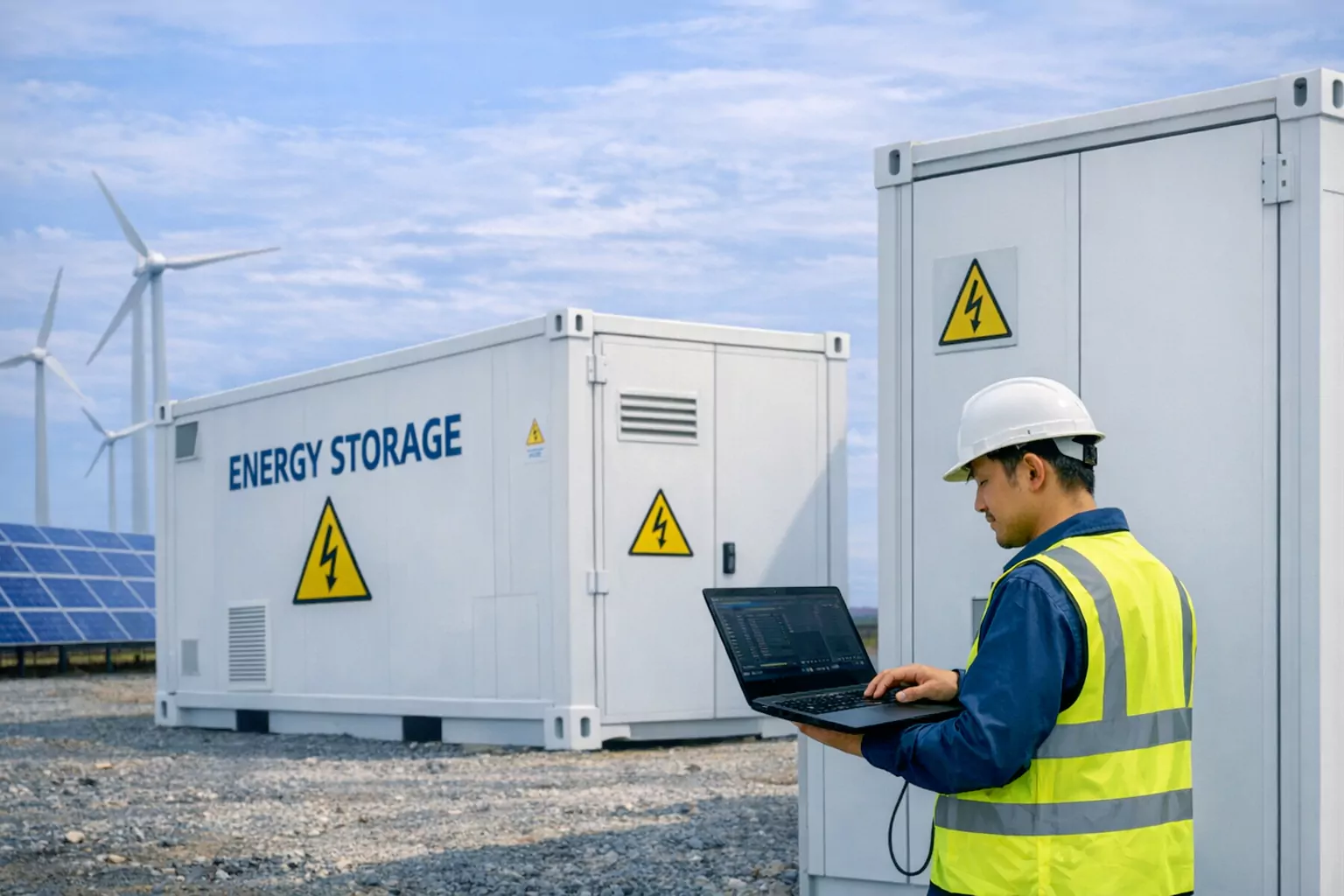
If the project is primarily concerned about maintenance flexibility and local feeder reliability, dual-circuit supply may be enough. If the site must survive real upstream outages, dual-source supply is usually the stronger option. If the loads are highly sensitive, then ATS may not be fast enough and STS becomes more appropriate.
This is also where a project’s real operating role matters. A backup-only storage site may have different continuity needs from a grid-support storage plant or a microgrid with critical loads. There is no universal answer. The correct scheme depends on the service the storage system is expected to provide.
Conclusion
Dual-circuit supply and dual-source supply are both used to improve reliability, but they do not do the same job. Dual-circuit supply gives a load two separate routes for electricity. Dual-source supply gives it two separate origins of electricity. In an energy storage system, that difference affects how the plant survives feeder faults, upstream outages, maintenance events, and auxiliary power interruptions.
ATS and STS are the practical devices that make these schemes work. ATS handles ordinary transfer needs. STS handles faster, more sensitive transitions. Together, they help storage systems stay available when reliability really matters.
For energy storage, this is not a small electrical detail. It is part of how the plant stays online, protects its battery assets, and delivers the service it was built for.
What Is Curtailment and How Can Energy Storage Solve It?
PCS vs. PV Inverter: What Actually Sets Them Apart?