Global Energy Storage Expansion: Opportunities in Emerging Markets (Middle East, Southeast Asia, Africa)
2025-09-27
Introduction: The New Frontier of Energy Storage
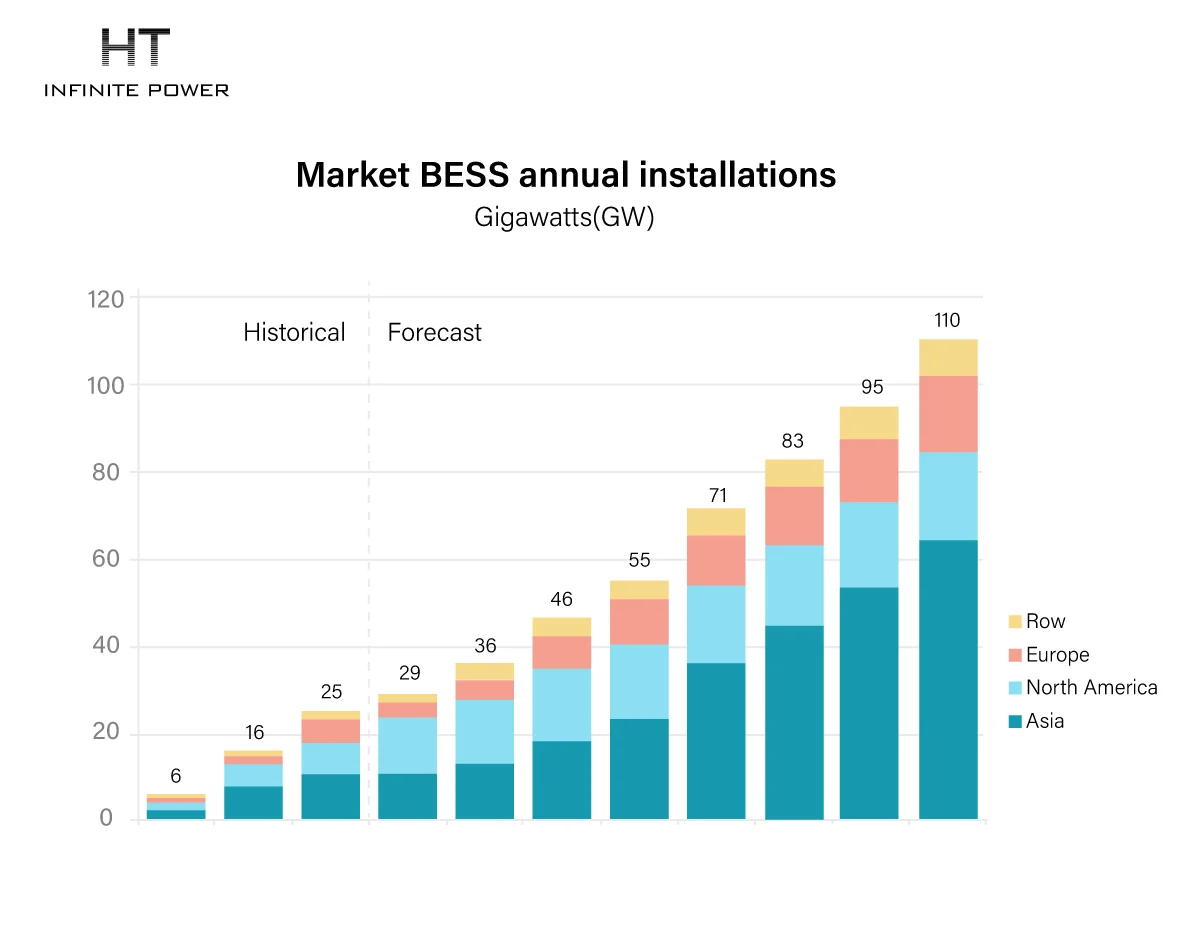
Emerging markets are no longer lagging in the global energy storage race; they are becoming leaders in some respects. Over the past year, we've seen a surge of large battery energy storage system (BESS) projects announced in the Middle East, Southeast Asia, and Africa—regions that face acute grid stress, high potential for renewables, and rising energy demand. What once was considered risky territory is now attracting serious investment. This article explores what is fueling this expansion, highlights regional success stories, examines where the biggest opportunities lie, and spotlights the risks you need to watch.
Key Drivers of Growth
Policy & Regulation Momentum
Governments in many emerging economies are stepping up. Egypt, for example, has recently signed capacity purchase agreements for standalone battery storage (1,500 MWh) in Benban and Zafarana.
These agreements are not just about adding storage; they signify government recognition that storage is essential for integrating solar/wind power, smoothing daily demand peaks, and reducing dependence on fossil fuel imports.
These agreements are not just about adding storage; they signify government recognition that storage is essential for integrating solar/wind power, smoothing daily demand peaks, and reducing dependence on fossil fuel imports.
Rising Demand and Grid Needs
In Southeast Asia, increasing industrialization, frequent blackouts, and growing electricity demand are pushing countries toward energy storage solutions. Vietnam, for instance, has revised its energy plan to significantly scale up solar and storage as coal becomes less viable economically and environmentally.Africa, too, sees rising demand: in many countries rural and urban areas alike suffer from supply gaps, and energy storage offers a way to balance intermittent renewables and stabilize grids.
Cost Reductions & Technology Innovation
Battery costs continue to drop globally. Meanwhile, modular BESS designs, hybrid storage (battery + solar + wind), and improved manufacturing are lowering installation and operational costs. Emerging market applications are benefiting from simpler financing structures and international development funding (World Bank, IFC, etc.). These developments make energy storage less of a luxury and more of a necessity.
Regional Spotlight: Middle East
Case Study: Egypt’s Utility-Scale BESS Surge
Egypt is one of the fastest moving countries in this space. The country’s development under the 4 GW Emergency Renewable Energy Program aims to reduce reliance on natural gas, and a key component is the rise of utility-scale BESS. For example, Amea Power’s first utility-scale BESS (300 MWh) is being added to the 500 MW solar field at Kom Ombo, Aswan Governorate.
The financing comes partly from the IFC, offering a model for international collaboration. By October 2026, Egypt expects to have more than 500 MWh of new battery storage in the grid.
The financing comes partly from the IFC, offering a model for international collaboration. By October 2026, Egypt expects to have more than 500 MWh of new battery storage in the grid.
Saudi Arabia’s Ambitious Renewable Plans
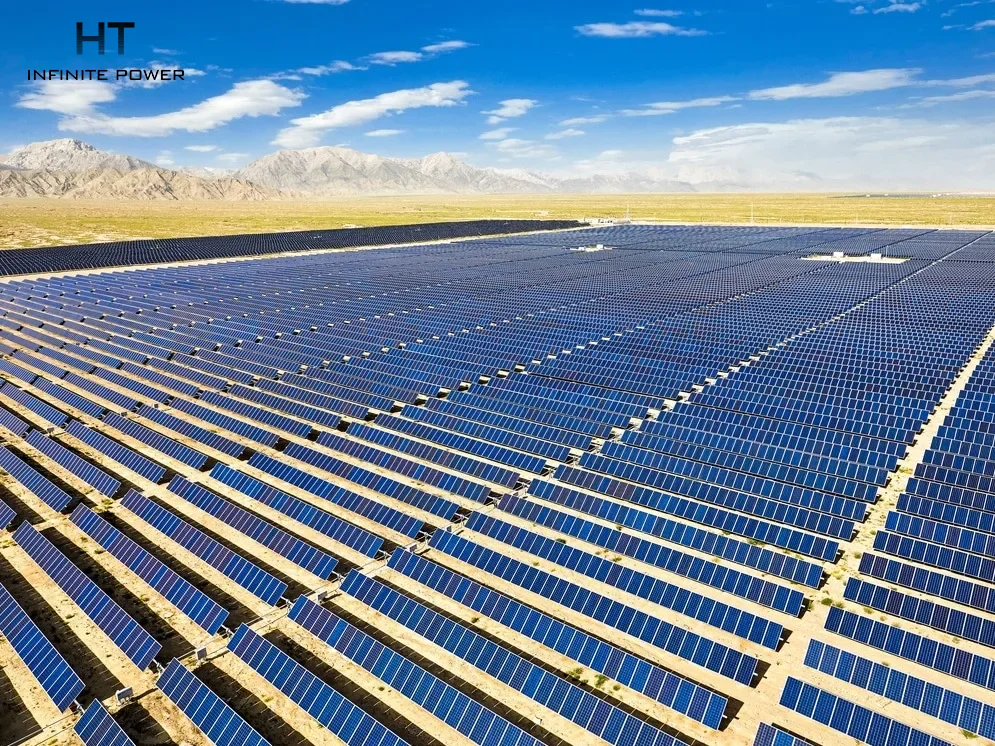
Saudi Arabia has set strong renewable energy targets for 2030 and beyond, boosting tenders and approving projects that combine solar, storage, and wind. There are reports of large scale BESS being contracted for grid balancing, demand management, and utility-scale storage to support rapid growth of solar output. While details vary, the national push means major opportunities for developers, battery manufacturers, and financing firms that can navigate regulatory and infrastructure barriers.
Regional Spotlight: Southeast Asia
Vietnam's Solar Transition & Energy Storage Integration
Vietnam is rewriting its energy roadmap. With its 16% solar target (up from much lower baselines), the country is integrating battery storage to manage solar intermittency and grid congestion. Recent policy reforms aim to simplify permitting for solar+storage projects, making the path to announced and delivered capacity faster.
Philippines & Indonesia: Islands, Grids, and Storage Needs
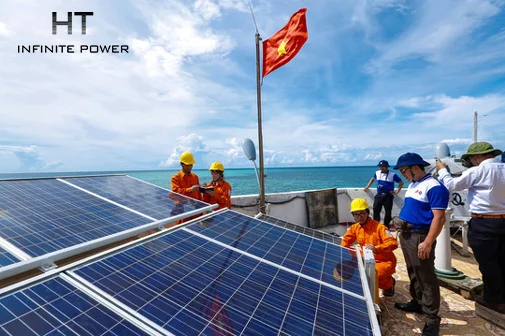
Because many islands or remote regions in these countries rely heavily on diesel generators, battery storage offers a cleaner, more sustainable alternative. Indonesia has multiple projects in development that pair solar with BESS to reduce fuel costs. The Philippines is also exploring energy storage in its grid modernization plans, including demand-response programs supported by storage. These regions offer strong opportunities for modular, flexible storage solutions.
Regional Spotlight: Africa
South Africa: Winning BESS Projects & Procurement
South Africa has become almost a bellwether for storage in Africa. Dubai’s AMEA Power was recently awarded two 300 MWh-plus BESS projects under South Africa’s procurement program, aiming to relieve grid strain under Eskom. These competitive bidding windows are encouraging better pricing and quality among providers.
Senegal, Egypt, and East Africa: Solar-plus-Storage Momentum
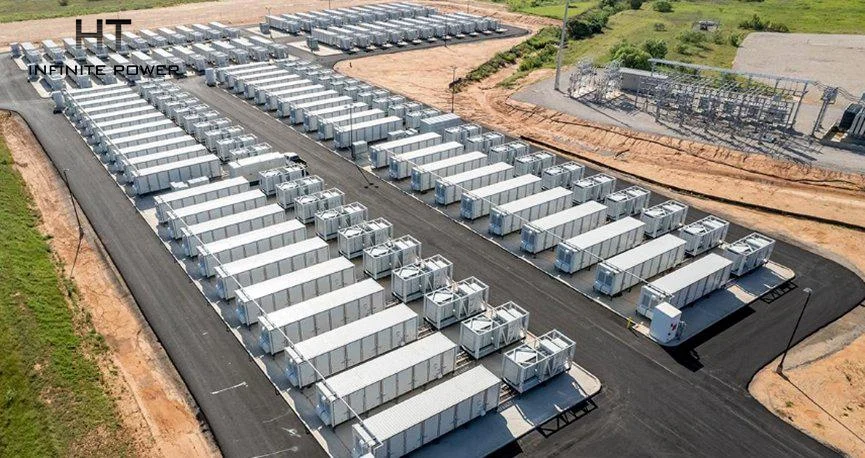
Senegal’s Niakhar project is one recent example: 30 MW solar paired with 45 MWh storage will help manage daily demand.In East Africa, countries like Kenya, Uganda, and Ethiopia are receiving both private and development finance to roll out storage for rural electrification and grid stabilization. Meanwhile, Egypt once again plays a leading role with standalone BESS developments in Benban and Zafarana.
Investment Opportunities & Challenges
Financing Models & International Partnerships
Many of these emerging market initiatives are made viable by blended finance: mix of development finance institutions (IFC, AfDB), private equity, and government incentives. For example, the 300 MWh BESS in Aswan was financed partly by IFC.
PPPs (public-private partnerships) are also rising, especially where national transmission companies are under pressure to manage demand peaks.
PPPs (public-private partnerships) are also rising, especially where national transmission companies are under pressure to manage demand peaks.
Supply Chain and Local Manufacturing
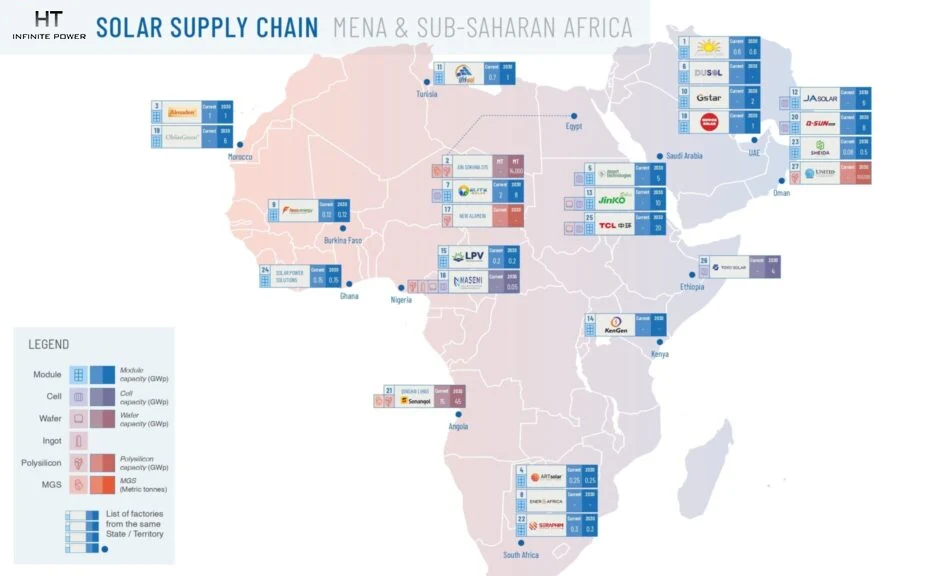
A trend to watch: localization of supply chains. Solar component manufacturing is growing in MENA – local production helps reduce imports, logistics cost, and lead times. Battery manufacturing (cells, PCS systems, thermal equipment) is still more import-dependent in many emerging markets, but there is increasing interest from governments to incentivize domestic plants.
Risks & Barriers: What Could Slow the Growth
Technological Hurdles and Battery Lifecycle
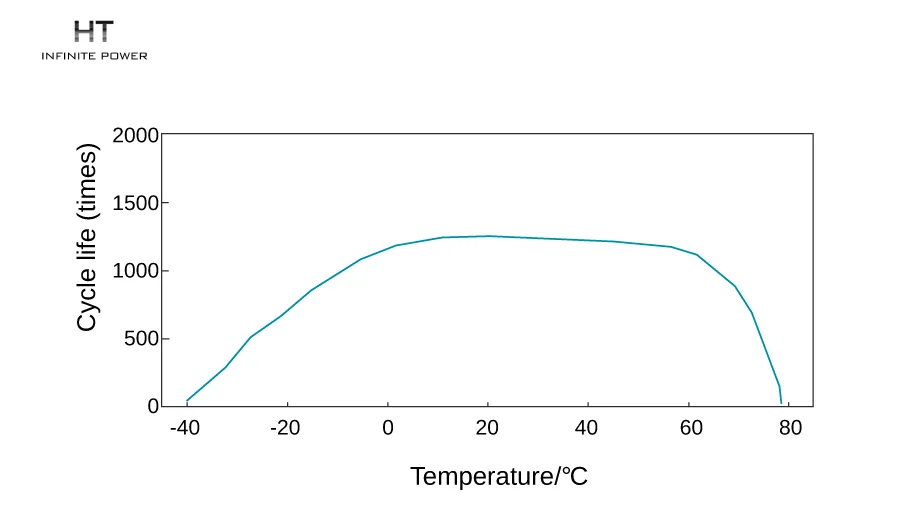
Battery degradation under harsh climates (heat, humidity) can reduce lifetime. Systems must be designed for high thermal resilience. Also, component reliability (inverters, BMS) under intermittent usage can be a challenge.
Regulatory & Permitting Delays
Even when investment is announced, delays in permitting, land acquisition, grid connection, and PPAs (power purchase agreements) can hold back project delivery. In Southeast Asia, reforms are underway, but implementation varies greatly between regions.
Financing and Currency Risks
Emerging markets often deal with currency volatility, inflation, and uncertain subsidy regimes, which can affect returns. Ensuring strong contracts, hedging currency risk, and selecting stable financing partners are essential.
Conclusion: Seizing the Moment
The energy storage wave in the Middle East, Southeast Asia, and Africa is real—and accelerating. With policies aligning, costs falling, and demand rising, emerging markets are offering some of the best untapped opportunities globally. Projects in Egypt, South Africa, Vietnam, and Senegal illustrate that large-scale BESS can be done, financed, and scaled. But success depends on navigating regulatory complexities, ensuring technical resilience (against climate and usage variability), and securing stable finance. For developers, manufacturers, and investors who get the formula right, this is a fertile moment.
Frequently Asked Questions
1. What makes emerging markets attractive for energy storage investments?
Emerging markets often face grid instability, peak demand pressures, and renewable energy opportunities. Combined with competitive financing and favorable policy reforms, they offer returns not always available in saturated developed markets.
2. What capacity sizes are emerging markets focusing on?
Various scales—from tens of MWh for distributed storage or islands, up to hundreds of MWh (e.g. 300 MWh–1 GWh) for utility-scale projects (as seen in Egypt and South Africa).
3. How is financing structured for large energy storage projects in these regions?
Often via blended finance: international development banks, PPPs, and private sector investment. Guarantees or sovereign support can help reduce risk.
4. What are the technical risks developers need to mitigate?
Climatic challenges (heat, dust, humidity), battery degradation, grid interconnection issues, and reliability of components like BMS and inverters.
5. How can local manufacturing boost opportunities in these regions?
Local manufacturing reduces costs for shipping and import duties, shortens lead times, and builds local jobs and skills. It also helps with maintaining systems through local supply chains.
The Rise of Long-Duration Energy Storage: Why 4-Hour+ Systems Are Reshaping the Grid
The differences between PQ, VF, droop, and VSG control strategies of energy storage PCS