2025 Global Energy Storage PCS Development Trends and Outlook
2025-04-29

In 2024, the energy storage converter (PCS) industry showed a trend of rapid development. The market size continues to expand and is expected to maintain rapid growth in the next few years, thanks to the policy support of governments for clean energy, the adjustment of power system structure and the continuous advancement of energy storage technology. As a key component of energy storage systems, energy storage converters have a wide range of applications, covering multiple scenarios such as new energy power stations and microgrids, showing strong market potential.
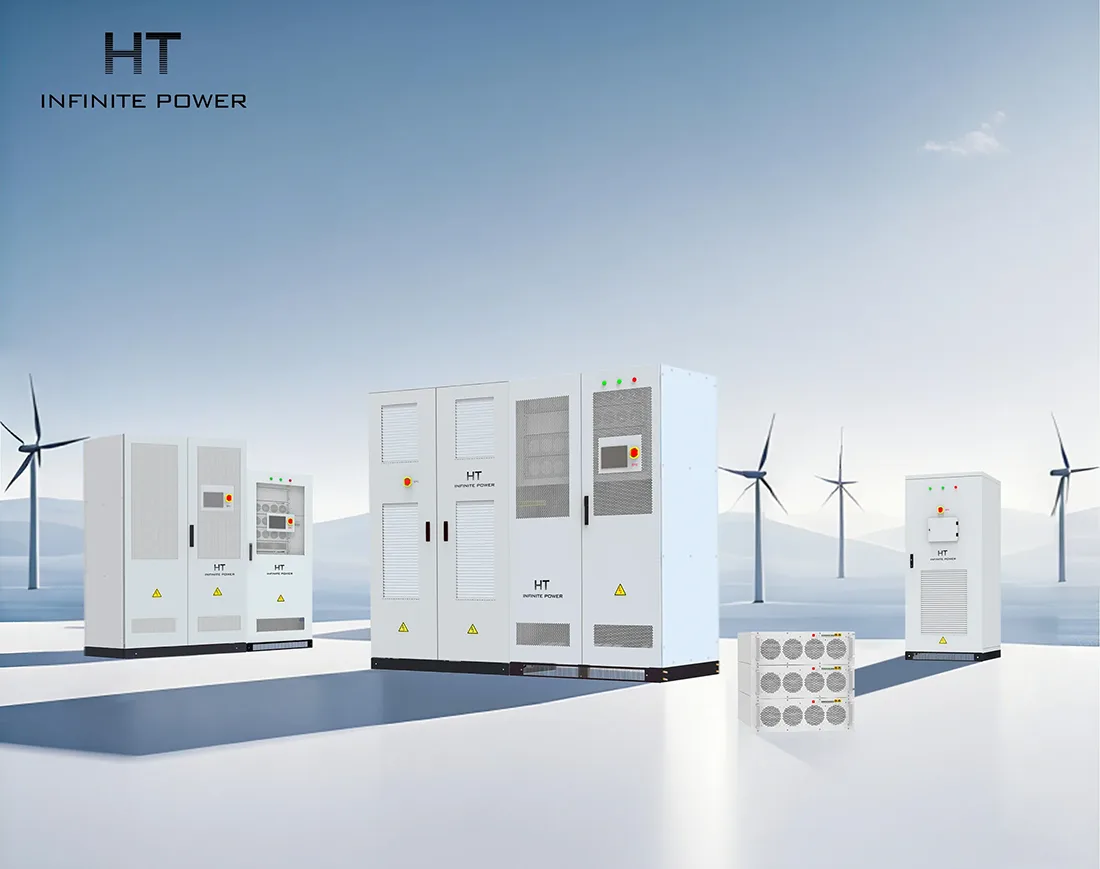
The future development of energy storage PCS will show the development trend of accelerated iteration of high-power PCS, continuous improvement of string PCS market penetration, emergence of liquid-cooled PCS and continuous improvement of grid-type energy storage penetration.
Trend 1: High-power PCS is accelerating its iteration
In 2024, the second-generation energy storage cells represented by 314Ah cells will accelerate the replacement of 280Ah cells. The second-generation 5MWh energy storage battery compartment equipped with 314Ah is accelerating to become the mainstream of the market. According to statistics, the global penetration rate of 314Ah energy storage cells is expected to exceed 40% in 2024.
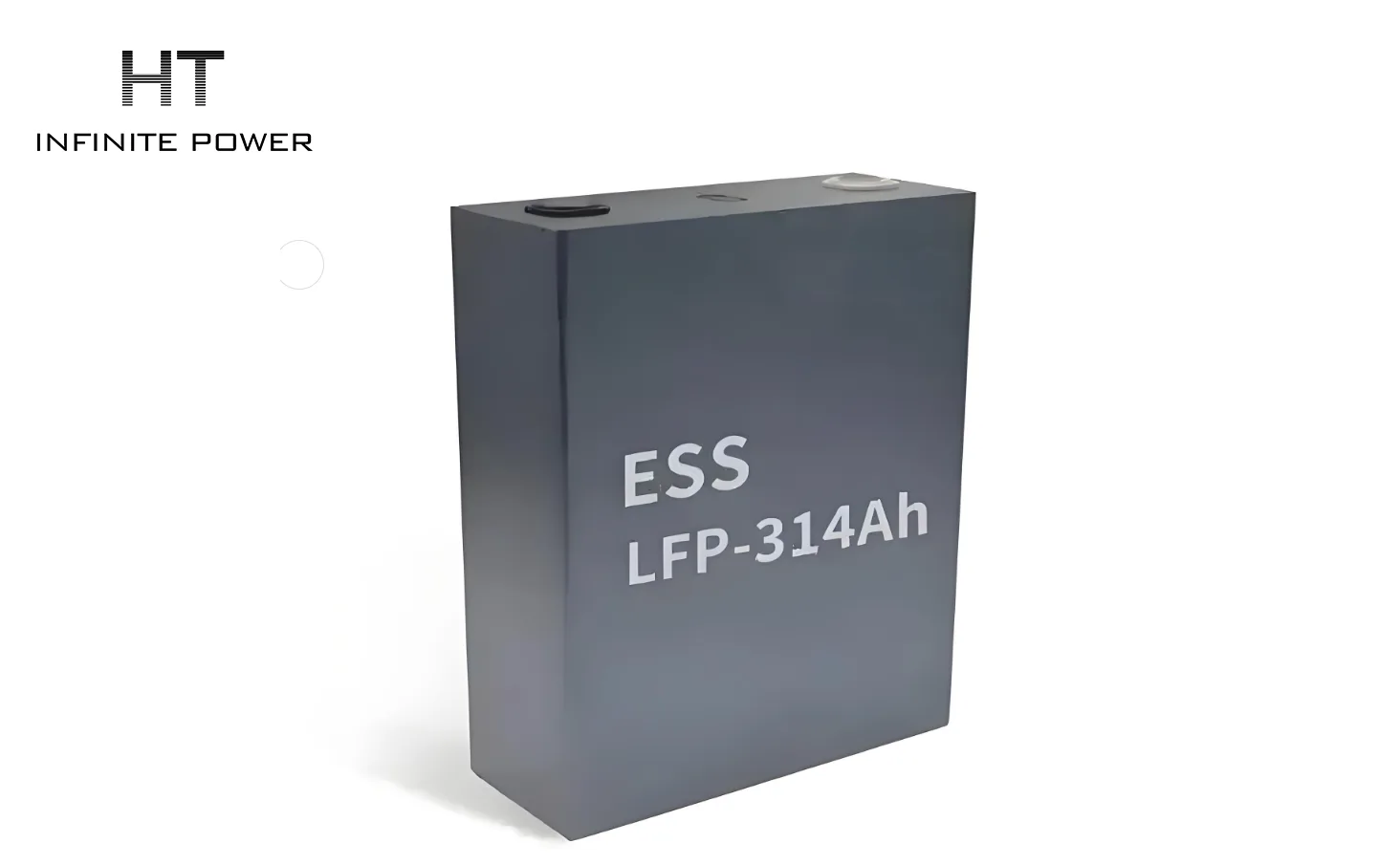
In order to match the power demand of the 5MWh battery compartment, the rated power of PCS is also increased from 1.725MW to 2.5MW. The increase in PCS power can further improve the charging and discharging efficiency, increase the system power density, and make the unit smaller. For large energy storage power stations, it can also reduce the floor space. At present, large energy storage PCS is mainly centralized, with the advantages of simple structure, low initial investment cost, and low subsequent installation and operation and maintenance costs.
Centralized PCS: Single vs. Dual-Branch Architecture
For 2.5MW centralized PCS, there are currently two main solutions in the industry: one is a single-branch 2.5MW PCS stand-alone unit, and the other is two single-branch 1.25MW PCS stand-alone units in parallel. At present, most PCS manufacturers on the market, such as Kehua, NARI Relay Protection, Huichuan, and Suoying, mainly choose 2.5MW single-machine PCS solutions, which have relatively simple control, save some structures and electrical components, and have a slight advantage in material costs; but it also brings problems such as large size and weight, difficulty in on-site transportation and operation and maintenance, and difficulty in high-power heat dissipation. At the same time, the number of parallel battery clusters on the corresponding DC side is relatively large, reaching 12 clusters (2-hour system) and 24 clusters (4-hour system) respectively, which brings serious risks such as poor parallel battery consistency, circulation and short-board effect.
Different from the single-machine 2.5MW PCS solution, Sineng Electric chose to connect two 1.25MW modular PCS in parallel to form a 2.5MW dual-branch unit. The parallel connection of two 1.25MW PCSs needs to overcome the technical difficulties of synchronization, power distribution, parallel circulation, etc. brought by the parallel connection of the AC and DC sides, and there is also a certain pressure on material costs; however, the 1.25MW PCS has a smaller volume and weight, lower on-site transportation and operation and maintenance costs, lower heat dissipation control difficulty, and better DC side matching. It can reduce the number of battery clusters in parallel by 50%, effectively increase the charge and discharge capacity by 0.75%, and adapt to the long-term energy storage needs of 4 hours and above.
In response to the power matching requirements of the future 6MWh+ large-capacity battery compartment, Sineng Electric can also flexibly match 4 new-generation 1.725MW modular PCS in parallel to form a 6.9MW centralized integrated machine, which perfectly matches the next generation of large-capacity battery cells.
Trend 2: The market penetration rate of string PCS continues to increase Against
The backdrop of price wars and frequent safety accidents in 2024, string energy storage has once again become the "darling" of the market. At major energy storage exhibitions in 2024, the "one cluster, one management" brought by string energy storage has become the main technical highlight of many new energy storage products and a "frequent guest" in product promotion. The demand for string energy storage in the bidding market is also increasing rapidly. According to statistics, the bidding for string energy storage in 2024 has reached the GWh scale.
AC/DC Integrated Battery Cabins: Opportunities and Risks
Compared with traditional centralized energy storage systems, the string energy storage solution connects each energy storage battery cluster to an energy storage inverter and adopts one-to-one battery cluster management, which can overcome the parallel circulation and short board effects to improve the system's available capacity, system efficiency and system life. At the same time, its overall weight and size are small, which is convenient for on-site transportation and operation and maintenance; it adopts single-cluster disconnection and multi-layer segment protection, and dynamic power distribution. The failure of a single PCS does not affect the overall output, which is particularly suitable for overseas markets and industrial and commercial energy storage that require rapid fault elimination and convenient operation and maintenance.

In addition, in addition to the conventional PCS external solution, the industry's leading integrated manufacturers have also launched PCS built-in "AC/DC integrated battery cabin" systems, which partially replace the functions of the battery cluster high-voltage box and achieve deep coupling between PCS and battery clusters in terms of electrical topology, heat dissipation management, structure, etc. On the basis of the advantages of the string system, the power density of the battery system is further improved, and joint debugging can be completed in the factory, greatly reducing the workload and cost of on-site debugging. Of course, for most battery manufacturers or system integrators who do not have PCS R&D capabilities, this AC/DC integrated solution also has outstanding problems such as high R&D difficulty and cost, reduced versatility in procurement and selection, reduced PCS maintainability, unclear safety responsibility boundaries, and increased arcing or short-circuit safety risks. Comprehensive consideration is required according to different application environments and scenarios.
Trend 3, liquid-cooled PCS is emerging.
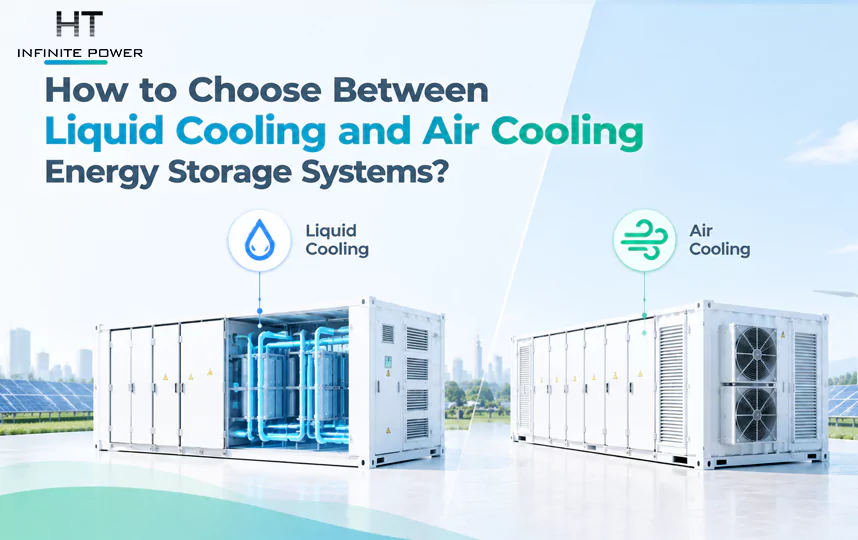
As liquid cooling technology gradually becomes mainstream in the battery field, liquid cooling technology has also begun to emerge in the PCS field. Leading PCS manufacturers have launched new liquid-cooled PCS products, such as Sineng Electric, Kehua, Sungrow Power Supply, Sowin Electric, Huichuan, etc.
Compared with traditional air cooling, liquid cooling has higher power density, higher heat dissipation redundancy, and better protection level. It is particularly suitable for centralized PCS above 2MW and string PCS above 250kW. It is more adaptable to high temperature and high humidity, high altitude, high salt fog, blizzard and other environments. Liquid cooling has higher power density, better protection level, and stronger adaptability to high temperature and high humidity, salt fog, blizzard and other environments.
For the "full liquid-cooled AC battery compartment" that uses liquid-cooled PACK + liquid-cooled string PCS, the system integration is further improved, with three temperature control modes: rapid cooling, micro-cooling, and heating. It can be intelligently switched according to the battery cell, ambient temperature, and operating conditions, which greatly improves the efficiency, performance, safety, and intelligence of the system. Of course, for centralized PCS of 2MW and below and string PCS of 250kW and below, the existing air-cooling solution can fully meet the heat dissipation requirements. It has a simple structure, low cost, lower operating power consumption, convenient operation and maintenance, and no safety risks of leakage and condensation. It will still occupy the vast majority of the market share in the future.
Trend 4: The penetration rate of grid-type energy storage continues to increase.
By the end of 2024, the installed capacity of new energy power generation, mainly wind power and solar power generation, will reach 1.45 billion kilowatts, exceeding the installed capacity of thermal power for the first time. The high proportion of new energy access and high power electronic equipment access have led to a decrease in the system inertia and lack of damping of traditional large power grids, and a weakening of anti-disturbance capabilities, which has brought huge challenges to the frequency stability, voltage stability, and power angle stability of the power system.
The grid-type energy storage converter operates with the characteristics of a synchronous voltage source, builds and maintains the output voltage and frequency, actively provides grid support, and helps the system to dynamically stabilize and quickly recover and rebuild.
Three Core Functional Values of Grid-Type PCS
The core functional value of grid-type energy storage can be divided into three categories and 10 items:
1) Dynamic voltage regulation, fast frequency regulation, inertia response, and damping control under small disturbance conditions;
2) SCR active support, short-term overload (3 times 10s), high/low voltage ride-through, and phase angle jump tolerance under large disturbance conditions;
3) Permanent fault isolation and reconstruction: grid-connected and off-grid switching and black start.
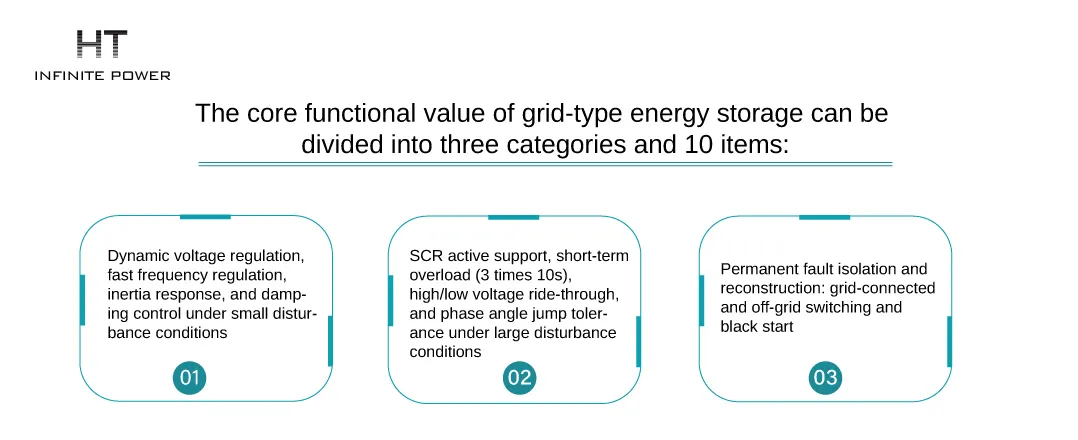
Under small disturbance conditions, grid-type energy storage can perform fast frequency modulation and dynamic voltage regulation to achieve dynamic balance between active and reactive power; it can perform inertia response and damping control to make up for the lack of inertia and damping of traditional grid-type energy storage, prevent rapid power flicker and fluctuation, and suppress wide-band oscillation of the system.
Under large disturbance conditions, energy storage is required to operate stably under weak power grids and to quickly output power to support the strength of the power grid at the moment of new energy failure. This requires energy storage to have a short-term overload capacity of 3I/10s, continuous high and low voltage fault crossing, and be able to withstand phase angle jumps of up to 60°.
When the external network fault cannot be restored in a short time, energy storage can seamlessly switch from grid-connected operation to off-grid operation, providing stable voltage and frequency for the internal network. When the three-phase conditions are met, energy storage can switch from off-grid to grid-connected operation.
Conclusion: PCS Innovation Will Define the Future of Energy Storage
When the power grid is out of power on a large scale, energy storage can be used as a zero-voltage black start power supply to support the reconstruction of the power grid.
From the perspective of product standards, there is currently a lack of relevant national standards for grid-connected energy storage inverters, which restricts the selection and design, testing and certification, grid-connected review and practical application of grid-connected energy storage.
6 Key Features of Energy Storage PCS You Should Know
Energy storage system safety certification: UL9540 and UL9540A standards