New trends in energy storage system integration in 2025: intelligent management solutions from battery cells to containers
2025-04-22
According to EESA database statistics, global energy storage installed capacity has continued to grow rapidly since 2017, with an average growth rate of 93% in the past five years (2019-2023). In 2024, the global new energy storage market will have approximately 188.5GWh of new installed capacity, an increase of 80% year-on-year. Among them, China's new energy storage installed capacity is 107.1GWh, accounting for approximately 57% of the world's new energy storage installed capacity, and is an important force in promoting the development of the global energy storage market.
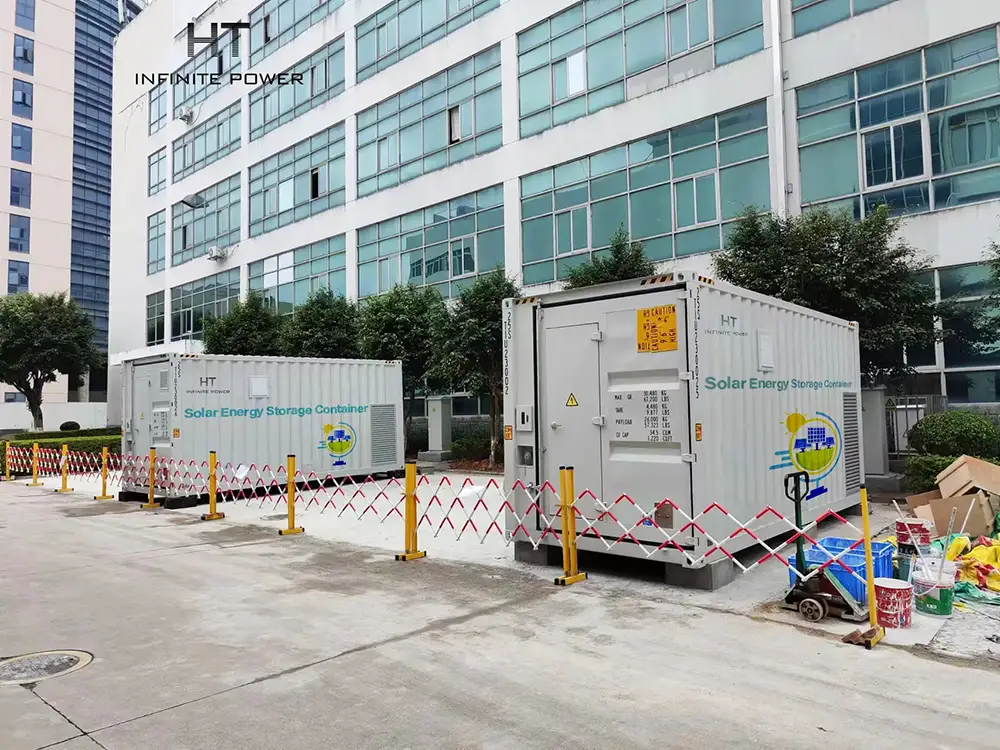
Dominant Application: Source-Grid Energy Storage
From the perspective of application scenarios, China's new installed capacity of source-grid energy storage will be 38.8GW/98.9GWh in 2024, accounting for 92.3% (installed energy caliber) of the new energy storage installed structure, and it is in a dominant position.
Evolution of Grid-Level Energy Storage Systems
Therefore, the evolution of energy storage technology in large storage scenarios has become a key variable affecting the development of the industry - the grid-level energy storage system is evolving from a simple energy storage unit to a smart grid core node with active support, inertia response and other functions. This positioning upgrade puts higher requirements on system integration technology: while solving core problems such as energy storage cell capacity consistency and power consistency of power electronic equipment, it is also necessary to achieve breakthroughs in complex technical indicators such as millisecond-level dynamic response and multi-dimensional safety protection.
Mainstream Integration Technologies and Architectures

At present, most energy storage projects on the source-grid side use containerized energy storage, and fewer projects use cabinet-type energy storage. The current mainstream integration technologies mainly include centralized, string, AC/DC integration, high-voltage cascade, etc.
Centralized vs. String Energy Storage
From the perspective of system architecture and management methods, the centralized solution connects multiple clusters of batteries in parallel to the PCS to achieve high-power, high-efficiency energy storage and output. The centralized energy storage system has outstanding large-scale dispatching capabilities and cost-effectiveness, and is mostly used in low-voltage, high-power scenarios. Each energy storage unit in the string energy storage system has independent control and management functions, and its decentralized architecture gives the string energy storage a high degree of scalability, with outstanding advantages in flexibility and safety.
In actual project applications, string energy storage systems can be precisely configured according to different energy generation and consumption modes, and are suitable for a variety of application scenarios such as zero-carbon parks, new energy distribution storage, and substation energy storage. However, they currently still face high investment and operation and maintenance costs. The AC/DC integrated solution integrates the DC system with battery cells as the core and the AC system with PCS as the core in structure and application, achieving a better and simpler structure. The high-voltage cascade energy storage system adopts a cascade topology structure to directly output high-voltage electricity without going through a transformer, greatly improving system efficiency.
With the development of technology and the expansion of market demand, the following development trends will emerge in the future:
Trend 1 Technological break through: double leap in integrated efficiency and safety
(1). Large-capacity battery cells reconstruct system architecture
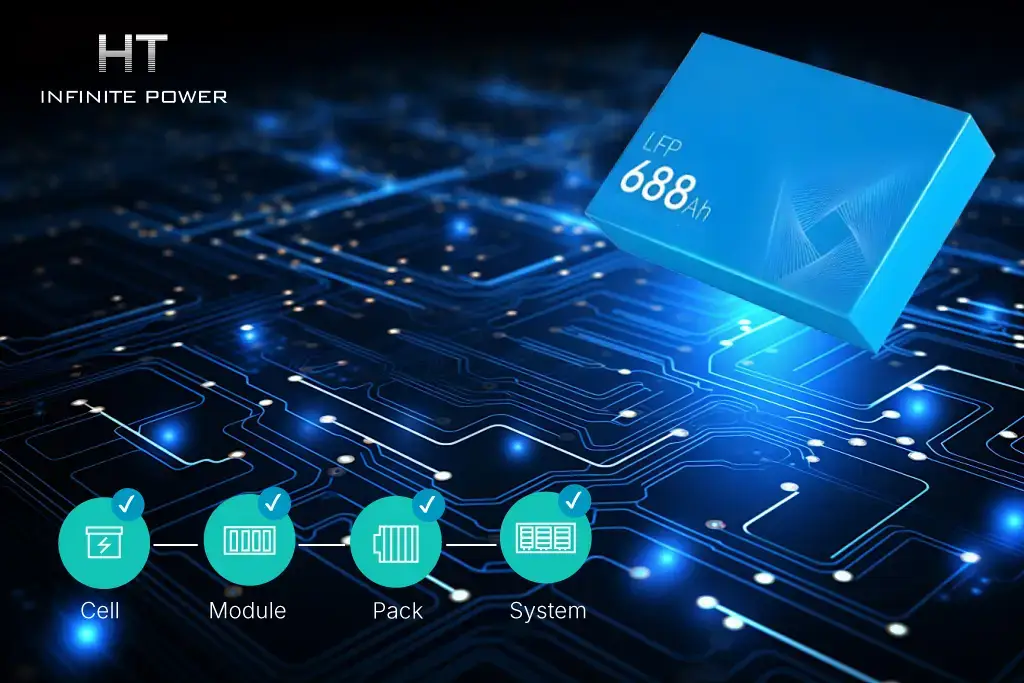
In 2025, the capacity of energy storage cells will enter the "600Ah+" era. The ultra-large batteries (such as Hithium 1175Ah batteries) launched by companies such as CATL and Hithium Energy Storage will push the capacity of energy storage systems to exceed 8MWh. The capacity of a single cabin is increased to more than 6MWh, the integrated efficiency is increased by 40% compared with traditional solutions, and the system cost is reduced to less than 0.6 yuan/Wh.
With the improvement of energy density, the energy storage system can effectively reduce the floor space and reduce the comprehensive investment cost of the project while increasing the single-cell capacity. Therefore, the improvement of the energy density of the containerized energy storage system will be one of the core directions.
Compared with the traditional 3.72MWh system, the 20-foot 5MWh containerized energy storage system has shown extensive application potential in various application scenarios such as the power supply side, the grid side and the user side. Since the second half of 2024, its share in the bidding market and project applications has continued to rise, and the bidding capacity has exceeded 11GWh. With the gradual maturity and mass production of large-capacity battery cell technology, the energy density of the 20-foot energy storage system will continue to increase in the future, and the single-cell capacity will develop from 5MWh to 6MWh and higher.
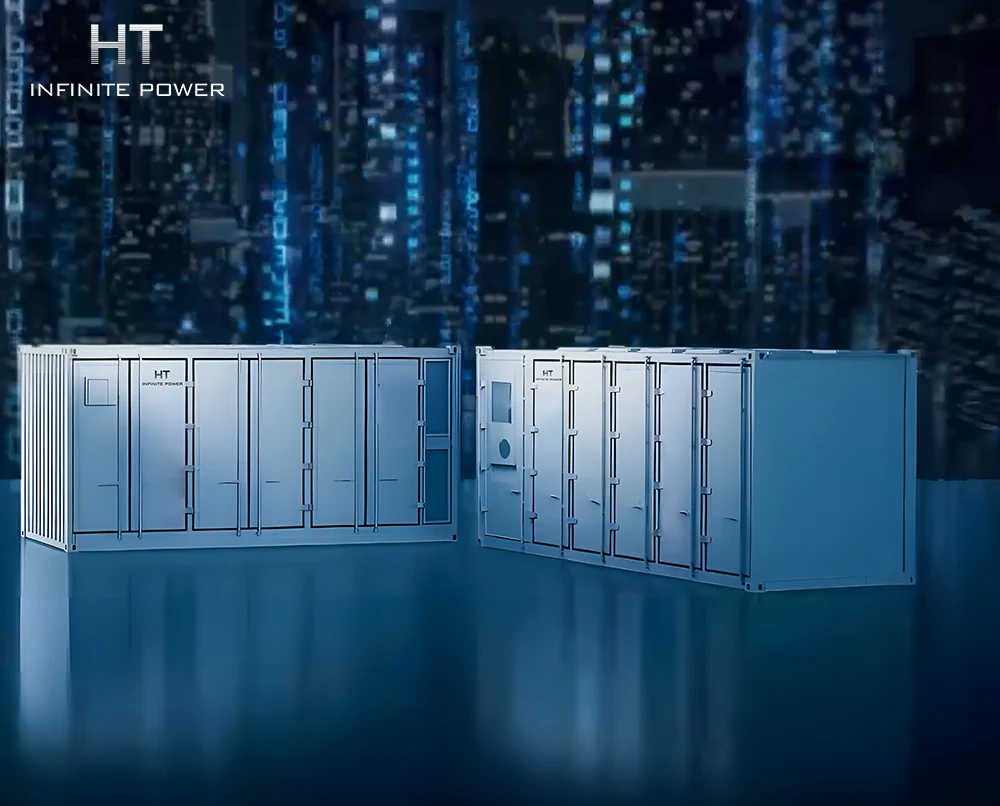
Liquid cooling technology becomes standard, thermal runaway management is intelligent
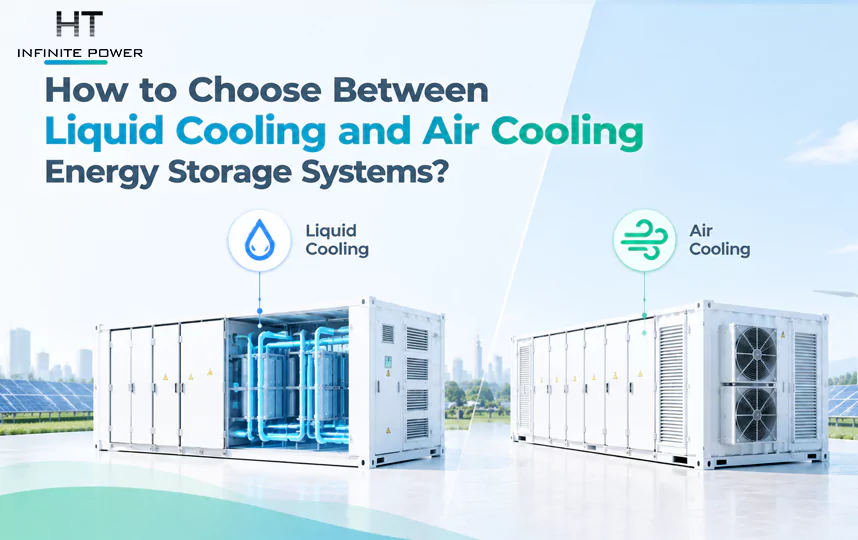
The penetration rate of liquid-cooled energy storage exceeds 60%, and the battery temperature difference is controlled within ±2℃, which reduces the fire risk by 70% compared with the air-cooled system. The AI early warning platform developed by Huawei, Sungrow and other companies can predict thermal runaway 30 minutes in advance with an accuracy rate of 92%, reducing operation and maintenance costs by 40%.
●Typical cases:
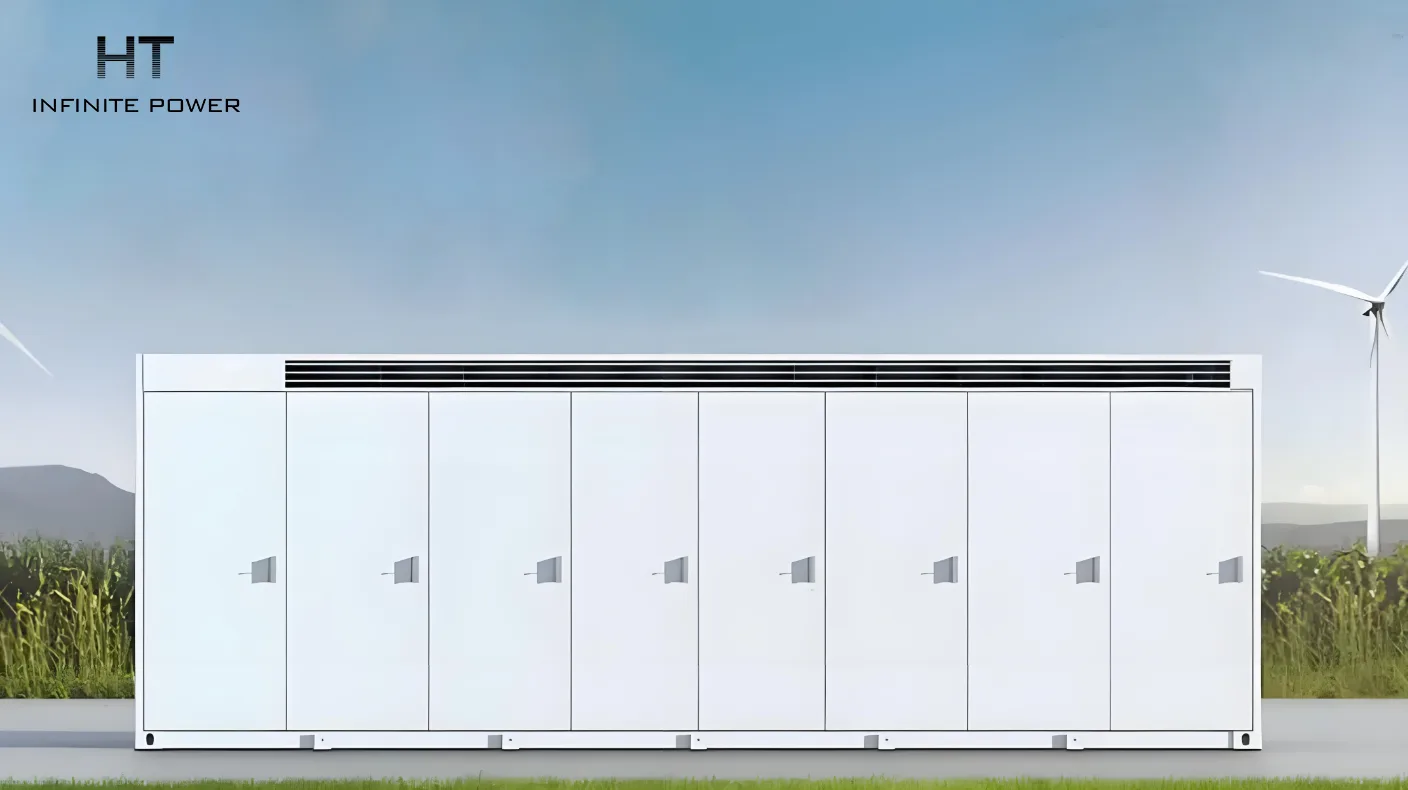
Tesla Megapack 2.0 adopts a full liquid cooling design, which shortens the installation cycle by 50% and adapts to the flexible expansion needs of industrial parks.
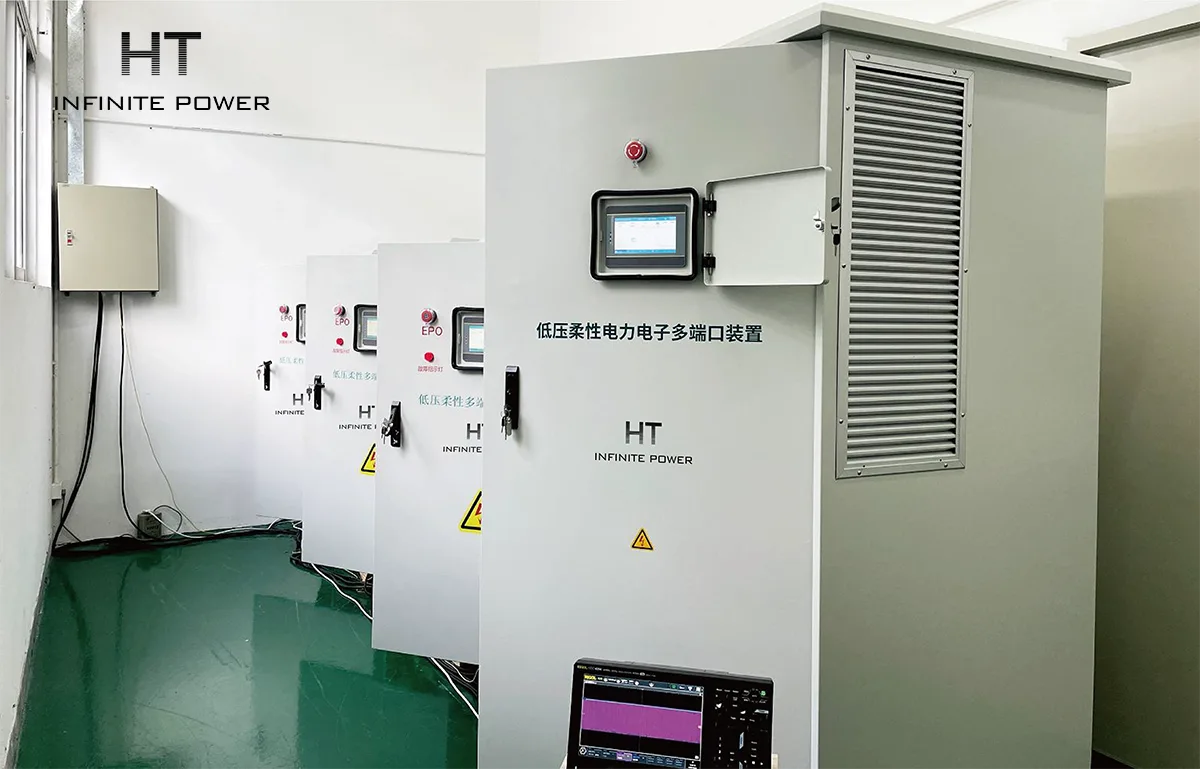
However, the improvement of the overall solution of the energy storage system not only depends on the breakthrough of battery cell technology, but also requires the coordinated development of supporting products and the research and development and adaptation of new technologies. Each link needs time to gradually improve and adapt. On the one hand, energy storage inverters, battery management systems and peripheral supporting electrical products also need to be developed synchronously with battery cell technology.
Trend 2: High Integration with AC/DC Solutions
High integration of energy storage systems has become a major trend,
and AC/DC integrated solutions have become the mainstream. Compared with the design mode of traditional energy storage systems that separate the battery DC compartment from the PCS AC compartment and require on-site grid connection and debugging, the AC/DC integrated solution achieves systematic optimization through deep coupling of battery units and PCS equipment at the structural and application levels.

First, the AC/DC integrated energy storage system uses short-distance standardized cables to connect batteries and PCS, which can greatly reduce the risk of arcing and significantly improve its safety; secondly, the highly integrated design simplifies the on-site installation process, improves deployment efficiency, enables equipment to be quickly connected to the grid, significantly shortens the construction period, and better adapts to the current market environment; finally, through the integrated application of more technologies, such as one cluster one management, to solve the short board effect of battery inconsistency, improve energy conversion efficiency, reduce failure loss rate, and significantly improve system performance.
Trend 3: Grid-Type Energy Storage to Meet Stability Needs
Trend three: The penetration rate of grid-type energy storage is expected to increase significantly. As the proportion of new energy power generation continues to grow, the power system has higher requirements for stability. Grid-type energy storage has significant advantages in dealing with the challenges of power system stability brought about by the high penetration of new energy, and can provide key inertia and stability support for the power grid. Therefore, its market demand will become more and more vigorous in the future.
However, grid-type energy storage technology has high costs and technical barriers: First, the core challenge of grid-type energy storage is the performance of energy storage converters (PCS). It is necessary to build a voltage source that supports the stable operation of the power grid and have short-term overload capacity. In order to have the short-term expansion capability of grid-type energy storage, PCS needs to have a large capacity redundancy, which directly increases the system cost. Secondly, due to the differentiated grid-type requirements of different power grids or regions, control algorithms and simulation modeling need to be continuously innovated to adapt to the diverse power grid environment, so continuous innovation is the second challenge. Finally, when multiple voltage source devices are running, how to effectively coordinate other devices and solve possible problems such as circulating current and power grabbing is also one of the technical challenges faced by the grid-type solution.
Trend 4: Rise of High-Voltage Cascade Technology

High-voltage cascade technology is accelerating its penetration. The high-voltage cascade energy storage system adopts a cascade topology structure, which can directly output high-voltage electricity without a transformer. The high-voltage cascade energy storage system consists of a power storage cabin, a distribution cabin and a control cabin, and is suitable for application scenarios such as new energy power stations, thermal storage frequency regulation, independent energy storage, large-scale user-side energy storage, and grid-type energy storage.
The current scale of energy storage power stations is moving from hundreds of MWh to the GWh era, and the high-voltage cascade energy storage system has significant advantages in large-scale energy storage power stations due to its characteristics of direct access to the power grid without a transformer, such as high comprehensive efficiency, small footprint, and high investment returns. In addition, high-voltage cascade technology also has more advantages when building a network, which is mainly reflected in three aspects:
● First
Its single system power is significantly higher than that of low-voltage energy storage solutions (usually more than ten times), which can reduce the number of parallel devices in large-scale deployment, thereby reducing the complexity of coordinated control;
● Second
The high-voltage cascade output filter is a reactor. Compared with the LC or LCL filter structure required for low-voltage energy storage, its control strategy is easier to implement and can effectively avoid the risk of resonance;
● Third
The high-voltage cascade directly outputs the grid without the need to configure a transformer, avoiding the problem of differences in the grid construction performance between the high-voltage side and the low-voltage side of the transformer.
Energy storage system safety certification: UL9540 and UL9540A standards
Over-installed photovoltaic power? How can energy storage help you "digest" excess green electricity