IP Ratings, Cooling Methods, and Outdoor Cabinet Selection Guide for Battery Energy Storage Systems
2025-09-10
Introduction
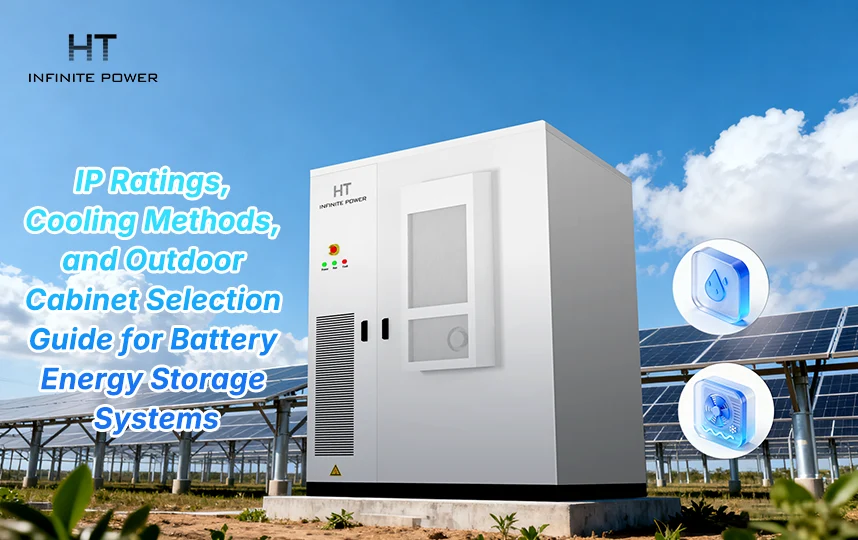
In today’s energy storage market, the outdoor battery cabinet has become a decisive factor in whether a project thrives or struggles. While attention often falls on cell chemistry and inverter technology, the enclosure is the silent guardian of performance and safety. A poorly chosen cabinet can allow moisture to corrode busbars, heat to degrade batteries unevenly, or dust to slowly disrupt sensors. The result? Shortened lifespan, unexpected service calls, and higher total cost of ownership. This guide explores IP ratings, cooling strategies, materials, fire protection, and long-term cost considerations to help you avoid common pitfalls and choose with confidence.
Why Outdoor Cabinets Are More Than Just Boxes
The role of a cabinet extends beyond weather protection. It directly influences system reliability, safety, and serviceability. For example, in desert projects, insufficient sealing allows sand intrusion that wears down connectors. Coastal wind farms face salt spray that corrodes steel enclosures within months if coatings are inadequate. In one Southeast Asian solar-plus-storage installation, the operator reported BMS failures within two years—all traced back to under-specified IP ratings and poor cabinet sealing. Such cases underline that ignoring enclosure quality risks the entire investment.
IP Ratings: The First Line of Defense
What the Numbers Mean
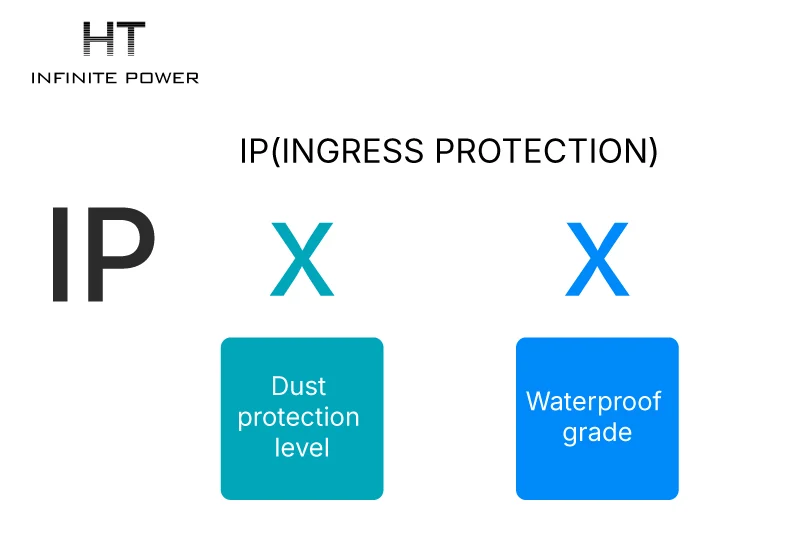
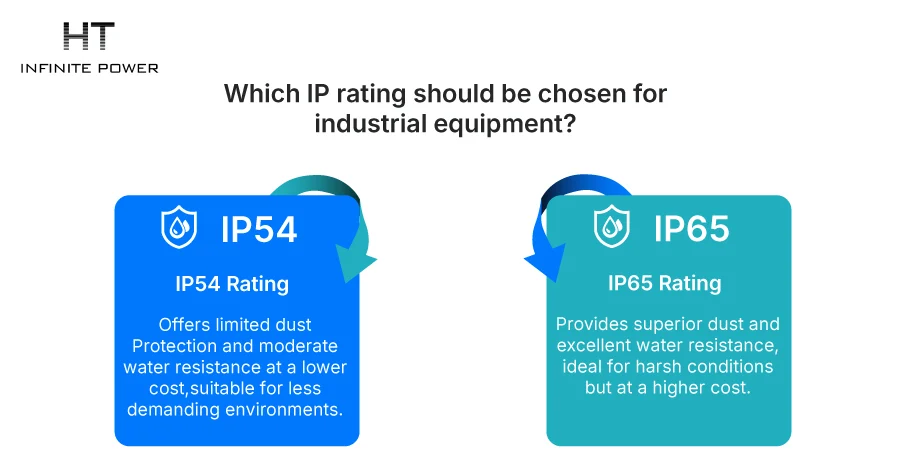
An IP rating indicates resistance to dust and water. IP54 suggests partial dust protection and resistance to splashing water. IP65 provides total dust-tight sealing and protection from water jets. IP66 and above offer even higher resilience, critical for exposed outdoor deployments.
Choosing the Right IP for the Environment
- Mild climates with shelter: IP54 may suffice.
- Open-air installations: IP65 prevents dust buildup and rain intrusion.
- Coastal or high-rainfall zones: IP66 or higher is essential to stop salt mist and storm-driven water.
- Case in point: A 10 MWh storage site in Vietnam initially used IP54 cabinets to cut costs. Within 18 months, humidity corroded connections, forcing a $500,000 replacement program. The lesson: higher IP pays for itself in avoided failures.
Cooling Methods: Keeping Cells Within Safe Limits
The Role of Thermal Management
Battery performance and safety hinge on stable operating temperatures. Even a 10°C variance between cells can accelerate imbalance and degrade usable capacity.
Comparing Cooling Approaches
- Passive ventilation: Low-cost but unreliable in regions with large temperature swings.
- Fan-assisted cooling: Better air distribution, though fan maintenance adds overhead.
- Liquid cooling: Precise, uniform, and increasingly adopted for high-density systems.
- Industry data: A study from DNV found that switching from fan cooling to liquid cooling in a 1 MWh outdoor battery cabinet improved projected cycle life by 25–30%, despite higher auxiliary power consumption.

Material Selection and Structural Design
Material Matters
- Powder-coated steel: Affordable, but prone to corrosion in humid or coastal climates.
- Stainless steel and aluminum: More costly, yet resistant to rust and better for long-term durability.
Structural Details That Count
Good design includes sealed cable entries, anti-condensation coatings, and modular access points. Fire-retardant insulation panels, increasingly common, help contain thermal incidents within one module instead of allowing propagation across the rack. These design choices, though less visible than IP codes, dramatically impact operational reliability.
Fire Safety and Standards Compliance
Beyond Basic Weatherproofing
An outdoor battery cabinet must also comply with safety frameworks like UL 9540A for fire testing and IEC 62933 for energy storage safety. Compliance ensures the system has been tested against real-world failure modes such as thermal runaway.

Why Standards Protect Your Investment
A North American integrator once faced project delays when their low-cost cabinets failed UL testing mid-project. The retrofitting costs exceeded the initial savings of choosing a cheaper supplier. Compliance is not just a box-ticking exercise—it protects timelines, insurance coverage, and reputation.
Balancing Cost and Long-Term Value
Looking at Total Cost of Ownership (TCO)
Upfront cabinet prices can be misleading. A lower-cost unit with poor sealing or weak cooling may seem attractive, but hidden costs mount quickly—unscheduled repairs, shorter battery lifespan, and downtime penalties.
Example calculation:
- Low-cost cabinet (IP54, fan cooling): $20,000 upfront, but $60,000+ in replacements and service over 10 years.
- High-quality cabinet (IP65, liquid cooling, stainless steel): $28,000 upfront, but less than $15,000 in added costs over the same period.
- The math is clear: focusing solely on purchase price is a trap.
Conclusion
The outdoor battery cabinet is far from a secondary detail—it is the foundation of energy storage system resilience. From IP ratings that guard against dust and water, to cooling methods that stabilize performance, to material and fire safety standards that ensure compliance, each decision directly shapes long-term project success. Cutting corners here almost guarantees higher costs later. By weighing real-world conditions, compliance needs, and total cost of ownership, project owners can secure both system longevity and financial returns.
FAQs
1. What IP rating should I choose for outdoor battery cabinets?
For direct outdoor use, IP65 or higher is strongly recommended.
For direct outdoor use, IP65 or higher is strongly recommended.
2. Is liquid cooling always necessary?
Not always. Smaller systems in stable climates can perform with fan cooling, but liquid cooling is best for high-density or hot environments.
3. Which material lasts longer outdoors?
Stainless steel and aluminum generally outperform powder-coated steel, especially in coastal or humid areas.
4. How do fire safety standards apply to cabinets?
UL 9540A testing ensures enclosures can contain thermal events, reducing propagation risks.
5. Why not just buy the cheapest cabinet?
Lower upfront costs often hide long-term risks. Over 10 years, higher-grade cabinets usually prove more economical when factoring in reliability and service.
Battery Storage Cooling Methods: Air Conditioning vs Liquid Cooling for Large-Scale Systems
The Low Price Trap: A Guide to Unpacking Your Energy Storage Quote
Related Article