Why Choose This Microgrid Battery Storage Solution?
This microgrid battery storage system blends reliability, efficiency, and scalability—empowering projects to adapt to evolving demands and technologies.

Precision control
Fast PCS response (<100 ms) maintains voltage and frequency stability, protecting sensitive equipment.

Optimized efficiency
Direct DC bus and high-voltage design yield over 95% round-trip efficiency, maximizing usable energy.

Longevity
LFP cells deliver over 6,000 cycles at 80% depth-of-discharge, ensuring a decade or more of service life.

Future-proof modularity
Scale power or capacity incrementally—no full-system overhauls required.
Comprehensive support
Standardized communications and compatibility with leading BMS/EMS platforms streamline integration and monitoring.

Technical Parameters of Microgrid Battery Storage
Parameter
Value
Total Storage Capacity
PCS Power Rating (AC)
DC Voltage Range
AC Output Voltage
Transition Time
Operating Temperature
Cooling Method
Communications
Enclosure Protection
Total System Weight
Dimensions
344kWh
150kW
600–950V
400 Vac, 3-phase
<100ms to island mode
–25 °C to +60 °C
Air-cooled
CAN / RS485 / Ethernet
IP21 / IP54
4910kg
PCS: 1200×950×2100 mm;
Rack: 555×776×1700 mm each
System Architecture of Microgrid Battery Storage
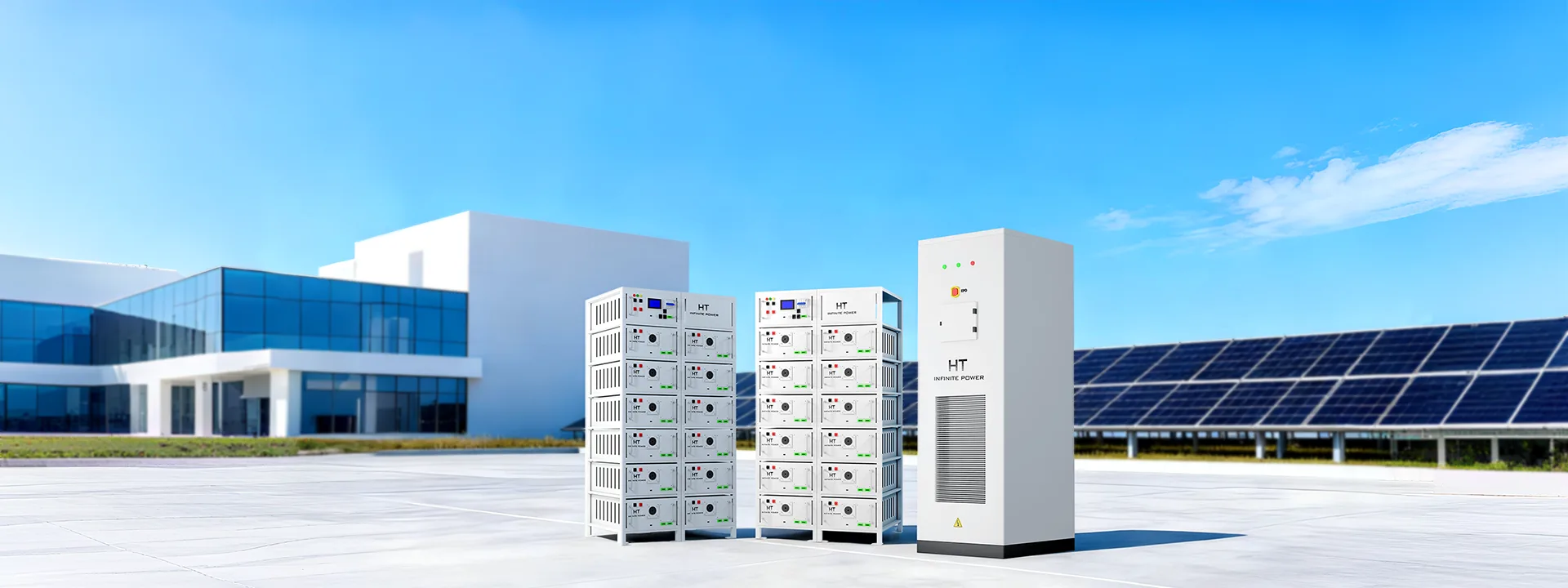
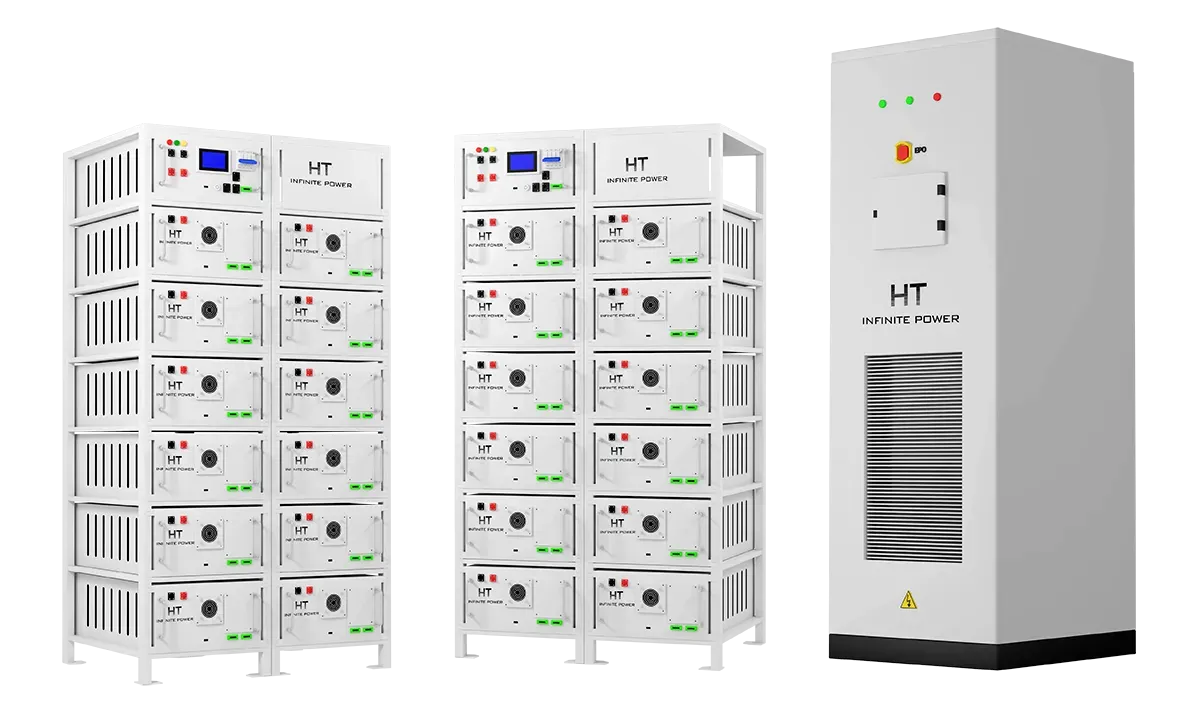
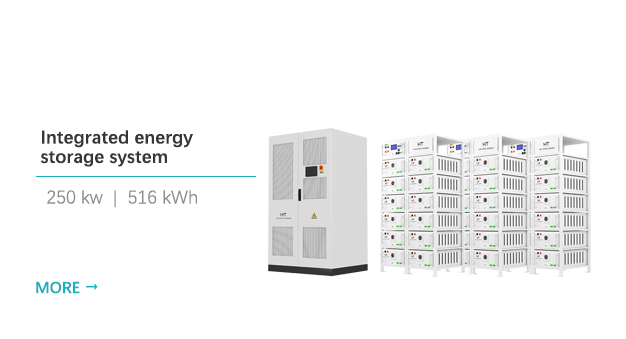
At the heart of this microgrid battery storage solution lies a harmonious interplay between power conversion and energy storage. The 150kW hybrid PCS orchestrates AC/DC transformation, seamlessly syncing with the grid or isolating into island mode in under 100ms. Downstream, two high-voltage racks—each housing 172kWh of lithium iron phosphate cells—are paralleled on a robust 600–950V DC bus, delivering 344kWh of usable energy.
Key system design advantages include:
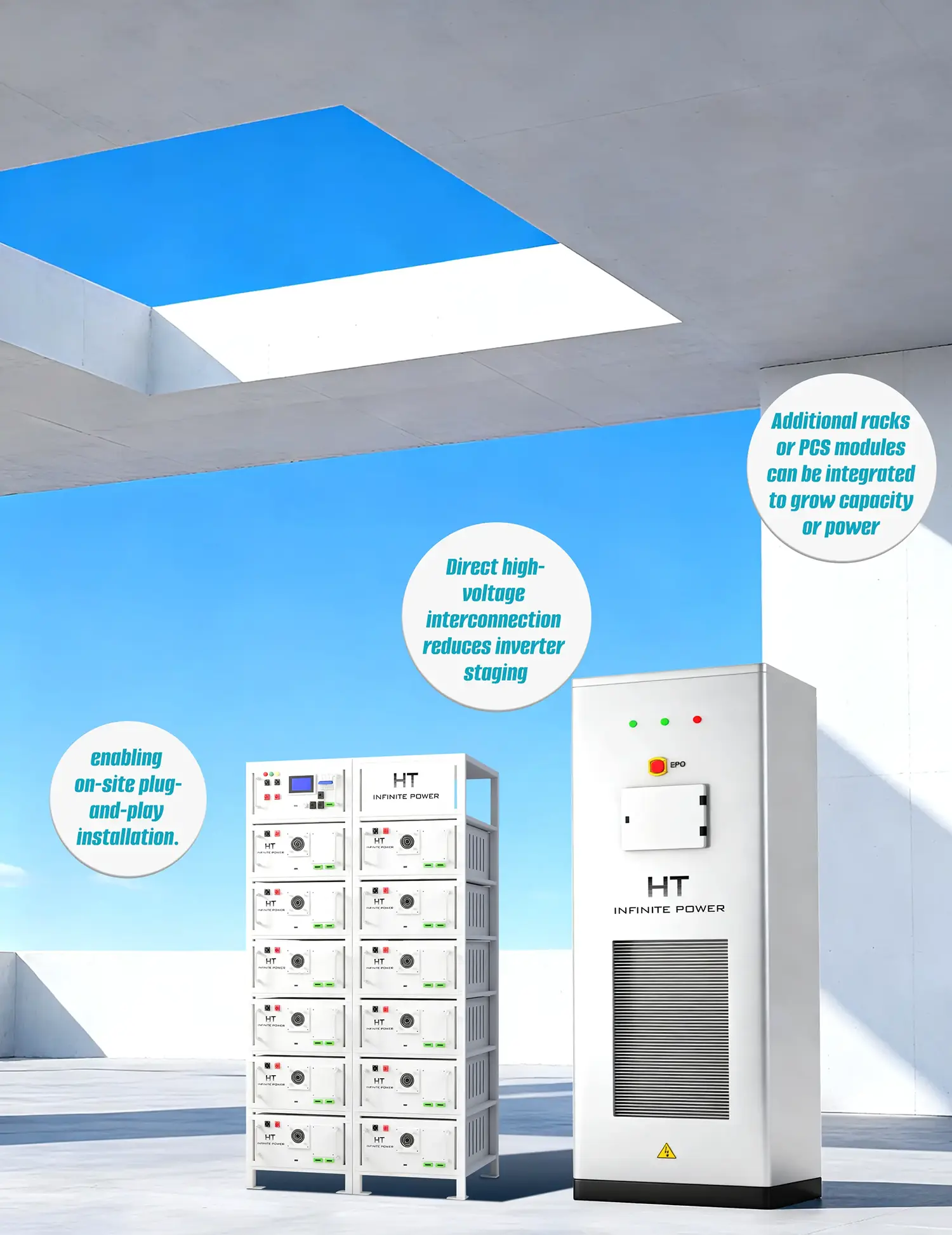
●Modular deployment: Racks and PCS come as prefabricated units, enabling on-site plug-and-play installation.
●Unified DC backbone: Direct high-voltage interconnection reduces inverter staging, improving efficiency and reliability
●Scalable topology: Additional racks or PCS modules can be integrated to grow capacity or power output without redesigning the system.
This modular architecture ensures both fast deployment and straightforward expansion.
Application Scenarios for Microgrid Battery Storage
This microgrid battery storage solution shines in environments where reliability, flexibility, and cost-efficiency intersect. Consider these use cases:
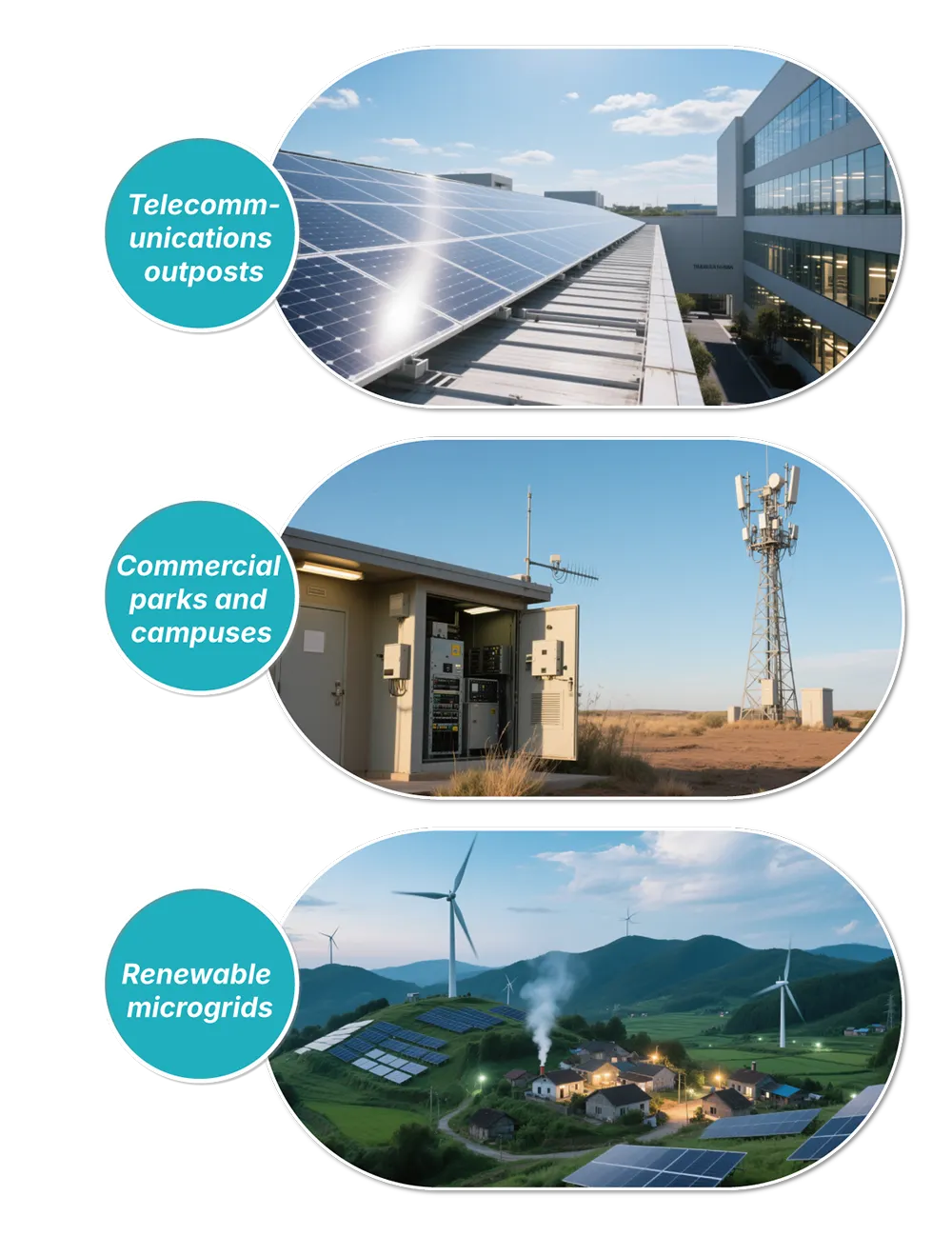
●Rural healthcare facilities: Maintain continuous power for life-support equipment and refrigeration. After dusk, stored energy seamlessly takes over when solar panels dim.
●Telecommunications outposts: Keep cellular towers and emergency communication networks live during grid outages, ensuring uninterrupted service.
●Commercial parks and campuses: Level demand charges by shaving peaks—discharging during business hours and recharging overnight.
●Renewable microgrids: Couple with wind turbines or solar farms to smooth output variability and maximize self-consumption.
From safeguarding critical services to optimizing energy bills, each scenario taps into the rapid response and scalable capacity of this system.
Environmental Readiness of Microgrid Battery Storage
Designed to thrive where others falter, this microgrid battery storage system withstands the extremes:
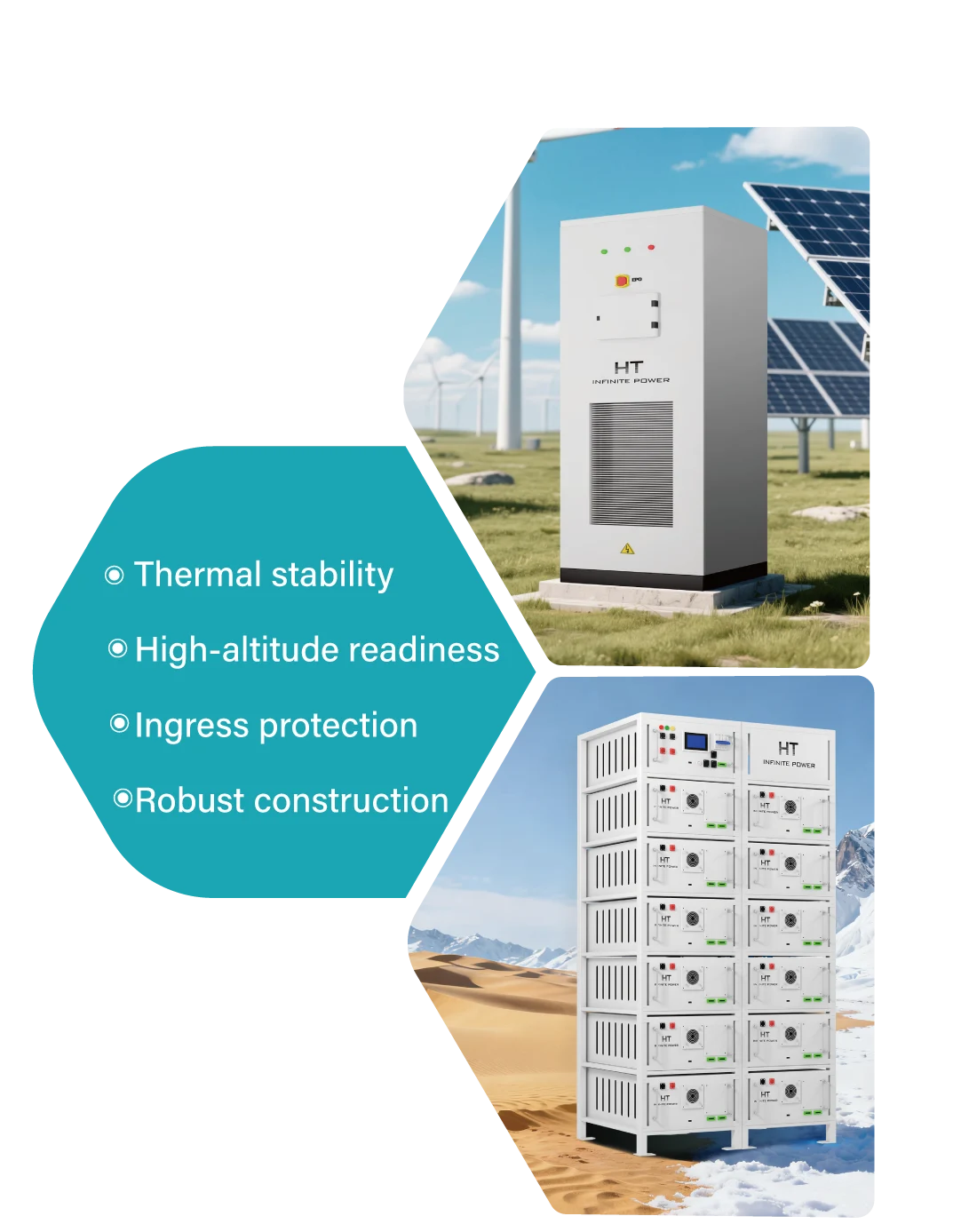
●Thermal stability: Operates flawlessly from –25 °C in cold climates to +60 °C in desert conditions, with intelligent air-cooling preserving cell health.
●High-altitude readiness: Rated for elevations up to 3000 m, ensuring reliable performance in mountainous or remote regions.
●Ingress protection: Choose indoor (IP21) or outdoor (IP54) enclosures to match site conditions, from equipment rooms to exposed roofs.
●Robust construction: Vibration and shock-tested racks guard against transport or field-service stresses.
FREQUENTLY ASKED QUESTIONS
─── About 150kW/344kWh Microgrid Battery Storage ───
Yes. The microgrid battery storage can connect directly to solar arrays, capturing excess PV output and storing it for later discharge.
At full 150kW output, you can expect about 2–3 hours of backup from the 344 kWh system, depending on load profile.
The microgrid battery storage system switches to island mode in under 100ms, maintaining power for critical loads without interruption.
Yes. Remote monitoring over CAN, RS485, or Ethernet lets you track state-of-charge, power flow, and system health in real time.
No. The microgrid battery storage system features modular racks and user-friendly interfaces—routine visual inspections and firmware updates are all that’s needed.
For More Questions Please Contact Us

+86 18722386248


Building 1, 1980 technology and Culture Industrial Park , Longhua, Shenzhen , China
Related Products