Selection and application analysis of high-voltage and low-voltage lithium battery energy storage systems
2025-06-17

High-voltage lithium battery packs and low-voltage lithium battery packs have their own advantages and disadvantages in solar photovoltaic systems. So, what are the similarities and differences between these two battery systems? This article will give you an in-depth analysis.
Types and Features of Energy Storage Batteries
Energy storage batteries can be divided into low-voltage energy storage batteries and high-voltage energy storage batteries according to the different connection methods in the circuit. The high voltage and low voltage do not refer to the numerical value of the voltage of the two, but refer to the circuit connection method of the battery in the whole system.

1.Low-Voltage Energy Storage Batteries
Low-voltage energy storage batteries usually have a voltage between 48–60V. The common standards on the market are 48V or 51.2V. When in use, the batteries cannot be connected in series to increase the voltage (that is, no matter how many batteries are connected, the voltage remains unchanged), but they can be connected in parallel to increase the capacity of the entire battery system. The battery belongs to the low-voltage part in the whole system, so it is called a low-voltage energy storage system. Low-voltage energy storage batteries have low requirements for BMS and more mature technology, so the price is also lower.
Because the voltage is low, the current is large, the heat is increased, and the energy loss of the whole system will be relatively large. The battery charges slowly, and there may be insufficient power when there is a high-power load.
(1).Advantages
Low-voltage battery packs have many advantages, such as easy installation, compact size, and affordable price.
(2).Limitations
However, it is worth noting that due to the low voltage, its charging and discharging speed is slow, and it may not be able to cope with the starting load alone, and it needs the assistance of the grid or solar energy to provide instant power. Therefore, the low-voltage battery system is more suitable for off-grid system users with low energy consumption requirements.
2.High-Voltage Energy Storage Batteries

The voltage of a single battery pack of a high-voltage energy storage battery is usually 48V or 51.2V. Some manufacturers will make it lower, and some will make it higher. When in use, the high-voltage battery is boosted by connecting multiple battery packs in series, and the final overall voltage can be raised to about 400-600V (household storage). The battery belongs to the high-voltage part of the entire system, so it is called a high-voltage energy storage system.
High-voltage energy storage batteries have higher technical and safety requirements for BMS, so the price is also higher. However, the high-voltage system has less energy loss, faster charging rate, and can drive a higher power load.
(1).Advantages
High-voltage battery systems are not only suitable for commercial energy storage needs, but can also be used as a home backup power source.
(2).Application Scenarios
Compared with other types of batteries, high-voltage batteries have a longer service life and a higher discharge rate. In addition, it can provide higher energy output to support larger loads, which is particularly suitable for homes where the power consumption rate increases significantly at low voltage.
Comparison of high-voltage and low-voltage battery systems
Cost and selection
So, does the installation cost of a high-voltage battery pack cost more than a low-voltage battery pack?
Generally speaking, the price of a high-voltage battery pack is indeed higher than that of a low-voltage battery. This is mainly due to the increase in the manufacturing cost of high-voltage batteries and the impact of brand premium. However, it is worth noting that the price of lithium batteries is affected by many factors, including the type, size and quality of the battery, as well as different suppliers.
In general, if the family has a large number of people, a large load power, and a high requirement for charging time, consider choosing a high-voltage energy storage battery, otherwise choose a low-voltage energy storage battery.

Inverter Compatibility Requirements
The requirements of high-voltage and low-voltage energy storage batteries for inverters are mainly reflected in voltage compatibility and other technical parameters.
Voltage compatibility
Low-voltage energy storage batteries (such as 48V/51.2V) usually have better adaptability and safety. The corresponding inverter is called a low-voltage inverter, and its compatible voltage range is generally 40-60V.
High-voltage energy storage batteries (such as 300V) have higher efficiency, and the corresponding inverter is called a high-voltage inverter, and its compatible voltage range is usually above 90-600V.
Other technical parameter requirements
• Rated power: The rated power of the inverter should be able to meet the load requirements and ensure stable output under various working conditions
• Input voltage range: The input voltage of the inverter should match the voltage of the energy storage battery to ensure energy conversion efficiency.
• Output voltage and frequency: The output voltage and frequency of the inverter should be consistent with the requirements of the load equipment. Common output frequencies are 50Hz and 60Hz.
• Maximum charge and discharge current: The inverter should have sufficient charge and discharge capacity to adapt to different load requirements and system configurations2.
• Photovoltaic maximum input power: For inverters connected to photovoltaic systems, their photovoltaic maximum input power should be able to handle the actual photovoltaic power generation to avoid power waste.
• AC overload capacity: The off-grid output port of the inverter should have short-term overload capacity to cope with the instantaneous current shock when the load starts.

Safety and efficiency
Whether it is a high-voltage battery or a low-voltage battery, safety always comes first.
Safety Requirements
For high-voltage batteries, we need to check the battery condition regularly to prevent overheating, overcharging or over-discharging. At the same time, we need a professional monitoring system and emergency plans to deal with possible safety problems of the battery.
Efficiency Performance
In terms of efficiency, high-voltage batteries can provide more power due to their high energy density, but they also require more complex management systems to ensure their efficient and safe operation. Although low-voltage batteries have low energy density, they are simple to manage and are suitable for small systems or situations where the demand for power is not so high.
Conclusion: How to Choose the Right Battery System?
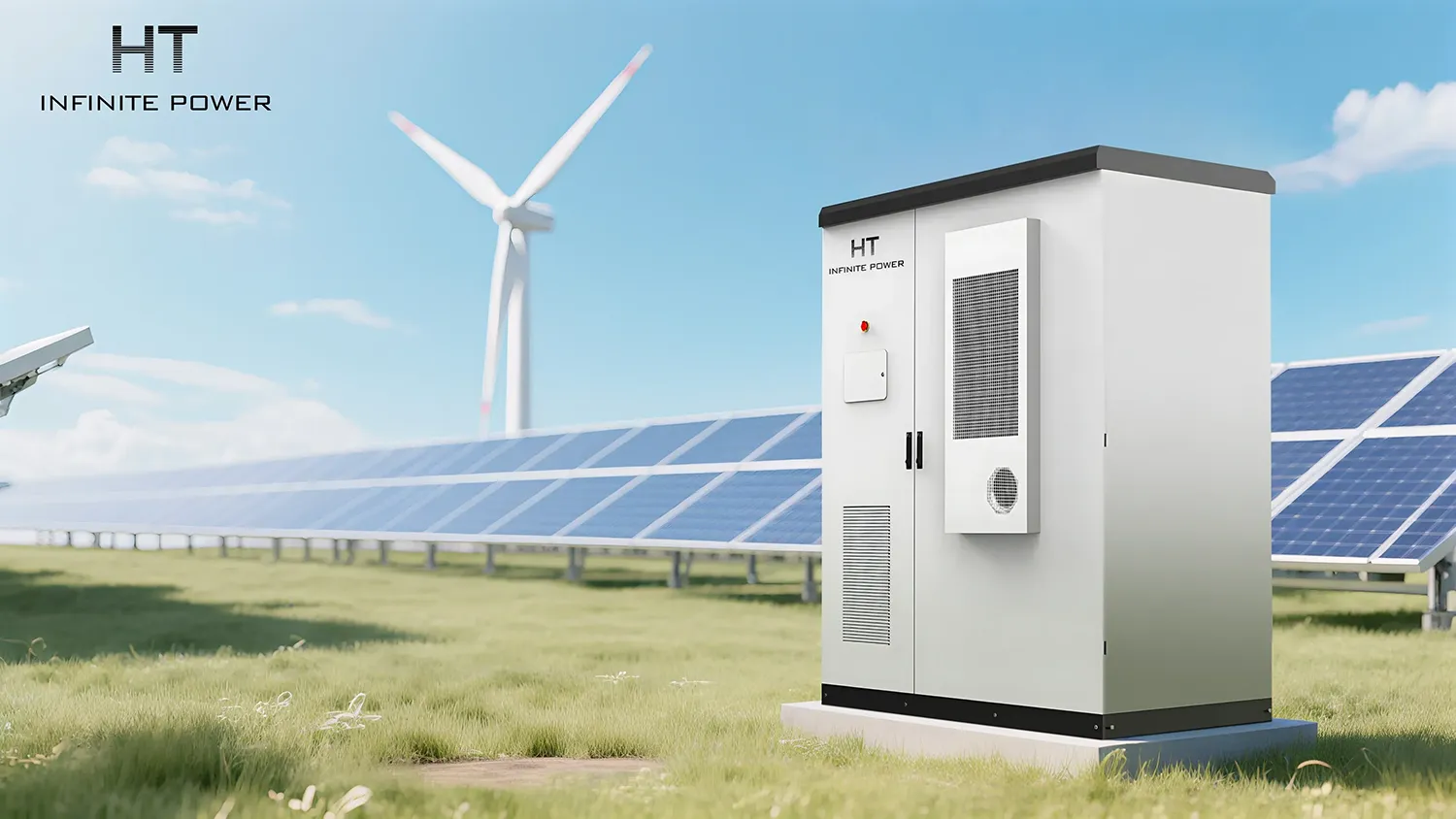
In general, high-voltage batteries and low-voltage batteries each have their own advantages and limitations. The choice of which battery to use depends mainly on the specific application scenario and needs. In the energy storage system, we need to fully consider the safety, efficiency and maintenance requirements of the battery to make the best choice.
What Is Energy Arbitrage in Battery Storage?
How do energy storage batteries overcome usage limitations in low temperature environments?
Related Article