
How to best store lithium batteries?
2025-02-14

From mobile phones and tablets to electric cars or home energy storage batteries, lithium batteries are now used everywhere. However, during use, we often encounter lithium battery packs that are not suitable for a period of time, such as more than 30 days.
So, how to properly store these lithium batteries that are not used for a long time?
Proper storage of lithium batteries for long periods of time is essential to extending their life and maintaining their performance.
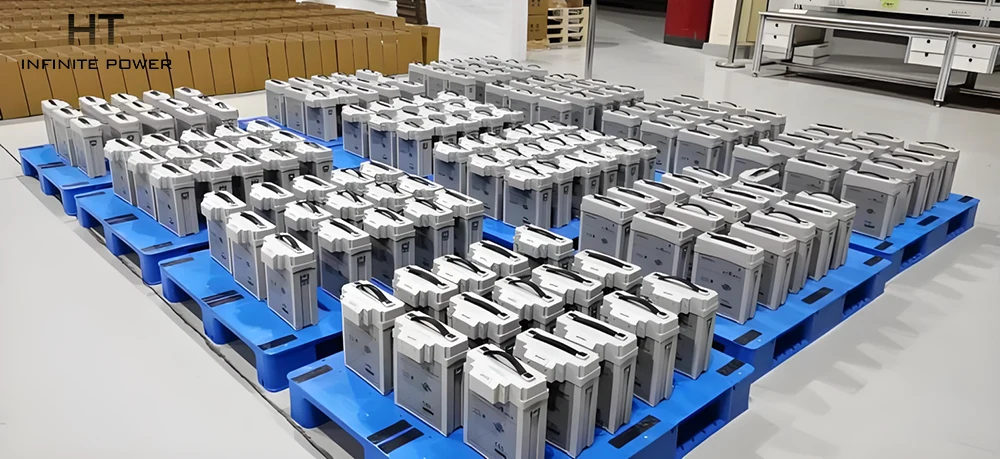
Here are some recommended storage methods:
1. Choose a suitable storage environment
(1).Temperature:
The storage temperature of lithium batteries should be kept in a relatively mild range, preferably between 15℃ and 25℃.
Too high or too low temperature may damage the battery. Too high temperature will accelerate the volatilization of electrolyte and the corrosion of lithium metal, while too low temperature may increase the internal resistance of the battery and reduce the discharge capacity.
It is generally recommended that the storage temperature range of lithium batteries is 0℃ to 50℃, and the optimal storage temperature is 15℃ to 25℃.
(2).Humidity:
Lithium batteries should not be stored in a humid environment. The optimal humidity should be controlled between 45% and 75%. Humidity may cause corrosion of battery electrodes and even cause a short circuit.
(3).Dust and collision prevention:

Lithium batteries should be stored in a dry, ventilated, dust-proof place to avoid contact with dust and impurities. At the same time, avoid collision or extrusion by external forces to prevent battery damage.
When a lithium battery is squeezed, the outer shell begins to deform, gradually spreading to the various components of the battery. The spacing between the electrode layers shrinks, and the current collector bends accordingly.
When the deformation accumulates to a certain extent, the electrode material may crack, and the cracks expand rapidly under the pressure, which may cause the current collector to rupture.
As a key barrier inside the battery, the diaphragm will withstand stretching and twisting. Once its tolerance reaches its limit, it will rupture, causing the electrodes to contact and causing a short circuit risk. The surge in current caused by this short circuit will quickly heat the inside of the battery, triggering a series of chemical reactions, which may cause thermal runaway of the battery.
2.Adjust to the appropriate power state
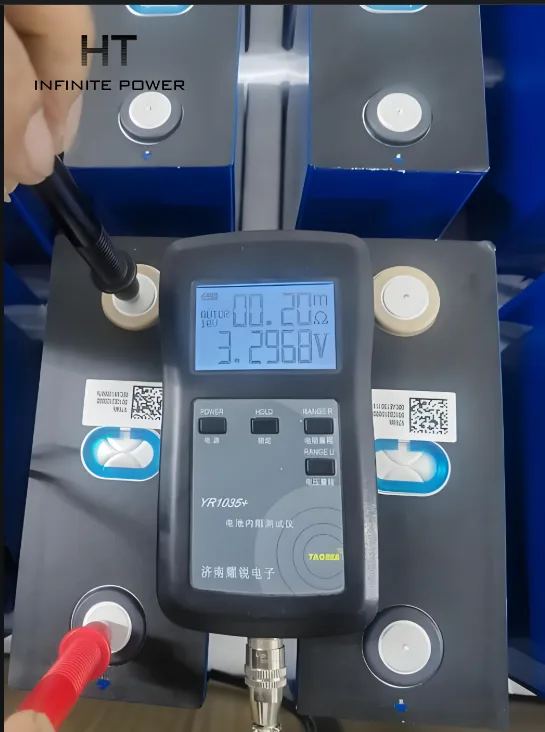
As a highly efficient chemical battery, lithium batteries will also self-discharge when not used for a long time.
The self-discharge rate is affected by many factors, including temperature, storage time, and storage status. Generally speaking, the self-discharge rate of lithium batteries at room temperature is relatively low, about 2% to 5% per month. As the temperature rises, the self-discharge rate will accelerate, resulting in a decrease in battery capacity.
(1).Charge to the appropriate power level:
Before storage, it is recommended to adjust the power level of the lithium battery to between 40% and 60% (some data also recommend charging to 50%~80%). This power range helps slow down the self-discharge rate of the battery and extend the storage time.
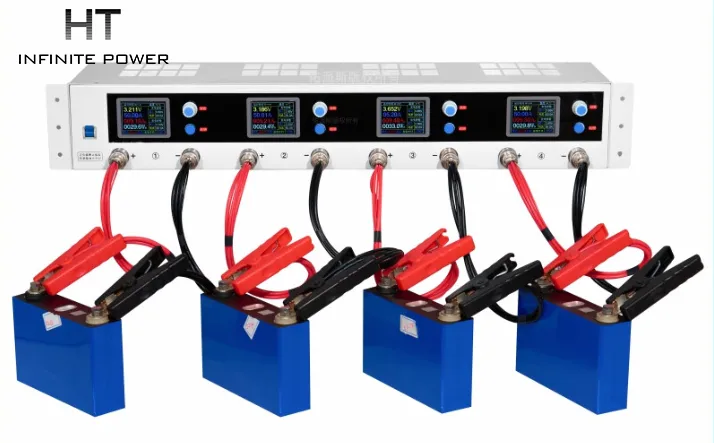
(2).Avoid storing the battery fully charged or empty:
Storing the battery fully charged or empty for a long time may cause the battery performance to deteriorate. The fully charged state may accelerate the decomposition of the electrolyte and the corrosion of the lithium metal, while the empty state may cause damage to the internal structure of the battery.
Regularly charging and discharging lithium batteries helps activate the battery and prolong its life.
Even when not in use, the battery should be charged and discharged regularly to maintain its activity.
Even when not in use, the battery should be charged and discharged regularly to maintain its activity.
3.Regular inspection and maintenance
(1).Observe the appearance:
Check the appearance of the lithium battery regularly. If corrosion, bulging, leakage, etc. are found on the battery surface, stop using it immediately and handle it properly.
(2).Measure voltage:
Use a multimeter to measure the voltage of the lithium battery regularly to understand its remaining power. If the battery voltage is found to be too low, charge it in time to avoid over-discharge.
(3).Regular charge and discharge:
For lithium batteries stored for a long time, it is recommended to charge and discharge them every 3 months to maintain the activity of the battery.
4.Other precautions
(1).Storage container selection:
It is best to use the original packaging or a special battery storage box to store lithium batteries for better protection.
(2).Safe storage:
Store lithium batteries out of the reach of children to avoid the risk of fire and electric shock.
(3).Choose high-quality lithium battery management system and charger.
A high-quality lithium battery management system (BMS) can provide timely power-off protection when the battery is about to be overcharged or over-discharged, ensuring the safe use of the battery.
At the same time, it is also crucial to choose an original charger or a compliant charger that is suitable for the battery pack data to avoid battery damage caused by improper chargers.
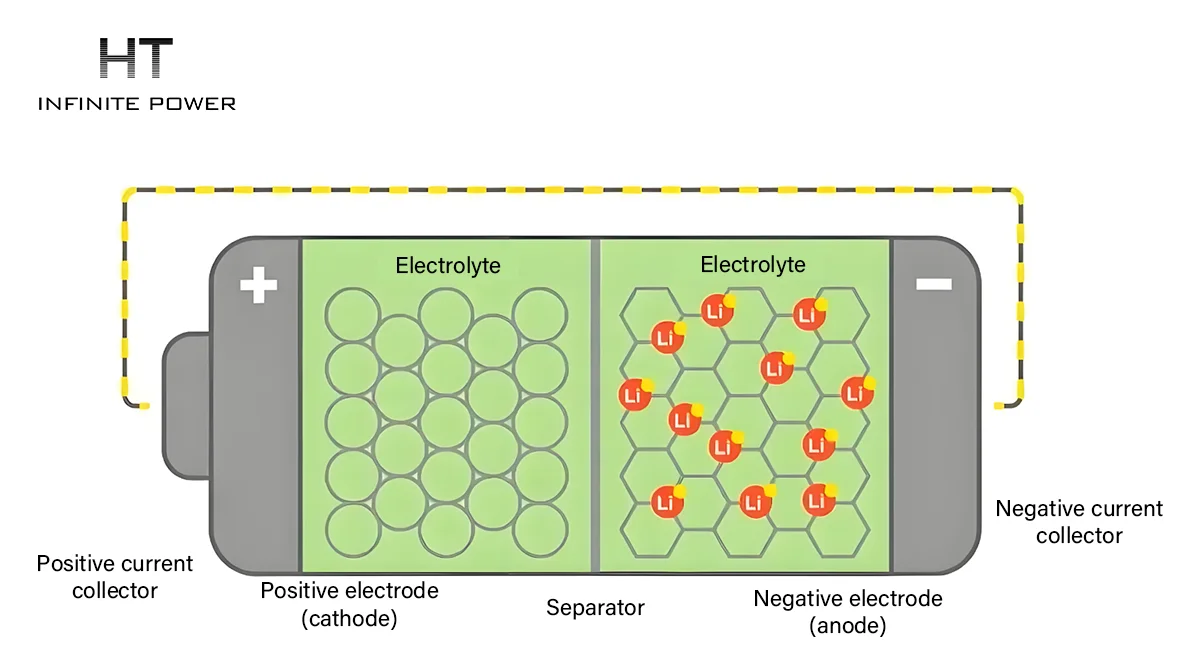
(4).Perform a complete charge and discharge cycle on the lithium battery regularly.
The role of complete charge and discharge
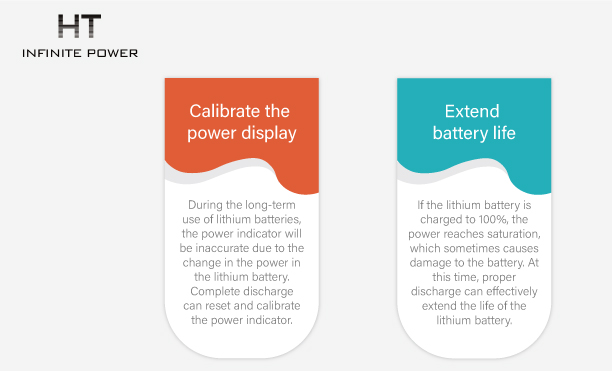
●Calibrate the power display
During the long-term use of lithium batteries, the power indicator will be inaccurate due to the change in the power in the lithium battery. Complete discharge can reset and calibrate the power indicator.
●Extend battery life
If the lithium battery is charged to 100%, the power reaches saturation, which sometimes causes damage to the battery. At this time, proper discharge can effectively extend the life of the lithium battery.
In summary, the correct storage of lithium batteries that are not used for a long time requires comprehensive consideration of storage environment, power status, regular inspection and maintenance, and precautions. Following these recommendations can extend the life of lithium batteries and maintain their performance.
How to use old batteries?
How to check lithium battery?