Grid-Scale vs Distributed Storage: Where the Real Growth Lies
2025-10-25
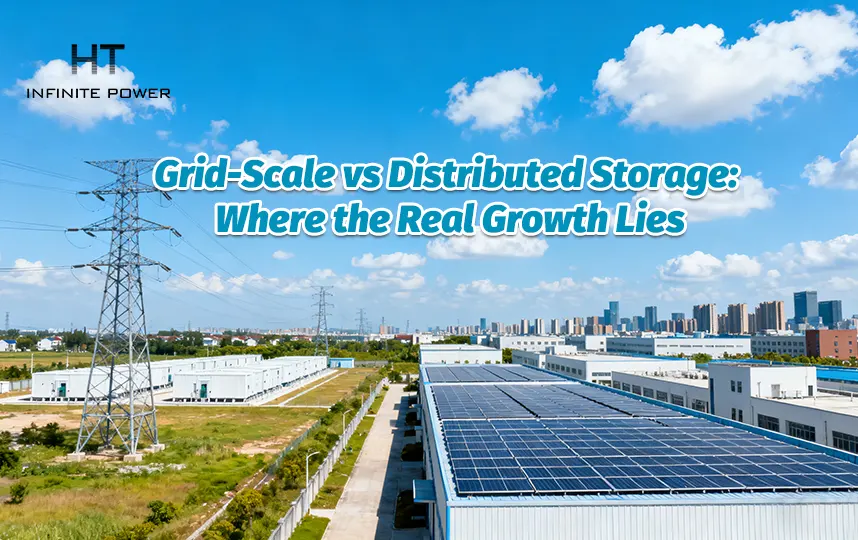
1. A Market Split That Defines the Future
Walk through any energy conference today, and one debate dominates the room — should investment flow into grid-scale storage projects that stabilize entire national grids, or into distributed energy systems serving factories, commercial sites, and microgrids?
Both are expanding fast, but in very different ways. The market is no longer about “which one wins,” but which ecosystem grows smarter, faster, and more profitably.
Both are expanding fast, but in very different ways. The market is no longer about “which one wins,” but which ecosystem grows smarter, faster, and more profitably.
2. Why Grid-Scale Still Dominates the Headlines
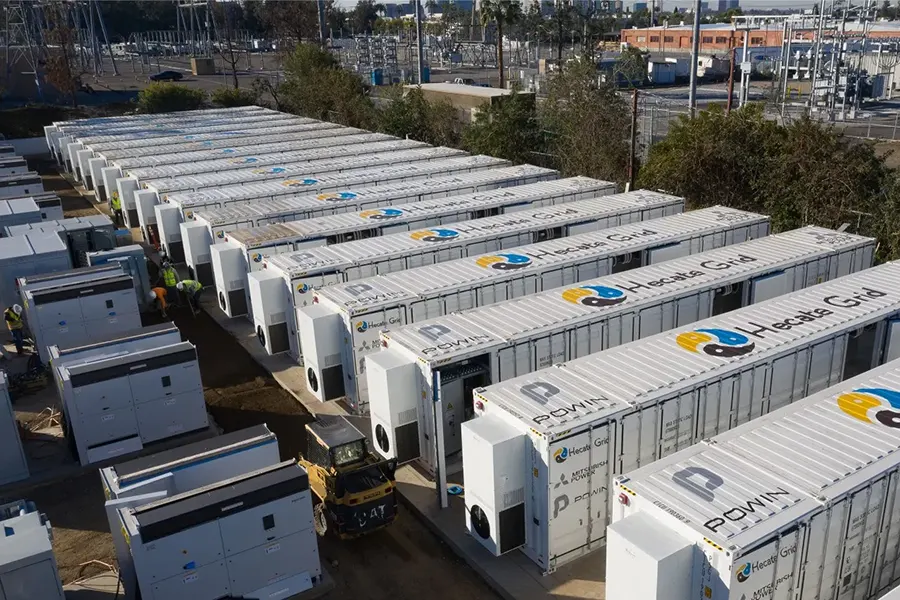
Grid-scale energy storage systems (ESS) remain the face of large-scale transition stories. Developers in Australia, the US, and the UK are racing to deploy multi-hundred-megawatt projects — because utilities still view central capacity as the simplest path to resilience.
The economics favor scale: batteries over 100 MWh can secure capacity contracts, frequency regulation, and ancillary revenues. Yet the drawback is structural — long permitting cycles, high upfront cost, and slower ROI.
Grid-scale projects make headlines, but distributed systems are quietly rewriting the business case.
The economics favor scale: batteries over 100 MWh can secure capacity contracts, frequency regulation, and ancillary revenues. Yet the drawback is structural — long permitting cycles, high upfront cost, and slower ROI.
Grid-scale projects make headlines, but distributed systems are quietly rewriting the business case.
3. The Rise of Distributed Systems: Smaller, Faster, Closer
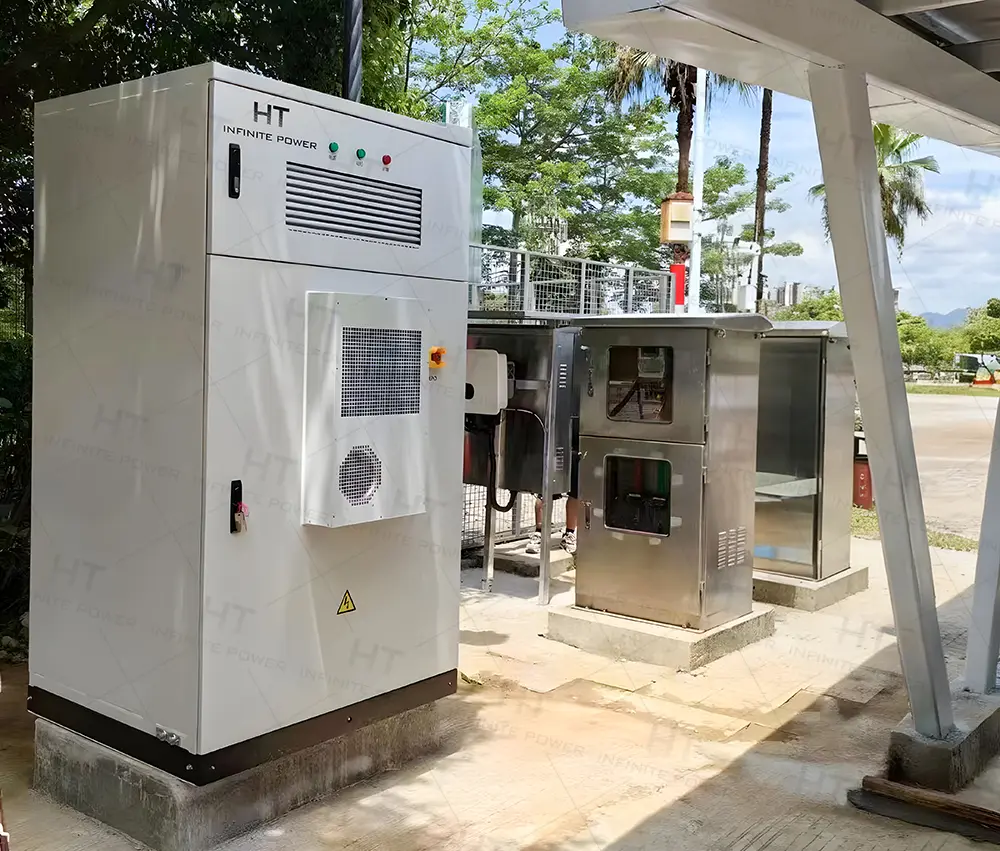
Across Europe and Asia, distributed storage has become the “smart money” segment. Industrial parks in Germany or textile clusters in Vietnam now install modular battery systems of 1–5 MWh to offset peak tariffs and stabilize renewable integration.
Unlike centralized plants, distributed energy storage (DES) grows bottom-up. Businesses choose autonomy over dependency. This model’s flexibility — pairing batteries with rooftop solar, EV chargers, or heat pumps — has proven powerful in markets where policy and grid infrastructure lag behind.
Unlike centralized plants, distributed energy storage (DES) grows bottom-up. Businesses choose autonomy over dependency. This model’s flexibility — pairing batteries with rooftop solar, EV chargers, or heat pumps — has proven powerful in markets where policy and grid infrastructure lag behind.
4. Economics and Investment Logic Behind the Divergence
The capital narrative is shifting.
Grid-scale storage relies on utility auctions and grid contracts. DES, on the other hand, attracts private equity and ESG-driven funds because the returns are quicker and more measurable.
In Germany, a 2 MWh commercial battery can recover investment within 4–5 years via demand charge reduction and energy trading. In contrast, a 200 MWh utility project might take 8 years or more before positive cash flow.
In short, centralized scale maximizes output; distributed systems maximize agility.
Grid-scale storage relies on utility auctions and grid contracts. DES, on the other hand, attracts private equity and ESG-driven funds because the returns are quicker and more measurable.
In Germany, a 2 MWh commercial battery can recover investment within 4–5 years via demand charge reduction and energy trading. In contrast, a 200 MWh utility project might take 8 years or more before positive cash flow.
In short, centralized scale maximizes output; distributed systems maximize agility.
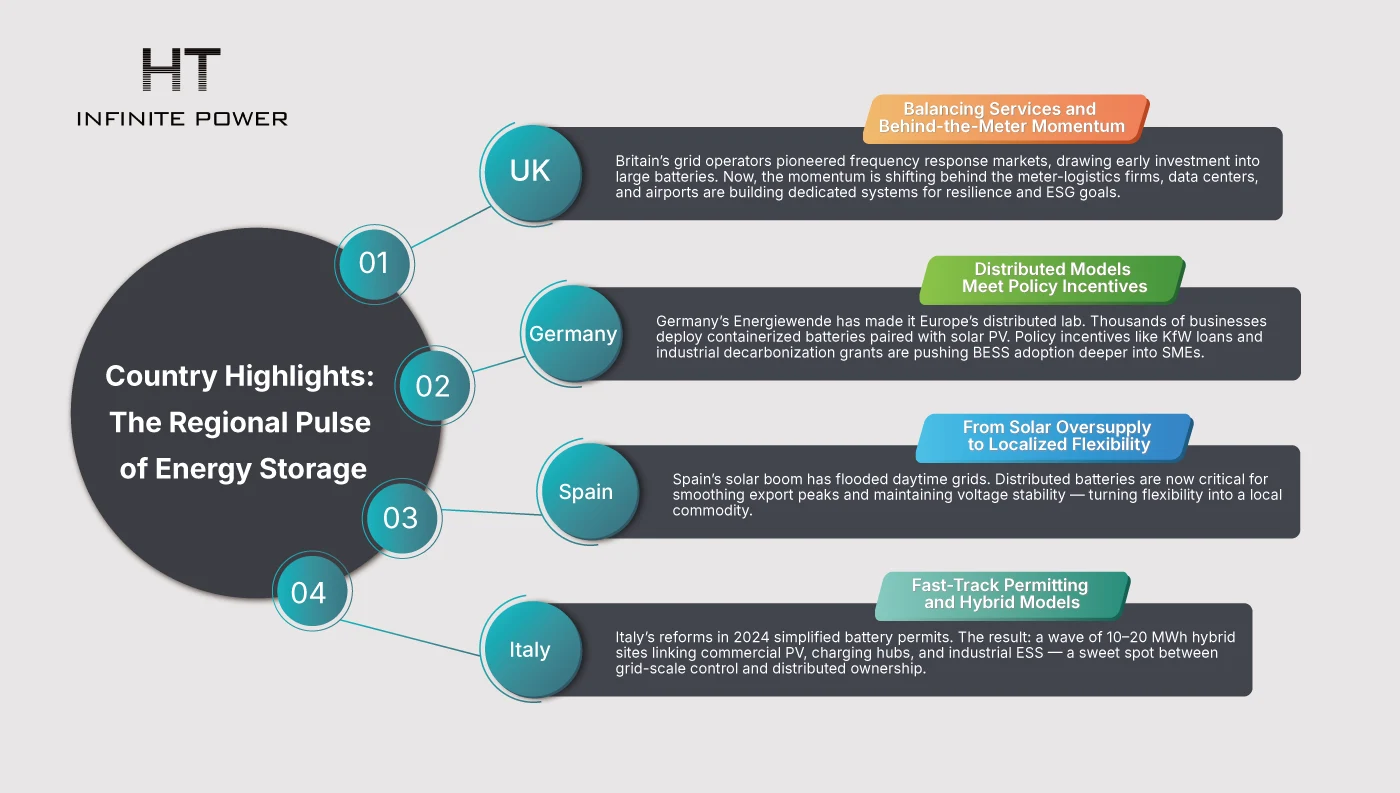
5. Country Highlights: The Regional Pulse of Energy Storage
UK – Balancing Services and Behind-the-Meter Momentum
Britain’s grid operators pioneered frequency response markets, drawing early investment into large batteries. Now, the momentum is shifting behind the meter — logistics firms, data centers, and airports are building dedicated systems for resilience and ESG goals.
Germany – Distributed Models Meet Policy Incentives
Germany’s Energiewende has made it Europe’s distributed lab. Thousands of businesses deploy containerized batteries paired with solar PV. Policy incentives like KfW loans and industrial decarbonization grants are pushing BESS adoption deeper into SMEs.
Spain – From Solar Oversupply to Localized Flexibility
Spain’s solar boom has flooded daytime grids. Distributed batteries are now critical for smoothing export peaks and maintaining voltage stability — turning flexibility into a local commodity.
Italy – Fast-Track Permitting and Hybrid Models
Italy’s reforms in 2024 simplified battery permits. The result: a wave of 10–20 MWh hybrid sites linking commercial PV, charging hubs, and industrial ESS — a sweet spot between grid-scale control and distributed ownership.
6. Integration and Technology: Where the Value Chain Shifts
For manufacturers and integrators, the real contest isn’t capacity — it’s control.
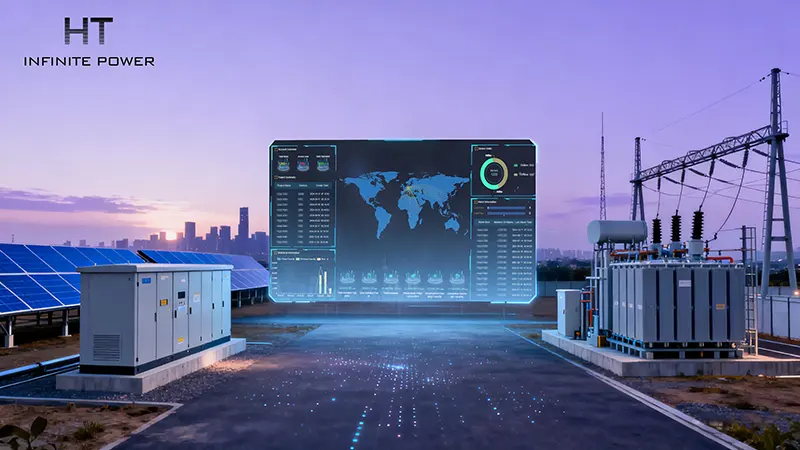
Advanced energy management systems (EMS) and AI-driven dispatch software now define competitiveness. Integrators that offer turnkey systems — from battery racks to EMS dashboards — are edging ahead of pure cell suppliers.
The trend is toward “intelligent integration”: coupling digital platforms with
Advanced energy management systems (EMS) and AI-driven dispatch software now define competitiveness. Integrators that offer turnkey systems — from battery racks to EMS dashboards — are edging ahead of pure cell suppliers.
The trend is toward “intelligent integration”: coupling digital platforms with
physical assets to reduce lifetime cost and optimize performance across fleets.
7. What Manufacturers Need to Prepare For
Global BESS suppliers now face a dual mandate:
Optimize for scale (for utility partners and tenders)
Adapt for customization (for distributed clients needing flexibility)
In practice, that means modular architectures, open EMS protocols, and local service networks. Manufacturers who master both ends of this spectrum will define the next decade of competition.
Optimize for scale (for utility partners and tenders)
Adapt for customization (for distributed clients needing flexibility)
In practice, that means modular architectures, open EMS protocols, and local service networks. Manufacturers who master both ends of this spectrum will define the next decade of competition.
8. Final Thoughts: Convergence, Not Competition
Grid-scale and distributed storage are no longer two separate worlds. As energy markets digitalize, their boundaries blur — utility projects adopt modular layouts, while commercial systems participate in grid services.
The next growth wave won’t be about capacity; it will be about connectivity — how intelligently, flexibly, and sustainably each system can respond to the energy ecosystem around it.
The next growth wave won’t be about capacity; it will be about connectivity — how intelligently, flexibly, and sustainably each system can respond to the energy ecosystem around it.
9. FAQ
Q1. What’s driving distributed energy storage growth globally?
Falling battery prices, corporate ESG goals, and decentralized energy policies are accelerating DES adoption across industrial and commercial sectors.
Falling battery prices, corporate ESG goals, and decentralized energy policies are accelerating DES adoption across industrial and commercial sectors.
Q2. Are grid-scale projects still relevant for investors?
Yes, they remain essential for grid balancing and renewable integration, though the ROI period tends to be longer.
Yes, they remain essential for grid balancing and renewable integration, though the ROI period tends to be longer.
Q3. Which region leads distributed storage deployment?
Europe leads in commercial and industrial deployments, while the US and China dominate grid-scale capacity.
Europe leads in commercial and industrial deployments, while the US and China dominate grid-scale capacity.
Q4. Can grid-scale and distributed systems coexist efficiently?
Absolutely. Hybrid models are emerging where local systems provide grid services and stabilize distributed renewables.
Absolutely. Hybrid models are emerging where local systems provide grid services and stabilize distributed renewables.
Q5. What role will AI play in future storage management?
AI-enabled EMS platforms will optimize multi-site dispatch, predictive maintenance, and market bidding strategies.
AI-enabled EMS platforms will optimize multi-site dispatch, predictive maintenance, and market bidding strategies.
How Federal Policy Shifts Are Reshaping the U.S. Energy Storage Outlook
AI-Powered EMS: Smarter Control for Industrial Energy Storage Systems