What is lithium titanate battery ?
2025-03-03

Lithium titanate battery (LTO) is a lithium-ion battery with lithium titanate as the positive electrode material. It has the characteristics of high safety, strong stability, excellent performance, long cycle life, and environmental friendliness.
In this article, we will introduce the performance, advantages and application fields of lithium titanate batteries in detail.
1. What is lithium titanate battery (LTO)battery?
Lithium titanate battery (Li4Ti5O12) is a lithium-ion battery with lithium titanate as the positive electrode material.
The battery industry abbreviates it as LTO battery. It has the characteristics of high safety, strong stability, excellent performance, long cycle life, and environmental friendliness, and has been widely used. It has the characteristics of low self-discharge, high safety, long cycle life, wide operating temperature range, and fast charging and discharging speed.

Lithium titanate (Li4Ti5O12) technology is the future trend of lithium battery technology. The cycle life of lithium titanate battery exceeds 20,000 times and has fast charging and discharging characteristics. LTO battery can better cope with low temperature environment than lead-acid battery, lithium-ion battery and other types of batteries on the market.
2 Advantages of lithium titanate battery (LTO)
● Good safety and stability
The potential of lithium titanate ion battery is higher than that of metal lithium, it is not easy to produce lithium dendrites, and the discharge voltage is stable, thus improving the safety performance of lithium battery. It has been found through testing that lithium titanate battery does not smoke, catch fire or explode under harsh tests such as needle puncture, extrusion and short circuit, and its safety is much higher than other lithium batteries.
● Excellent fast charging performance
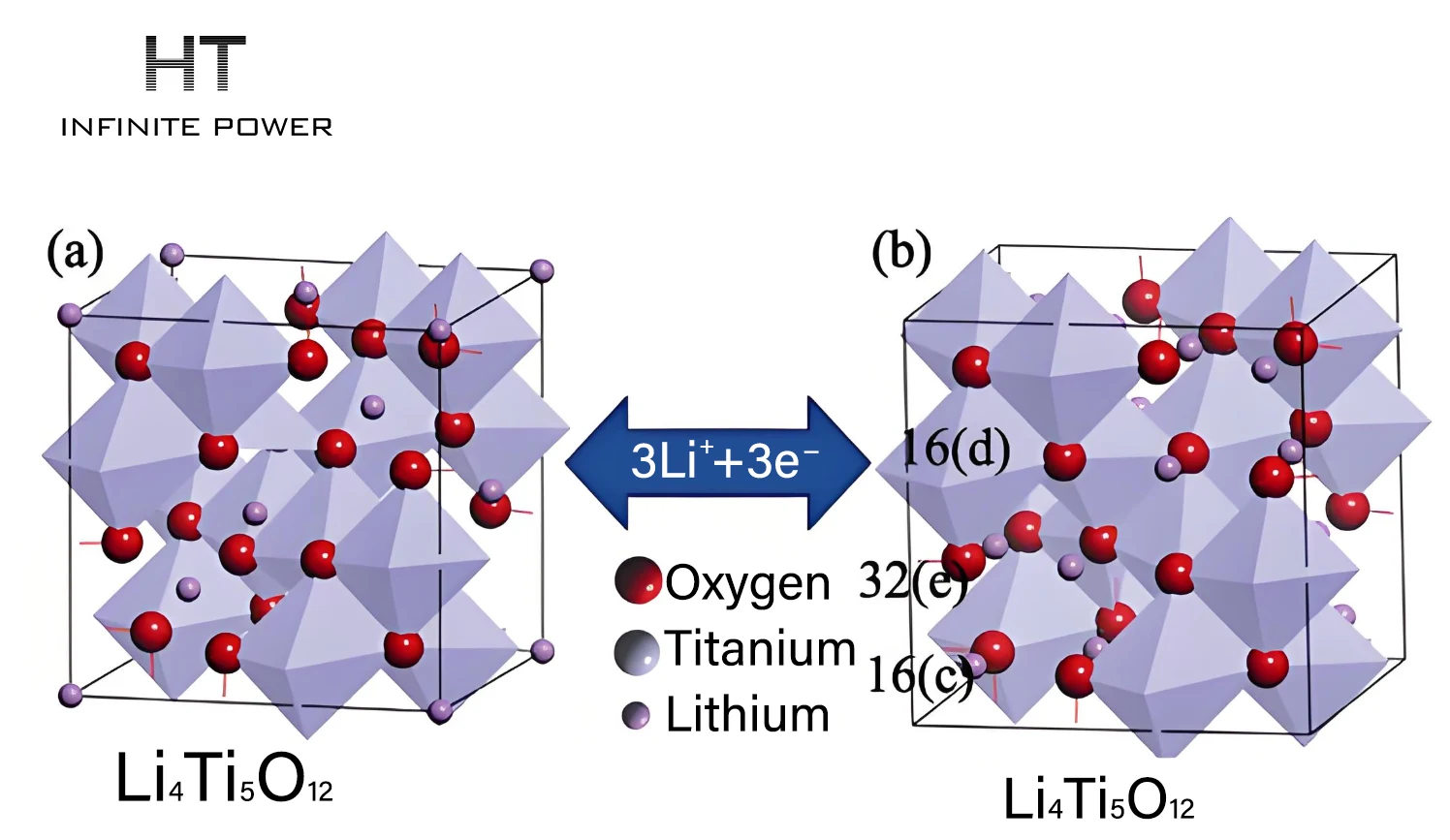
Compared with carbon negative electrode materials, lithium titanate battery has a higher lithium ion diffusion coefficient, which can achieve high-speed charging and discharging. While greatly shortening the charging time, it has little effect on the cycle life and has strong thermal stability. Lithium titanate battery can be fully charged in about ten minutes.
The chemical diffusion coefficient of lithium titanate (generally 2×10⁻⁸cm2/s) is one order of magnitude larger than that of carbon negative electrode material. The high diffusion coefficient gives lithium titanate battery the ability to charge and discharge faster and for longer cycles than other carbon negative electrode materials.
● Long cycle life
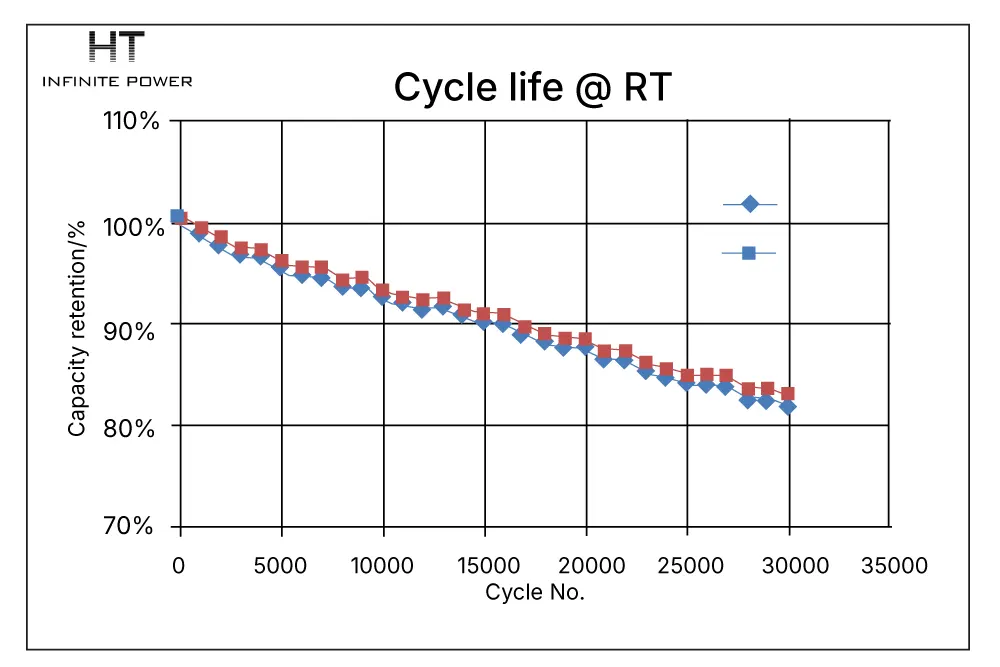
From the current development of lithium battery technology, lithium titanate batteries are the longest-lived and safest lithium batteries. From the perspective of life cycle, ordinary lithium-ion batteries are about 3000-6000 cycles, while lithium titanate batteries are 20000-30000 cycles.
Lithium titanate is also known as "zero strain material". This feature is of great significance for electrode materials. It can avoid structural changes caused by expansion and contraction of materials during charging and discharging, thereby improving the performance of electrodes, reducing significant capacity attenuation, and extending the service life of batteries.
● Wide application temperature range
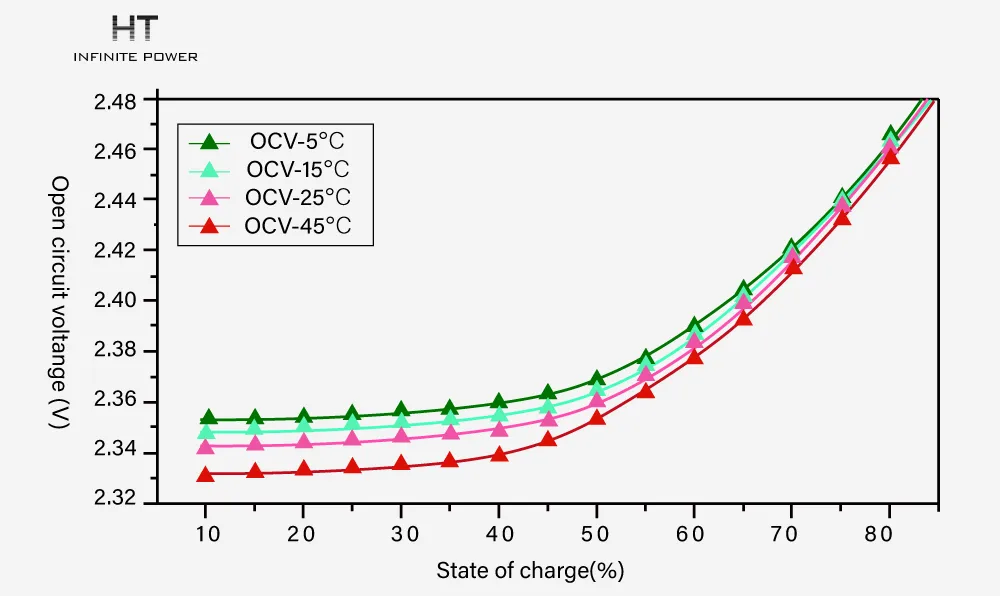
The three-dimensional spinel structure of lithium titanate battery has a unique three-dimensional lithium ion diffusion channel, so compared with other lithium batteries, lithium titanate battery also has better high and low temperature characteristics. It can be charged and discharged normally at minus 50 ℃ to 60 ℃.
Whether in the cold north or in the hot south, the vehicle battery will not be affected by the temperature, eliminating the user's worries.
The low-temperature discharge characteristics are particularly suitable for military products, aerospace industry, polar scientific expeditions, medical equipment and other extremely cold application fields with special requirements for low-temperature performance.
3. Disadvantages of lithium titanate battery (LTO)
When lithium titanate (LTO) material is used as the negative electrode material of the battery, it is easy to react with the electrolyte to produce gas during the charge and discharge cycle. Therefore, ordinary lithium titanate batteries are prone to flatulence, resulting in battery bulging. Once the lithium-ion battery swells, the contact between the positive and negative electrodes is no longer tight, the internal resistance of the battery will greatly increase, and the cycle performance of the battery will drop sharply.
On the other hand, the energy density of lithium titanate batteries is relatively low among lithium batteries, and the capacity ratio of lithium titanate batteries will decay at a high speed. However, lithium titanate batteries have the advantage of fast charging. With the large-scale coverage of charging facilities, electric vehicles equipped with lithium titanate batteries can be charged anytime and anywhere, and the energy density requirements for lithium titanate batteries will also be reduced. At the same time, lithium titanate batteries have an ultra-long cycle life that is superior to carbon negative electrode batteries, which can reduce the average cost of customers.
4. Application fields of lithium titanate batteries
(1). Electric vehicles:
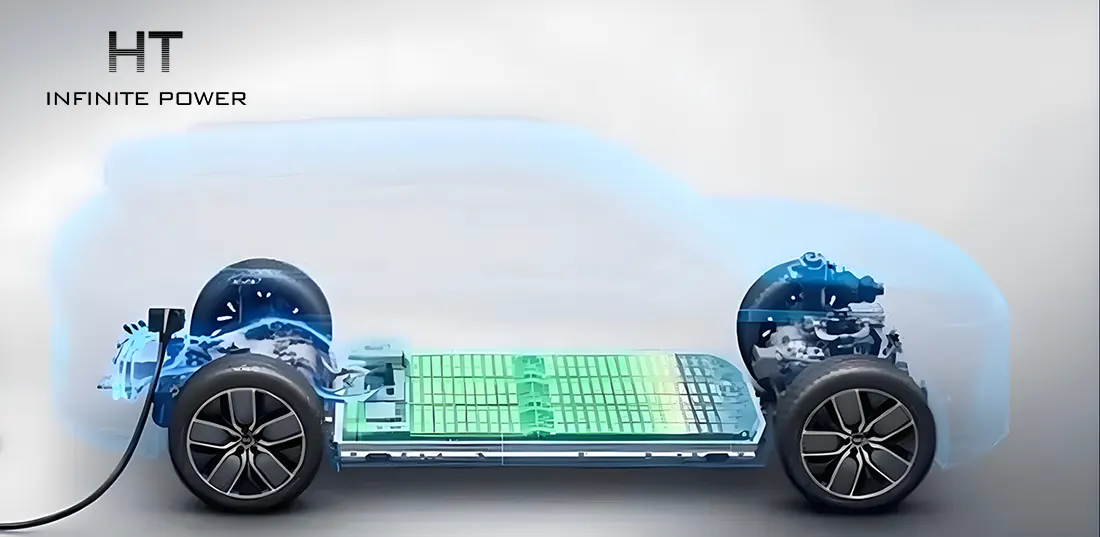
Due to its high safety and ultra-long service life, lithium titanate batteries have gradually become the mainstream battery technology in the field of electric vehicles. Especially for high-intensity usage scenarios such as shared cars, the advantages of lithium titanate batteries are more significant.
(2). Energy storage system :

With the popularization of new energy sources in the power grid, energy storage issues are becoming increasingly prominent. The high safety and ultra-long service life of lithium titanate batteries also make it the preferred battery for energy storage systems.
(3). Industrial automation:
In some industrial equipment, lithium batteries have become an indispensable part. And lithium titanate batteries have gradually entered the field of industrial automation due to their superior safety and service life.
(4). Mobile phone batteries:
Although lithium titanate batteries are more widely used in electric vehicles and energy storage, their high safety and long life characteristics also make them a potential choice for mobile phone batteries. The low self-discharge rate, long cycle life, and wide operating temperature range of lithium titanate batteries make them potential in the future mobile phone battery market.
Summary:
Lithium titanate battery is a relatively new battery technology. Compared with traditional lithium-ion batteries, lithium titanate battery has the following advantages:
● High safety:
Compared with lithium-ion batteries, lithium titanate batteries are more stable and less prone to accidents such as explosions.
● Ultra-long service life:
The charge and discharge cycle of lithium titanate batteries can reach thousands of times, with a long service life and slow capacity decay.
● High temperature resistance:
lithium titanate batteries can work normally in high temperature environments, with good stability and wider applicability.
● Low temperature resistance:
lithium titanate batteries can be charged and discharged normally at minus 50 ℃ to 60 ℃. Whether in the cold north or in the hot south, the battery will not be affected by temperature, eliminating the user's worries.
The low-temperature discharge characteristics are particularly suitable for military products, aerospace industry, polar scientific expeditions, medical equipment and other extremely cold application fields with special requirements for low-temperature performance.
5. Future trends of lithium titanate batteries
For electric vehicle energy, battery reliability and durability are crucial. Due to the advantages of high safety, high stability, long life and environmental protection, lithium titanate batteries will surely become a new generation of lithium-ion batteries, widely used in new energy vehicles, electric motorcycles and some high-end application fields with high requirements for safety, flexibility, high stability and long life.
What is container energy storage and its applications and advantages?
What Are Semi-Solid State Batteries and Their Difference from Solid-State?