Thermal energy storage system: a new direction for future energy utilization
2024-11-22
With the advancement of science and technology and the transformation of energy structure, new energy utilization technologies and energy storage methods have become the focus of people's attention. In this article, we will deeply explore the development status, basic principles and future application prospects of thermal energy storage system, and put forward corresponding suggestions for future challenges.
Thermal energy storage system refers to storing thermal energy and releasing it when needed to solve problems such as imbalance between energy supply and demand, improve energy efficiency, and reduce environmental pollution.
Thermal energy storage system technology is a type of energy storage technology with the characteristics of large storage capacity, high storage density, and various storage forms. It is widely used in electricity, metallurgy, chemical industry, construction and other fields.
The principle of thermal energy storage system technology mainly involves the first law of thermodynamics and the second law of thermodynamics. Through certain technical means, thermal energy is converted into other forms of energy for storage, and then converted back into thermal energy for use when needed.
Among them, sensible heat storage, latent heat storage, chemical energy storage, etc.
Are several main forms of thermal energy storage system technology.
1. Sensible heat energy storage

Sensible heat energy storage is a way to store thermal energy by using the temperature difference of a substance. In the process of sensible heat storage, heat is directly stored in the temperature of the substance, and when needed, the stored heat is released through heat exchange. This type of thermal energy storage system has a relatively simple energy storage method, but the storage density is low, and it is easy to cause energy loss during the storage process
2. Latent heat energy storage
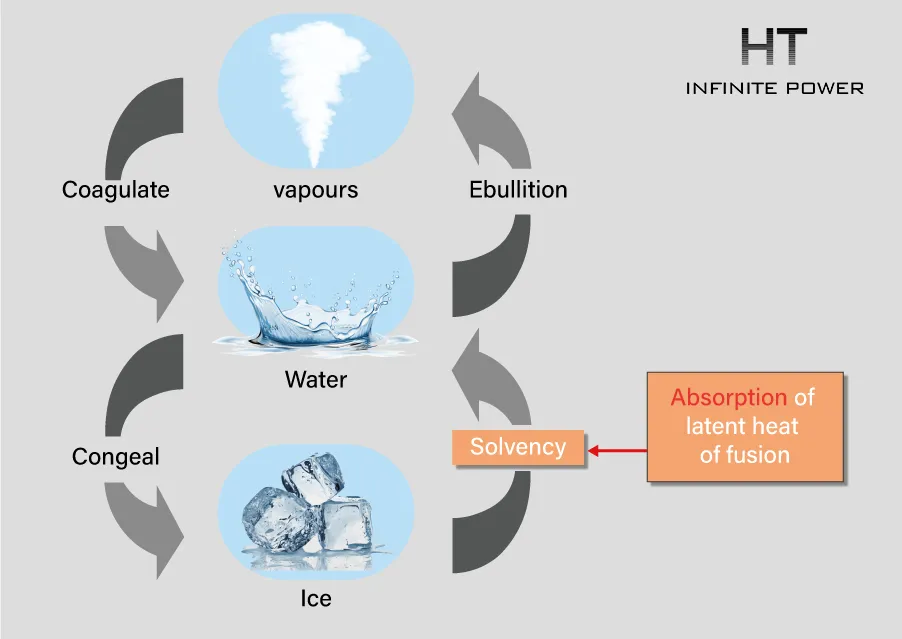
Latent heat energy storage is a way to store thermal energy by using the heat absorbed or released during the phase change of a substance. In the latent heat storage process, heat is stored in the latent heat of the phase change of the substance, and when needed, the stored thermal energy is released through the phase change process. This type of thermal energy storage system has a high storage density and less energy loss during the storage process, but the phase change process requires certain temperature and pressure conditions.
3. Chemical energy storage
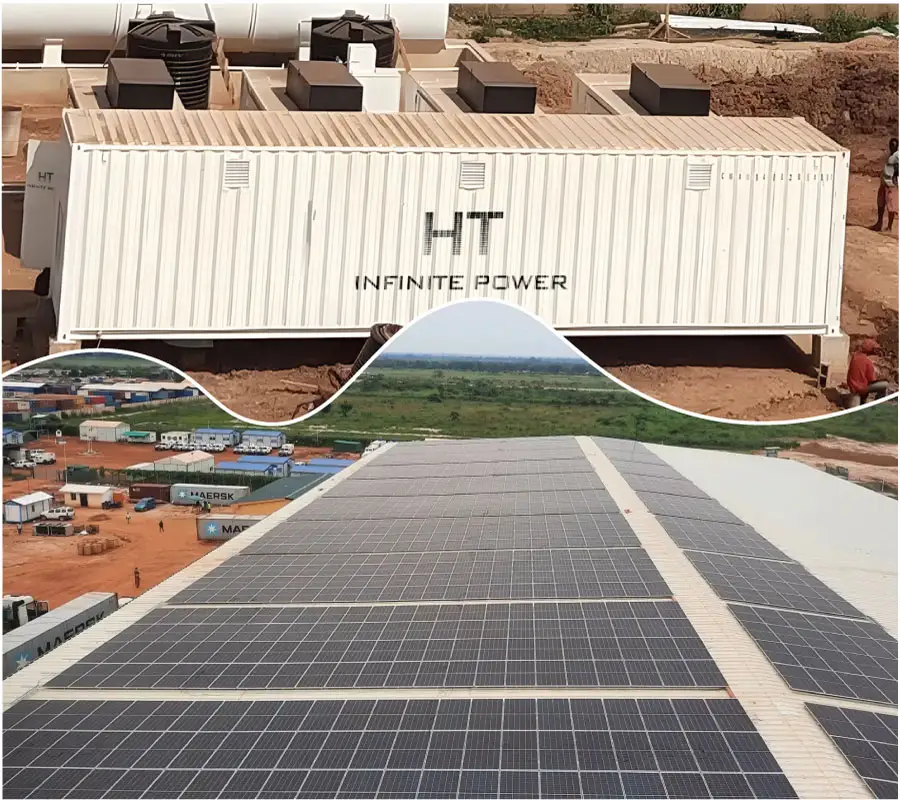
Chemical energy storage is a way to store thermal energy by using the heat released during chemical reactions. In the chemical energy storage process, heat is stored in the energy released during chemical reactions, and when needed, the stored thermal energy is released through chemical reactions. This type of thermal energy storage system has a high storage density, and the energy storage and release process is relatively stable, but the chemical reaction process requires certain conditions and catalysts.
Application scenarios of thermal energy storage technology
1. Power industry
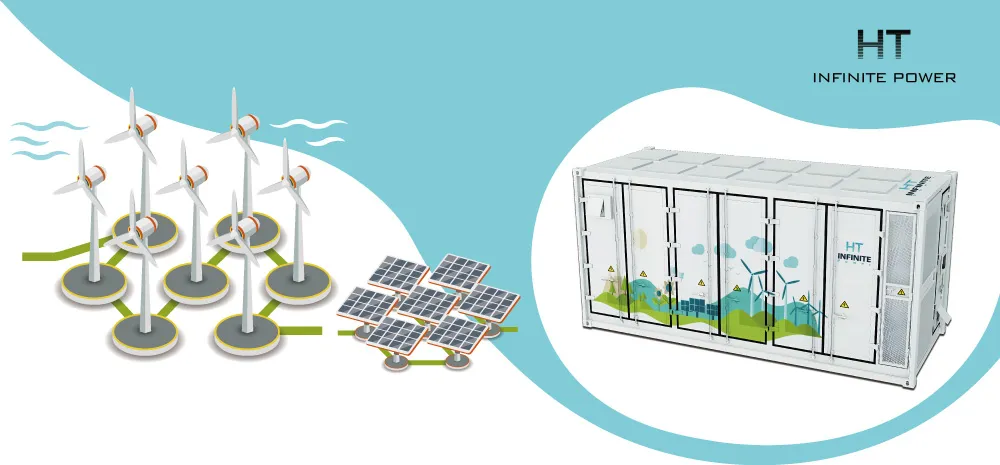
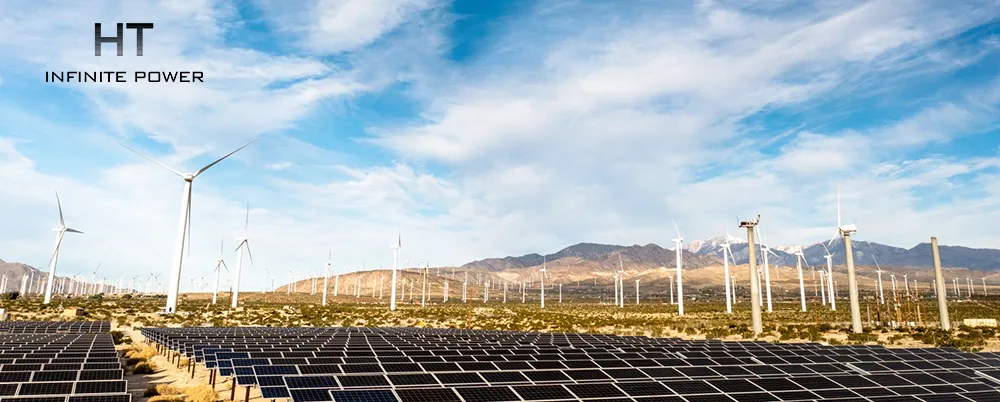
The application areas of thermal energy storage systems are wide, and the most promising application is in the field of renewable energy integration. As the world becomes more and more dependent on renewable energy such as solar and wind power, the need for effective energy storage solutions becomes more urgent.
Thermal energy storage systems can help solve this challenge by storing excess energy generated during periods of high production of renewable energy and releasing it during periods of low production, thereby smoothing out fluctuations in energy supply and demand.
In the power industry, thermal energy storage technology can be used to solve the imbalance between power supply and demand and the use of renewable energy. For example, converting electricity during low periods into thermal energy and storing it, and releasing it during peak periods, can balance power supply and demand; at the same time, using renewable energy such as solar energy and geothermal energy to convert it into thermal energy and store it, can improve the utilization rate and stability of renewable energy.
2. Metallurgical industry
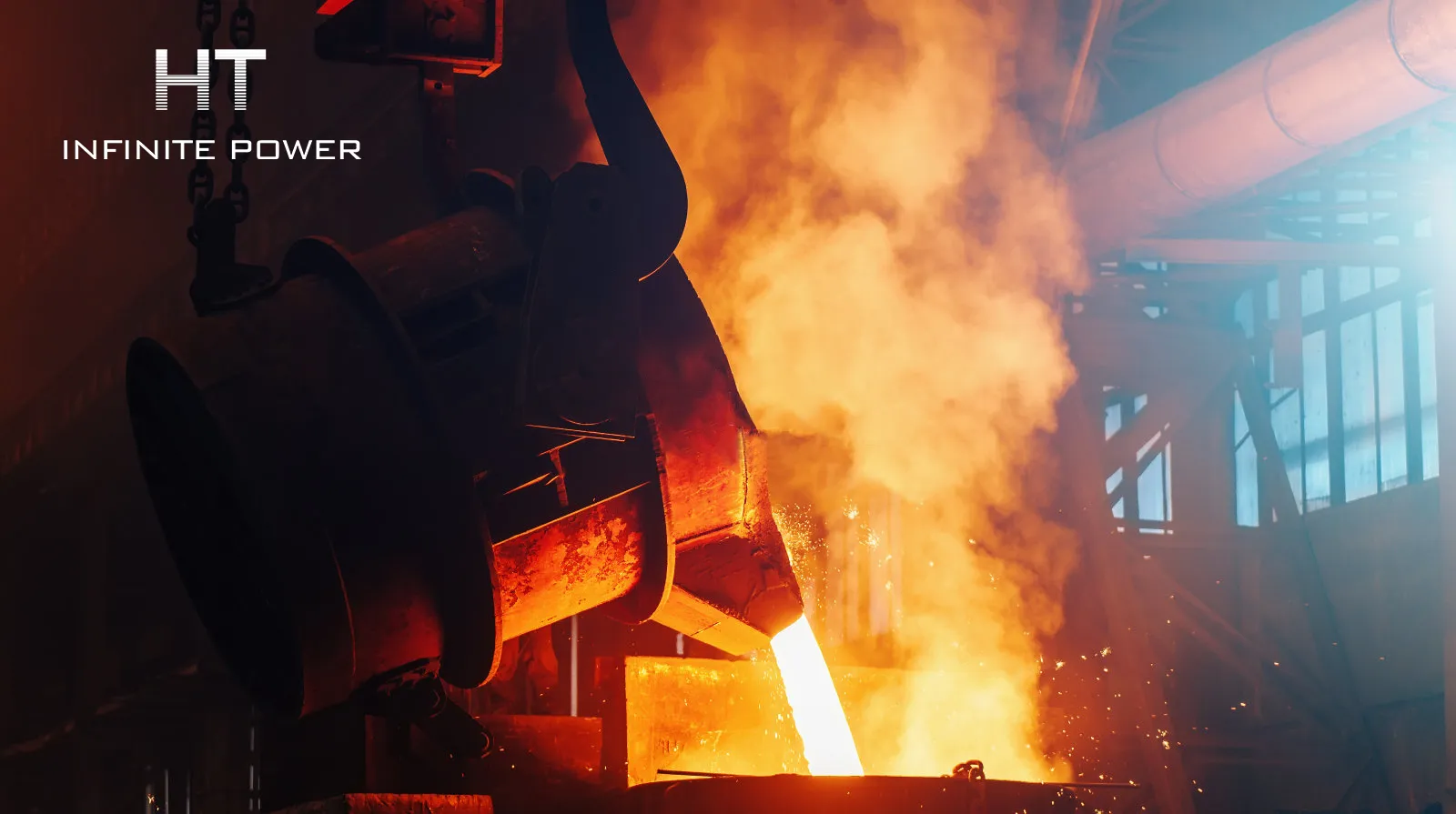
In the metallurgical industry, thermal energy storage systems can be used to improve production efficiency and reduce energy consumption. For example, converting waste heat generated in the production process into thermal energy and storing it, and then using it in the production process or other purposes, can improve energy utilization efficiency; at the same time, using thermal energy storage technology to process metal materials can improve material properties and production efficiency.
3. Chemical Industry
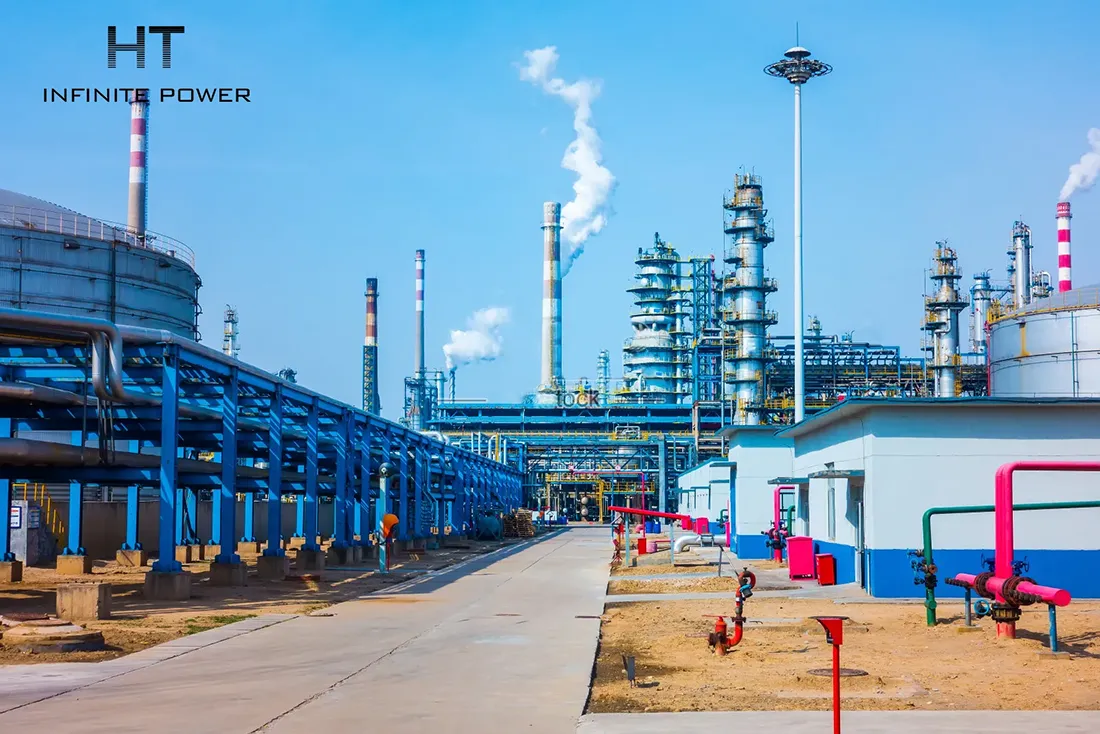
In the chemical industry, thermal energy storage systems can be used to optimize production processes and improve product quality. For example, using thermal energy storage technology to process chemical reactions can control the reaction process and improve product quality; at the same time, converting waste heat generated during the production process into thermal energy and storing it, which can then be used in the production process or for other purposes, can improve energy efficiency.
4. Construction industry
In the construction industry, thermal energy storage systems can be used to provide a comfortable living environment and develop green buildings. For example, using thermal energy storage technology to optimize the heating and cooling systems of buildings can improve the energy efficiency of buildings; at the same time, renewable energy such as solar energy can be converted into thermal energy for storage.
Future challenges of thermal energy storage systems
As the world continues to explore the potential of thermal energy storage systems, several challenges must be addressed to fully realize their benefits.
First
We need to develop efficient and cost-effective materials and technologies to store and release heat or cold. While several promising materials and technologies have been identified, further research and development is needed to bring them to market at competitive prices.
Second
We need to integrate thermal energy storage systems into existing energy infrastructure and markets. This requires not only technical solutions, but also regulatory and policy changes to ensure that thermal energy storage systems can compete fairly with other energy storage technologies and contribute to a more sustainable and resilient energy system.
However, this promising technology can play an important role in reducing greenhouse gas emissions and addressing climate change. By using renewable energy more efficiently and reducing the overall energy consumption for heating and cooling, industrial and commercial wastewater discharge systems can play a greater role.
Thermal energy storage systems are a key component of a sustainable energy future, but there are many challenges that need to be addressed to realize their value.
Hydrogen Energy Storage: The Future of Renewable Energy Solutions
What is flywheel energy storage system ?