Solid-state batteries and sodium-ion batteries: disruptors of future energy storage?
2025-03-28
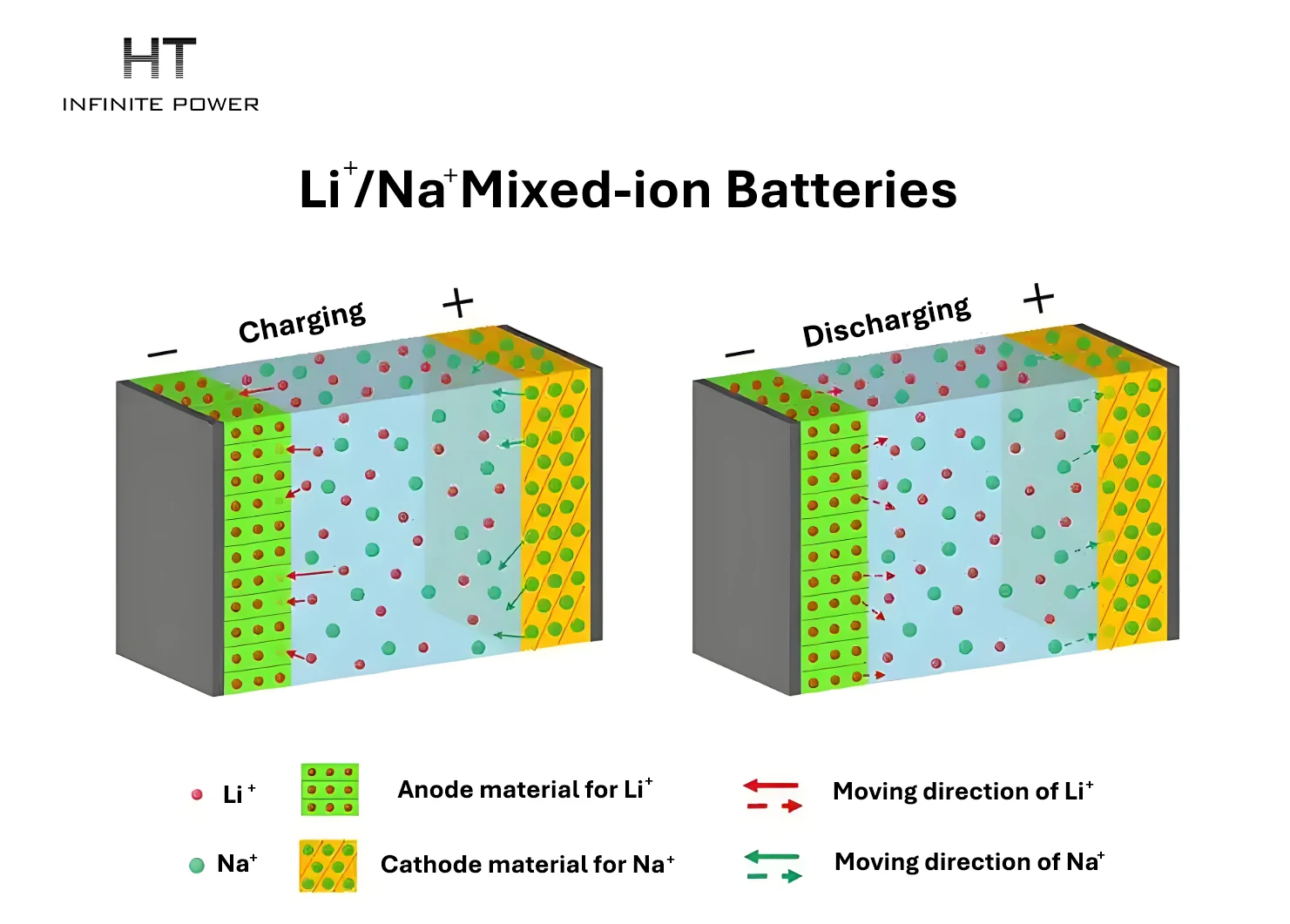
In the field of new energy, the progress of energy storage technology has attracted much attention, among which lithium batteries, sodium batteries, solid-state batteries and other technologies have become hot topics in industry research. With the vigorous development of the new energy vehicle market, the energy storage market has also ushered in unprecedented opportunities, attracting a large number of new energy companies and capital investment.
So, what are the differences between these different types of energy storage batteries? What are their respective advantages? Next, we will explore the differences between lithium batteries, sodium batteries, and solid-state batteries and their respective development prospects.
1.Lithium-Ion Batteries
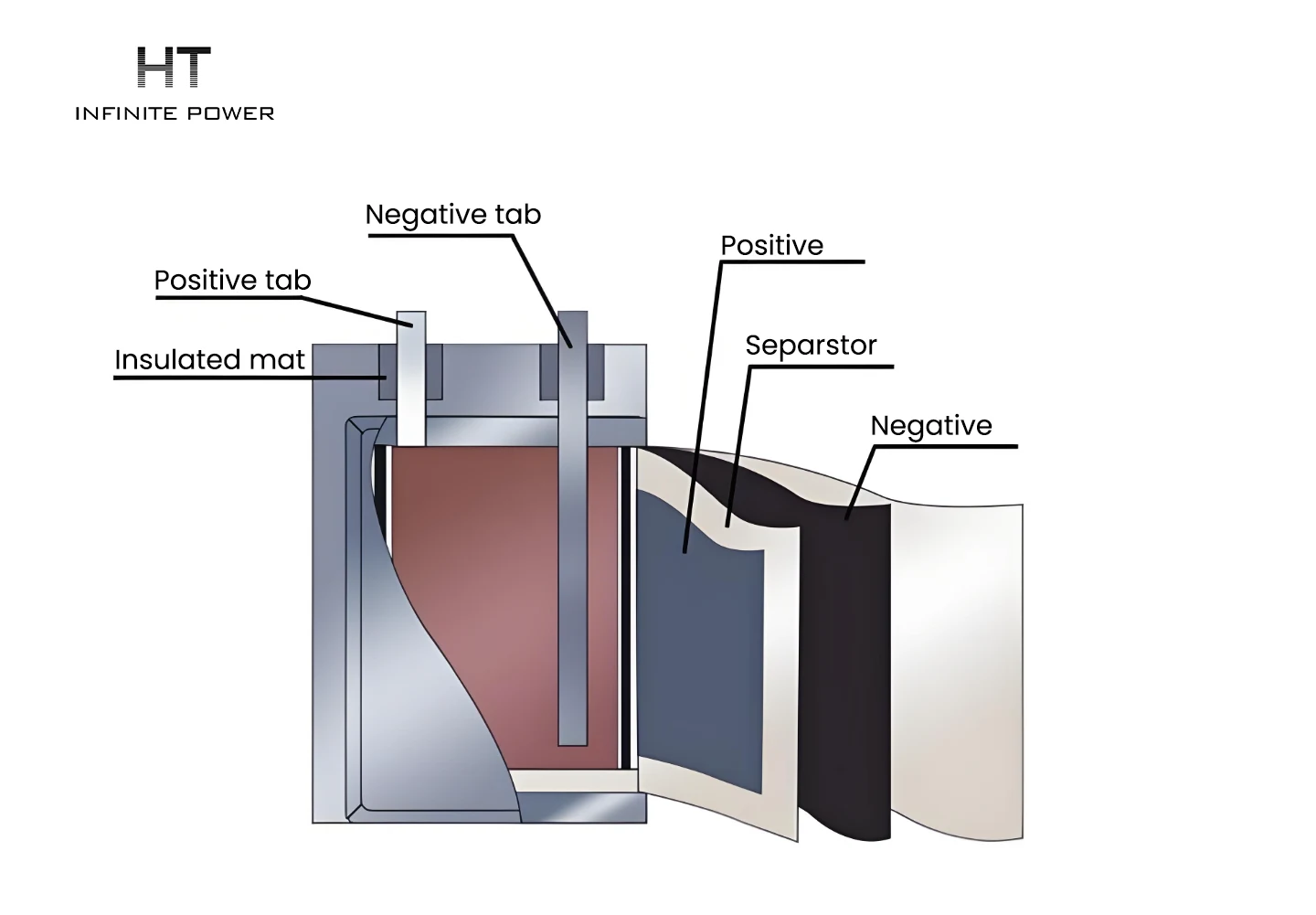
Lithium-ion batteries are the most widely used energy storage technology. Their core components include positive and negative electrode materials, electrolyte solutions, separators, and electrolyte additives. This battery technology is widely favored for its high energy density, long life, and environmentally friendly characteristics.
Lithium battery, a solid or liquid battery with lithium metal or lithium alloy as negative electrode material and organic electrolyte, has occupied a place in the field of new energy vehicles with its excellent performance. It not only has high energy density and high specific capacity, but also has high self-discharge rate and long cycle life. These advantages make lithium batteries shine in applications such as electric bicycles.
(1).Advantages of Lithium-Ion Batteries
-
High energy density and long cycle life.
-
Environmentally friendly.
-
Widely used in electric bicycles and new energy vehicles.
2.Disadvantages of Lithium-Ion Batteries
However, it also has significant disadvantages, especially the inability to withstand excessively high temperatures. Once the temperature exceeds 50°C, the lithium battery is at risk of explosion; if the temperature further rises to 80°C, it may cause spontaneous combustion. In addition, the charging and discharging efficiency of lithium batteries will be significantly reduced in low temperature environments, which requires that new energy vehicles used in cold areas must be equipped with special charging equipment.
At present, the mainstream lithium battery types in the electric vehicle field include ternary lithium batteries and lithium manganese oxide batteries. Among them, ternary lithium batteries have become the most mature and widely used power batteries due to their excellent energy density and cycle life. However, the high price of raw materials has also pushed up its cost accordingly, which has restricted its further development to a certain extent.

3.Sodium-Ion Batteries
In contrast, sodium-ion batteries, as a new energy storage technology, show lower raw material costs, higher safety and energy density. Although its positive electrode material Prussian blue is currently unstable, resulting in the need to improve rate performance and cycle life, the application potential of sodium-ion batteries in portable electronic products, electric bicycles and other fields has gradually emerged. For example, CATL's "zero decay" battery and BYD's sodium battery system
4.Solid-State Batteries
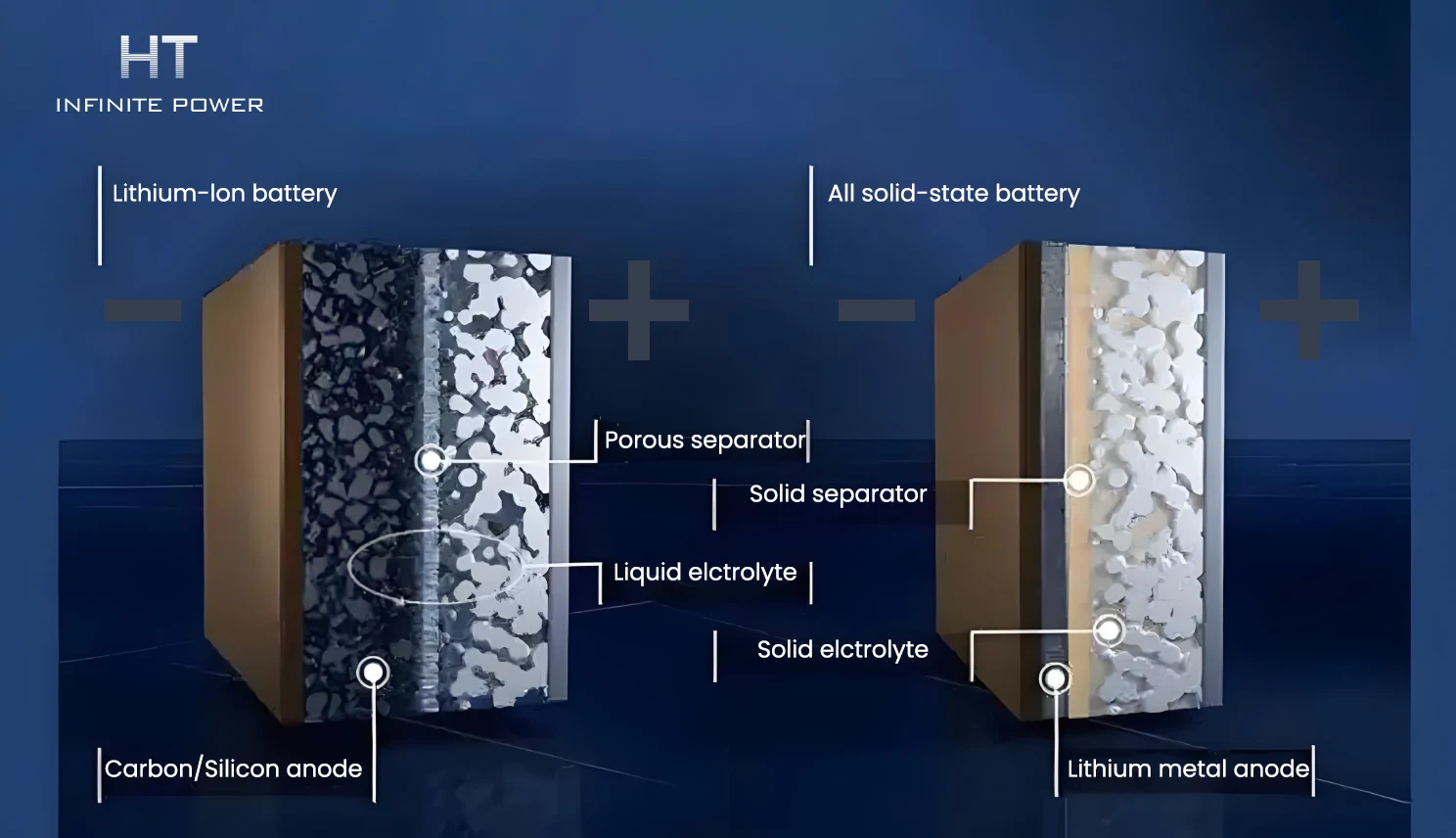
In addition, solid-state batteries, as a new type of battery technology, have also attracted much attention. It not only has high energy density, high safety and long life, but also has excellent low-temperature performance, providing a new direction for the development of future battery technology.
At present, solid-state battery technology is gaining increasing attention. With the widespread popularity of new energy vehicles, solid-state batteries have ushered in unprecedented development opportunities. As a kind of energy storage battery, solid-state batteries not only significantly improve the energy density of lithium-ion batteries and extend their service life, but more importantly, they also significantly reduce safety hazards. In addition, solid-state batteries also show significant advantages in production costs and carbon emissions. Looking ahead, solid-state lithium-ion battery technology is expected to be widely used in the next few years, although it still faces challenges such as technical barriers and material costs.
5.Challenges of Solid-State Batteries
Solid-state batteries, with their solid electrolyte characteristics, have high safety, high energy density and high stability. Despite this, the preparation process of solid-state electrolytes is still immature and still faces many challenges in practical applications. At present, the research and development of solid-state batteries mainly focuses on reducing material costs, simplifying preparation processes and optimizing electrochemical performance.
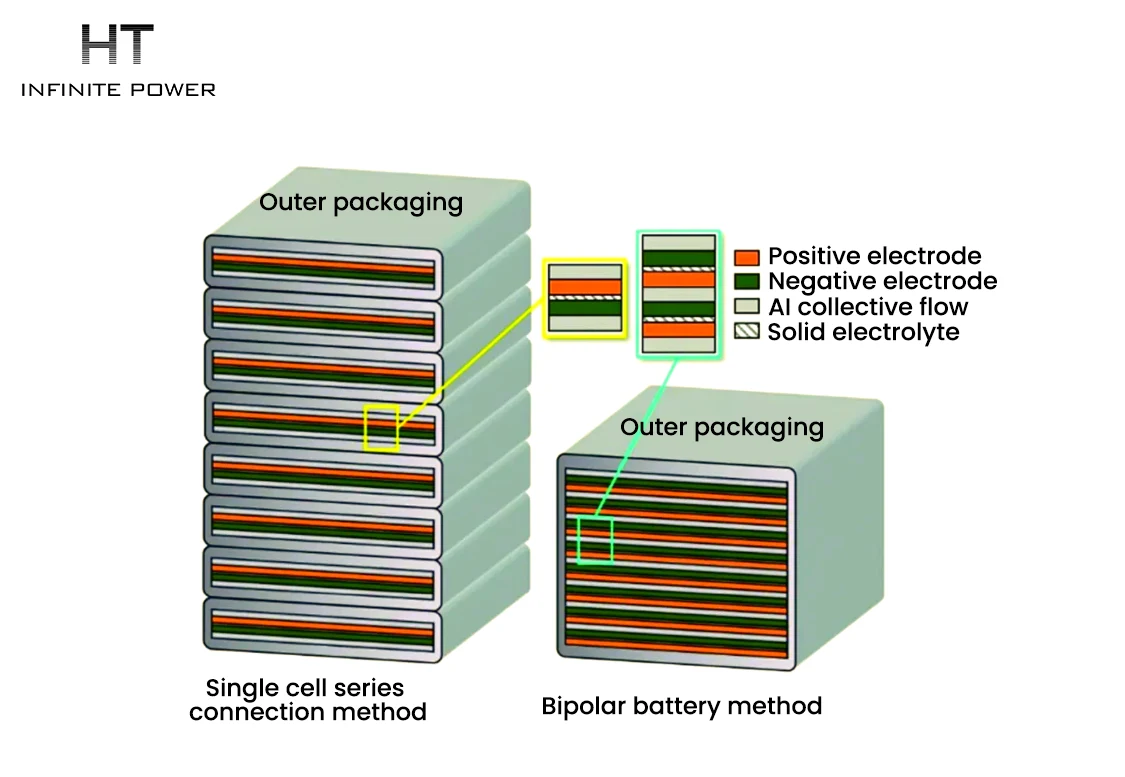
6.The Future of Sodium-Ion and Solid-State Batteries
At the same time, sodium-ion batteries, as a new energy storage technology, have gradually entered people's field of vision. Sodium batteries, known as "second-generation sodium batteries", have shown potential to replace lithium batteries in many fields with their high energy density and low potential advantages. Especially in high-rate discharge, large-rate charge and discharge, and long-term cycle use, sodium batteries have shown significant advantages.
However, the defects and heterogeneity of lithium resources have restricted their application in the field of energy storage to a certain extent. But with the continuous advancement of science and technology and the vigorous development of new energy technologies, we have reason to expect that sodium-sulfur batteries, a new secondary battery technology, will be more widely promoted and applied in the field of new energy vehicles.
7.Sodium-Ion Batteries: Working Principle and Applications
Sodium-ion batteries, also known as sodium batteries for short, work in a similar way to lithium-ion batteries. But it is worth mentioning that the working environment and temperature range of sodium-ion batteries are closer to those of lithium-ion batteries. This new battery technology uses sodium as the positive electrode material and achieves electrical energy conversion by storing and releasing sodium ions. Compared with lithium-ion batteries, it is not only cheaper and has better low-temperature performance, but also has abundant sodium resources, which provides strong support for large-scale applications.
Since sodium resources are widely distributed in the earth's crust and have considerable reserves, sodium batteries have great potential for future development. However, the chemical activity of sodium also brings challenges. For example, side reactions during the cycle process may lead to shortened battery life and capacity decay. Therefore, improving material stability and extending cycle life have become the key to the development of sodium batteries. At present, many companies such as Zhongke Haina and Gotion-tech are actively researching sodium-ion batteries. Although issues such as cost and safety have yet to be resolved, commercial applications are just around the corner.
Conclusion

In the field of energy storage, technologies such as lithium batteries, sodium batteries and solid-state batteries have attracted much attention. Overall, solid-state batteries and sodium batteries are important directions for the future development of the lithium battery industry.
Solid-state batteries have the advantages of high energy density and long life, but bottlenecks such as conductivity, production equipment and cost still need to be solved.
Sodium batteries have the advantages of low cost and high safety, but their industrialization process has slowed down due to the plunge in lithium prices and imperfect supply chains.
In the future, with the advancement of technology and changes in market demand, both solid-state batteries and sodium batteries are expected to occupy an important position in the energy storage market. However, this process requires efforts in many aspects such as technological innovation, process optimization and market cultivation.
In 2025, the European and American energy storage markets will continue to grow strongly!
Ten development trends of new energy storage in 2025
Related Article