How do energy storage batteries overcome usage limitations in low temperature environments?
2025-06-13
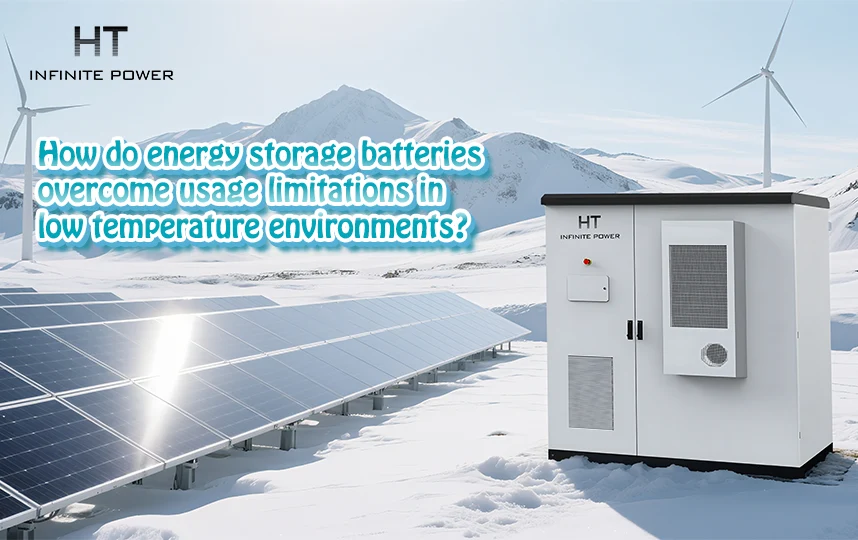
Why Low Temperatures Challenge Energy Storage Batteries?
Low temperature environment is a test of the performance of energy storage batteries. Do you know how energy storage power stations maintain normal operation in cold climates and whether they need additional protection?
Generally speaking, compliant energy storage batteries will clearly mark the temperature range in which they can operate safely, such as -28℃~50℃, but this is the operating temperature range, not the optimal performance range for battery operation. In short, it can indeed operate in this temperature range, but the efficiency is not as high as at the optimal operating temperature, and there is also the possibility of battery damage.
Therefore, it is also necessary to protect energy storage power stations from severe cold.
1. Problems and damage caused by low temperature
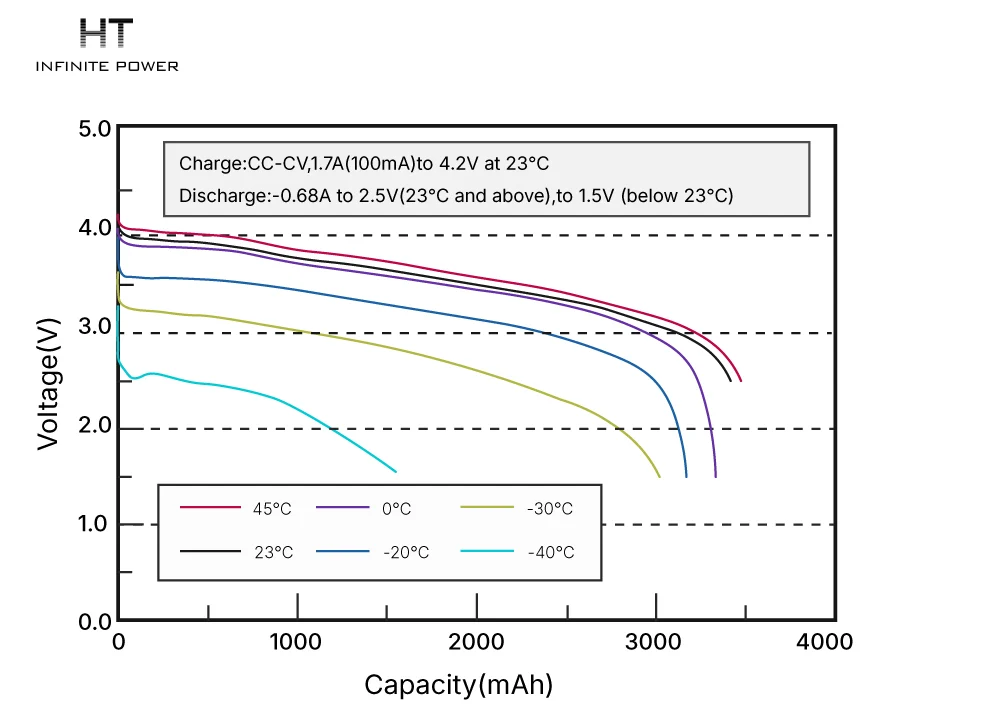
Take the most common lithium iron phosphate battery on the market as an example, its optimal operating temperature is around 25℃. In a low temperature environment, the molecular movement speed and transmission process in the battery slow down, the battery activity decreases, and its energy conversion efficiency decreases. The result is a decrease in the battery discharge capacity, and the charging capacity will also be affected to a certain extent, and the battery charging and discharging performance will decrease. In addition, long-term low-temperature operation may also accelerate the battery aging process and reduce the overall life.
In addition, continuous low-temperature operation slows down the molecular movement, and in severe cases, there is a chance of internal short circuit, causing more serious safety accidents.
Of course, energy storage battery safety technology is constantly improving. For example, lithium batteries have become increasingly high in low-temperature performance through technological innovation. For example, many flow batteries currently mentioned on the market have better ability to operate stably at a certain low temperature than lithium batteries.
2. Protection Methods for Cold Environments
In fact, in order to protect the safe operation of energy storage power stations, no matter what kind of battery system is currently equipped with insulation and temperature control systems in the energy storage cabin to monitor and maintain the operating temperature.
(1). Shell protection
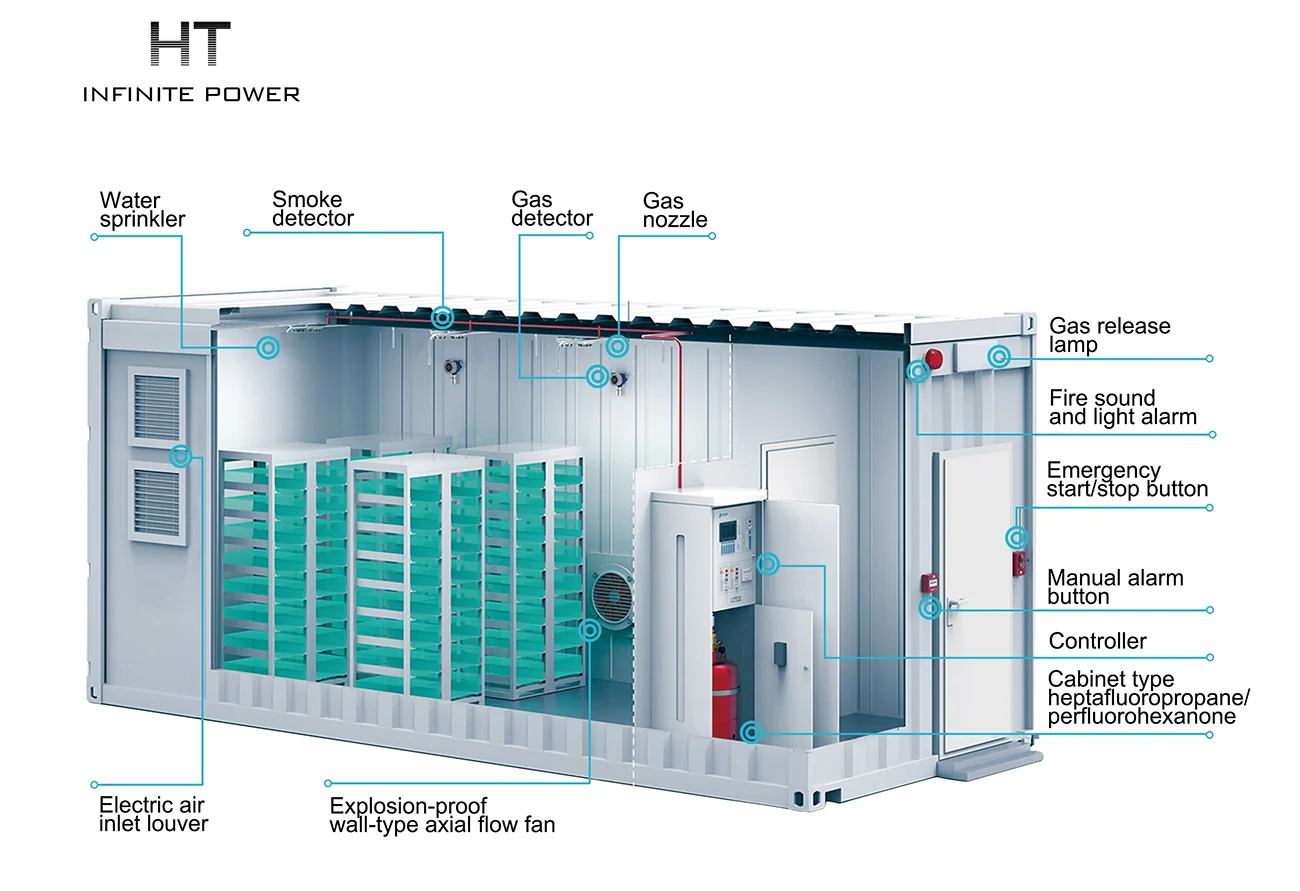
As a basic protection, high-performance insulation materials can be used in the equipment shell to prevent cold air from entering and heat from leaking out through sealed interfaces.
(2). Built-in system
According to actual needs, air conditioning systems, dehumidification systems, desiccant and other equipment systems are equipped in the cabin to ensure that the temperature and humidity of the battery operation are as close to the best operating environment as possible to protect the battery cycle life.
(3). Intelligent monitoring
Use meters such as temperature and humidity sensors to connect to the energy storage EMS, accurately monitor the temperature of the battery through the EMS, control the start and stop of the insulation system within a certain threshold, maintain the cabin temperature and a better operating environment. At the same time, the battery's charge and discharge status and health status are monitored through the EMS to prevent battery damage and maximize efficiency.
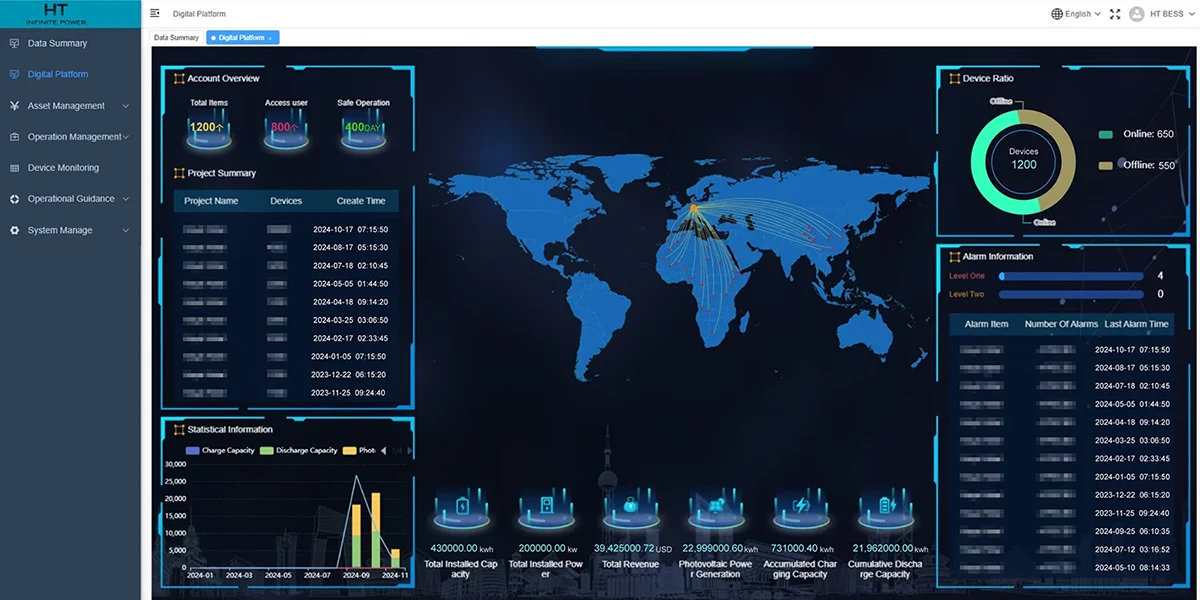
HT INFINITEPOWER's EMS can not only monitor the data of each device in the energy storage system, but also analyze and control the operation of each device more accurately through AI recognition. At the same time, through intelligent analysis, it can monitor abnormal conditions in equipment operation, warn of possible safety issues and issue timely warnings, thus curbing the occurrence and spread of problems as early as possible.
3. Technological innovation and future development of low-temperature batteries
The "extreme cold revolution" of lithium metal batteries
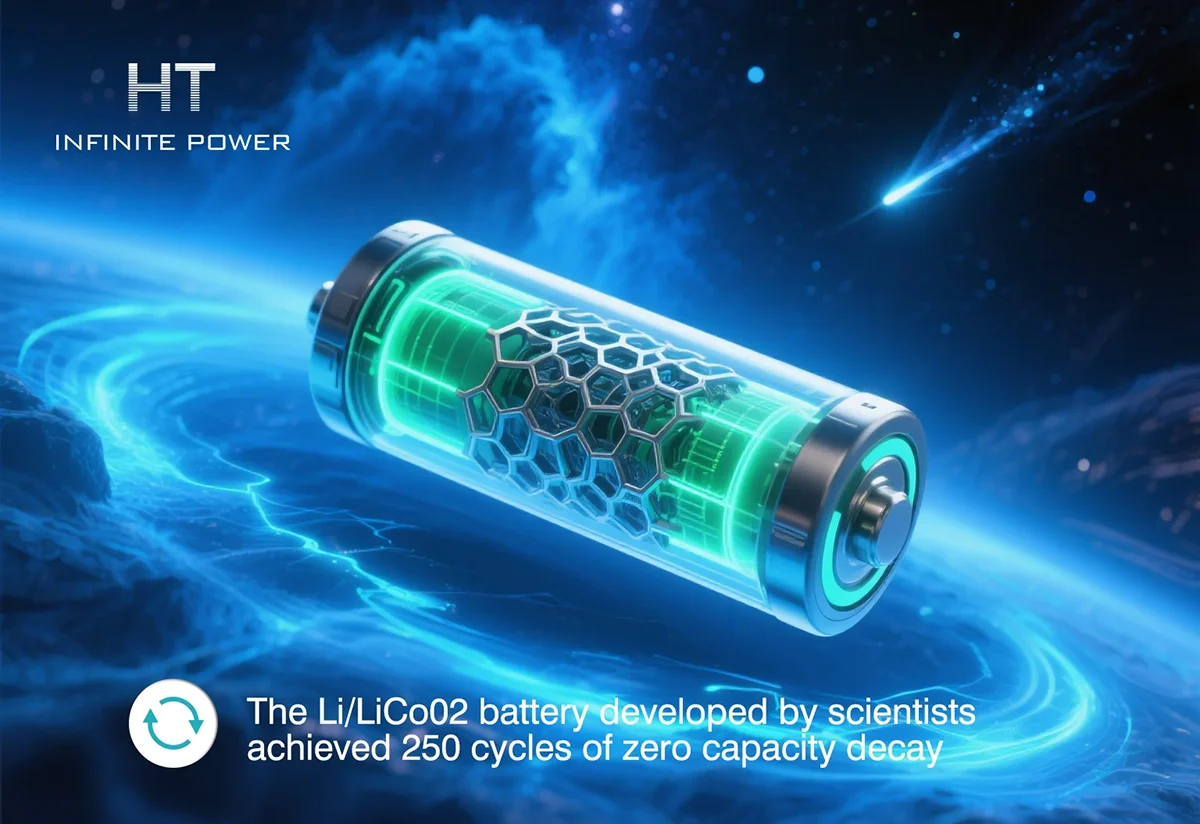
Interface engineering solves the dendrite dilemma.The porous metal-organic framework (MOF) modified with electron delocalized polar groups is introduced into the lithium battery to significantly regulate the desolvation behavior of lithium ions. In a low-temperature environment of -20℃, the Li/LiCo02 battery developed by scientists achieved 250 cycles of zero capacity decay.
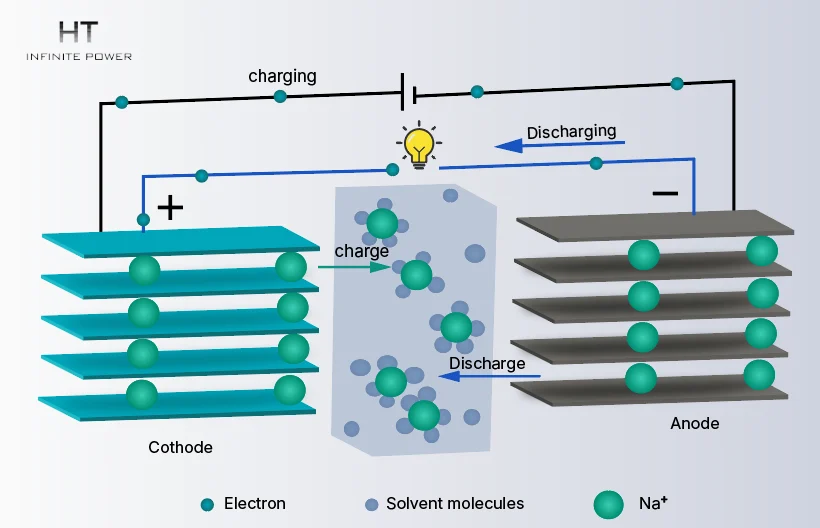
This technology inhibits side reactions through the Li3N-rich interface layer, providing key support for the application of lithium batteries in extremely cold environments. In the future, there is no need to worry about the battery being frozen "strike". This achievement has definitely opened a big door of hope for the practical application of low-temperature lithium metal batteries, allowing energy storage batteries to enjoy the convenience brought by technology in cold environments.
Sodium-Ion Batteries in Cold Environments
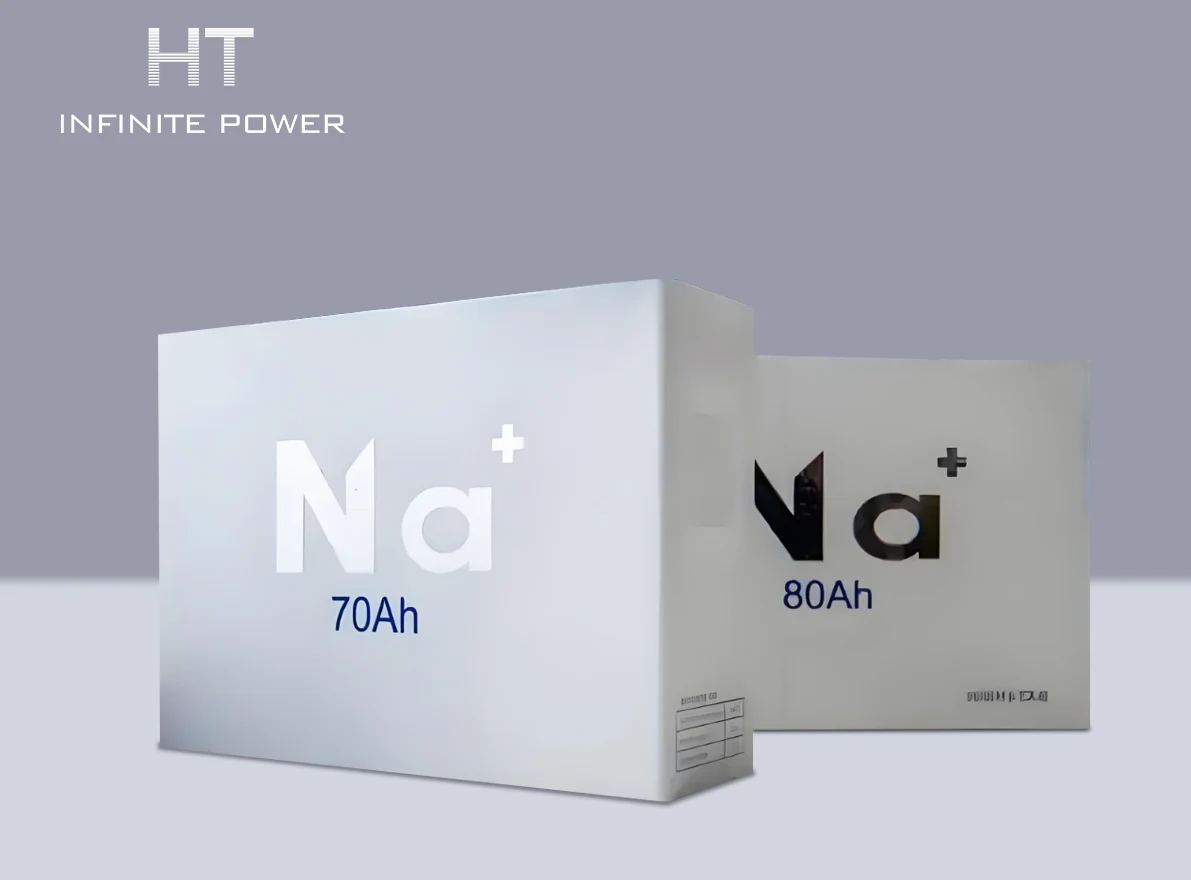
From electrolyte innovation to electrolyte design for 100-megawatt energy storage applications: Breaking through the traditional antifreeze limit.
The new low-concentration ether electrolyte developed by Wang Pengfei's team at Xi'an Jiaotong University achieves a positive and negative electrode capacity retention rate of over 92% at -30°C. This electrolyte is like putting on "warm clothes" for the battery, which greatly improves the ion transmission efficiency by stabilizing the electrode interface.
The new low-concentration ether electrolyte developed by Wang Pengfei's team at Xi'an Jiaotong University achieves a positive and negative electrode capacity retention rate of over 92% at -30°C. This electrolyte is like putting on "warm clothes" for the battery, which greatly improves the ion transmission efficiency by stabilizing the electrode interface.
In addition, scientists have proposed a "low eutectic temperature + strong supercooling capability" design strategy and developed an extremely low-temperature aqueous electrolyte that allows sodium batteries to still light up LED lights at ultra-low temperatures of -85°C. The energy density reaches 80Wh/kg and the cycle life is as high as 5,000 weeks. This has pushed the battery's "cold resistance" to its fullest.
Electrode material optimization
Qiu Xia's team at China University of Mining and Technology deeply analyzed the low-temperature performance bottleneck of hard carbon anode, optimized the ion diffusion path through pore structure engineering, and effectively improved the low-temperature capacity retention rate of the whole battery. CATL's second-generation sodium-ion battery adopts the polyanion technology route, with an energy density of 175Wh/g and low-temperature resistance of -40℃. It is planned to be mass-produced and installed by the end of 2025. In the future, low-speed electric vehicles in some cold areas may be able to use this "antifreeze" battery.
Lithium-Sodium Complementarity and Technical Route Selection
Lithium batteries have an advantage in high-energy demand scenarios such as electric vehicles due to their high energy density (175Wh/kg for CATL's new sodium battery vs 180-200Wh/kg for lithium iron phosphate). Sodium batteries are more suitable for large-scale energy storage, low-speed electric vehicles and applications in congested areas due to their low cost (20-30% lower than lithium batteries), wide temperature range (-40℃ to 80℃C), and high safety.
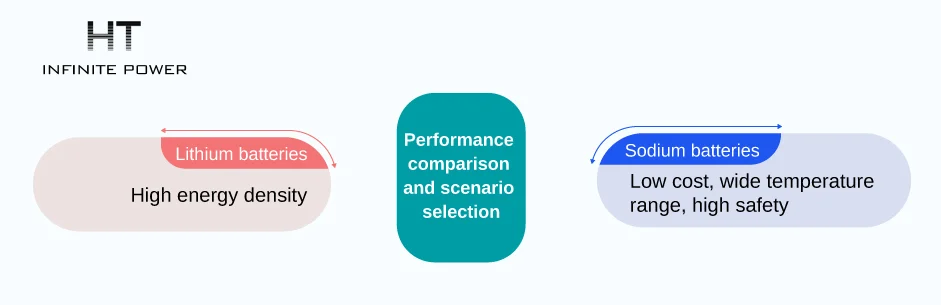
Simply put, lithium batteries are "performance leaders" and sodium batteries are "cost-effective kings"
Industrialization Race: From Laboratory to Commercial Landing
Lithium battery companies have made cross-border layouts. BYD's 200Ah sodium battery outperforms lithium iron phosphate at -30℃, and the energy density of Zhongke Haina's new generation of products exceeds 165Wh/kg. With the help of capital and policies, the scale of sodium battery energy storage bidding in 2024 will reach 0.45GWh, and the shipment volume is expected to exceed 4.5GWh in 2025 and exceed 30GWh in 2030. The industrialization process of low-temperature batteries is pressing the "accelerator"
Future Challenges and Technical Bottlenecks
Lithium batteries still need to solve the problems of electrolyte solidification and interface impedance surge at ultra-low temperatures. Sodium batteries need to break through the kinetic limitations of hard carbon negative electrodes and develop positive electrode materials with higher energy density. The scientific research team still has many problems to solve.
Collaborative innovation in the industrial chain
Establish a sodium-only supply chain (such as sodium iron sulfate cathode materials) to reduce dependence on lithium-ion battery equipment. At the same time, promote the development of lithium-sodium hybrid battery (AB battery) technology, taking into account energy density and cost advantages, and take battery technology to a higher level.
Extreme environment verification
In the future, field tests will need to be carried out in Antarctic research stations, plateau base stations and other scenarios to verify the reliability of batteries below -60°C and in drastic temperature changes, to ensure that these "cold-resistant" batteries can truly withstand the test of extreme environments.
Selection and application analysis of high-voltage and low-voltage lithium battery energy storage systems
Integrated and Split Energy Storage Systems Explained and Compared