How to extend the service life of energy storage batteries?
2024-09-02

In order to effectively improve the power and voltage fluctuations generated by photovoltaic and wind power connected to the grid and independent operation, it is often solved by integrating energy storage to form a microgrid. At present, batteries are the most common energy storage in microgrids. While energy storage batteries effectively ensure the stability of microgrid operation, their life is accelerated due to irregular charging and discharging. Batteries often fail before the planned energy storage cycle, resulting in increased energy storage costs.
This article explains how to extend the service life of energy storage batteries from the two perspectives of use and design of energy storage batteries to ensure that we can fully utilize their functions and obtain the best cost-effectiveness.
I: The impact of the use of energy storage batteries on service life
The life of energy storage batteries depends on many factors, but some measures can be taken during use to extend their service life. The following are some methods that can be taken:
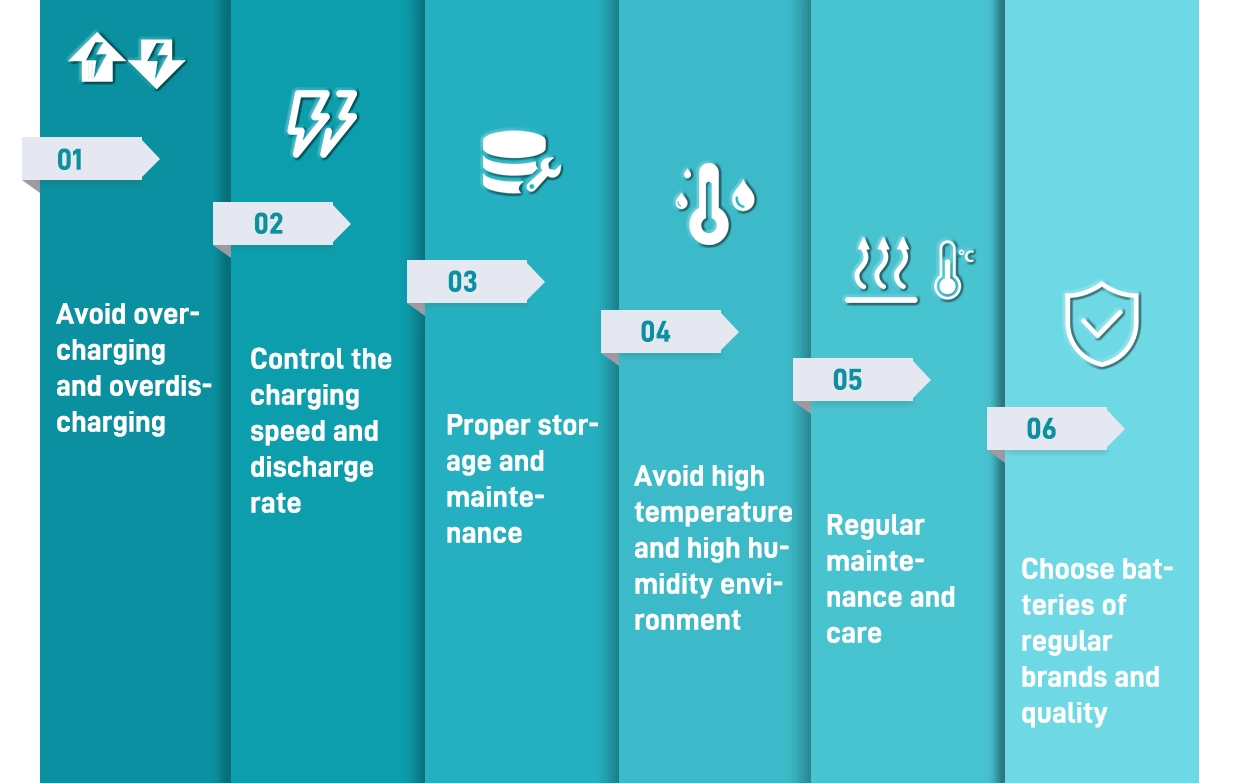
1. Avoid overcharging and overdischarging:
Overcharging and overdischarging will cause damage to the internal materials of the battery and shorten the battery life. Therefore, it should be avoided to exceed the capacity limit of the battery during charging and discharging.
2. Control the charging speed and discharge rate:
Charging too fast or discharging too high will damage the battery. Therefore, appropriate chargers and discharge equipment should be used to control the charging speed and discharge rate.
3. Proper storage and maintenance:
When the energy storage battery is not in use, it should be stored in a dry place with moderate temperature. Regularly check the appearance and charging status of the battery, and deal with and replace the battery in time if any abnormality is found.
4. Avoid high temperature and high humidity environment:
High temperature and high humidity environment will affect the performance and life of the battery. Therefore, energy storage batteries should be avoided in high temperature and high humidity environments.
5. Regular maintenance and care:
Regular maintenance and care of energy storage batteries, including cleaning the appearance, checking connectors, etc., can extend the service life of the battery.
6. Choose batteries of regular brands and quality:
Choosing batteries of regular brands and quality can ensure the quality and performance of the batteries and extend the service life of the batteries.
In short, to extend the service life of energy storage batteries, it is necessary to consider and maintain them from multiple aspects. Correct use and maintenance methods can effectively improve the life and reliability of energy storage batteries.
II: The impact of energy storage battery design on service life
1. Factors affecting the service life of energy storage batteries
Temperature:
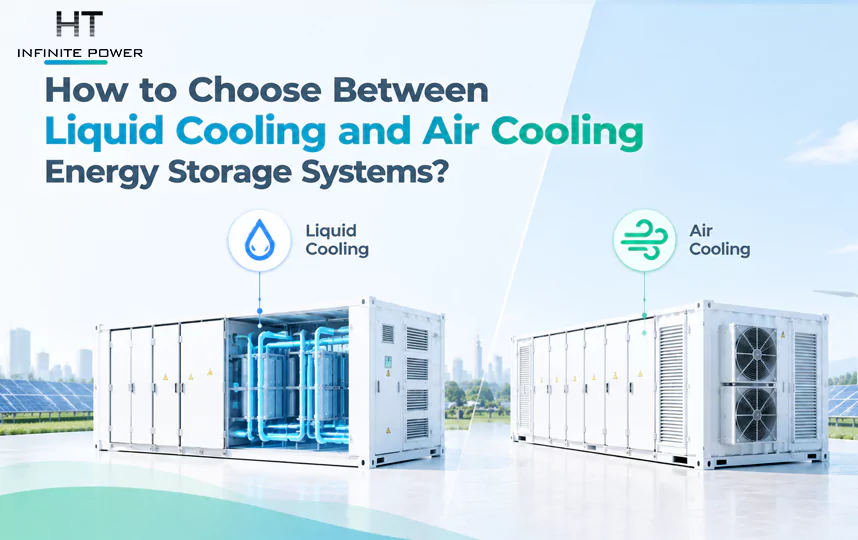
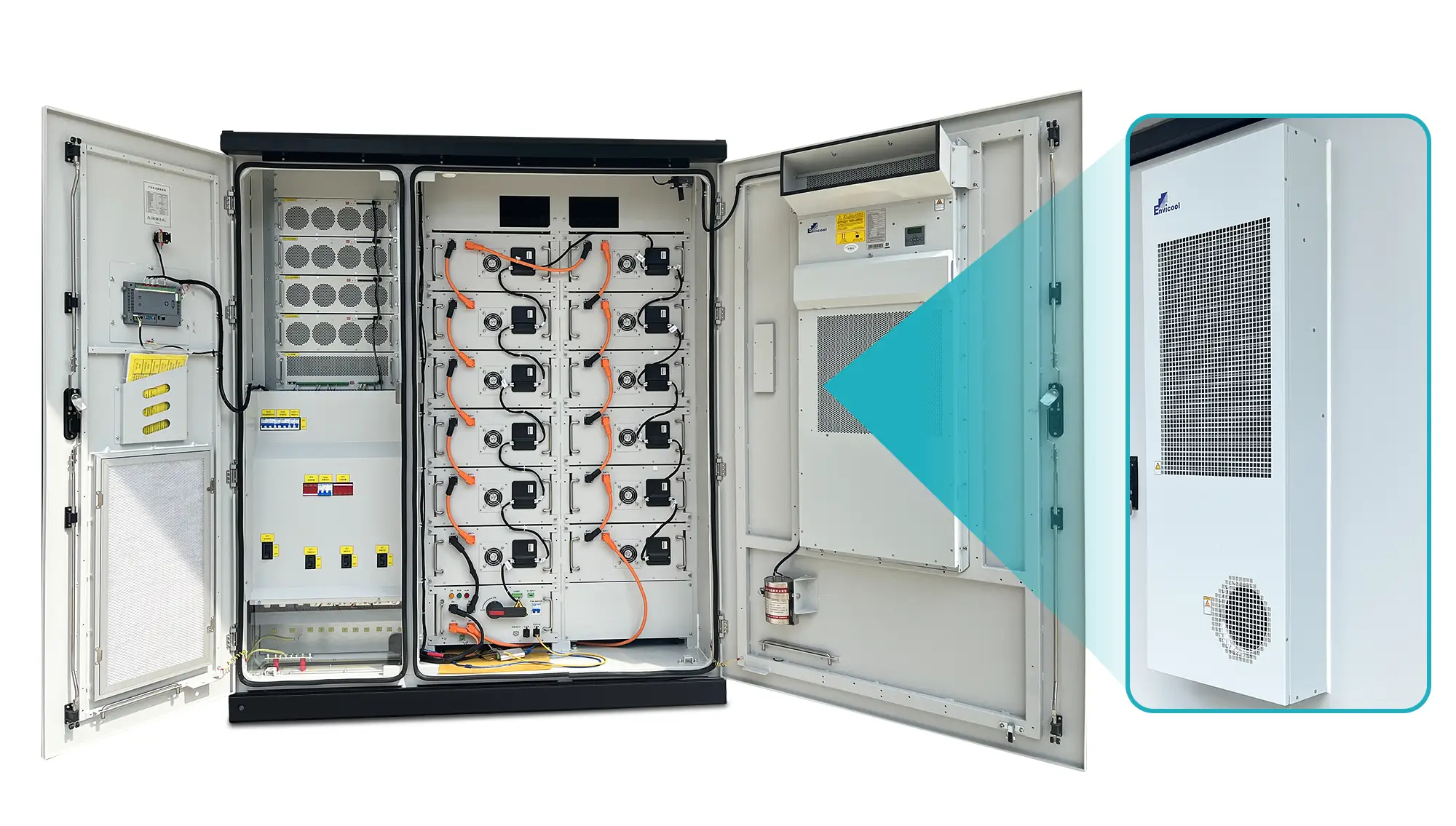
• Too high temperature will accelerate battery aging, and too low temperature will reduce battery capacity and power. Energy storage batteries need to reasonably control the operating temperature range to avoid extreme temperature conditions. Excessive temperature gradient will cause battery inconsistency to increase, and the thermal management system design needs to be optimized to reduce the temperature difference between the inside and outside of the battery cluster. For example, many energy storage cabinets now use air conditioning or liquid cooling to adjust the temperature of the energy storage system in real time to ensure that the energy storage battery always works at the most suitable temperature (about 25 degrees Celsius).
Charge and discharge rate:
• High rate charge and discharge will aggravate the volume change and structural damage of the electrode material, and reduce the cycle life of the battery. Energy storage batteries need to strictly control the maximum charge and discharge rate. It is generally recommended to set the energy storage battery charge and discharge current to 60% of the maximum charge and discharge current during normal use.
• Use a peak power reduction strategy to control the impact of instantaneous large current on the battery through PCS
State of Charge (SOC) Window:
SOC, or State of Charge, refers to the state of charge of the battery, that is, the remaining power. It represents the ratio of the remaining available power to the power in the fully charged state after the battery has been used or stored for a period of time.
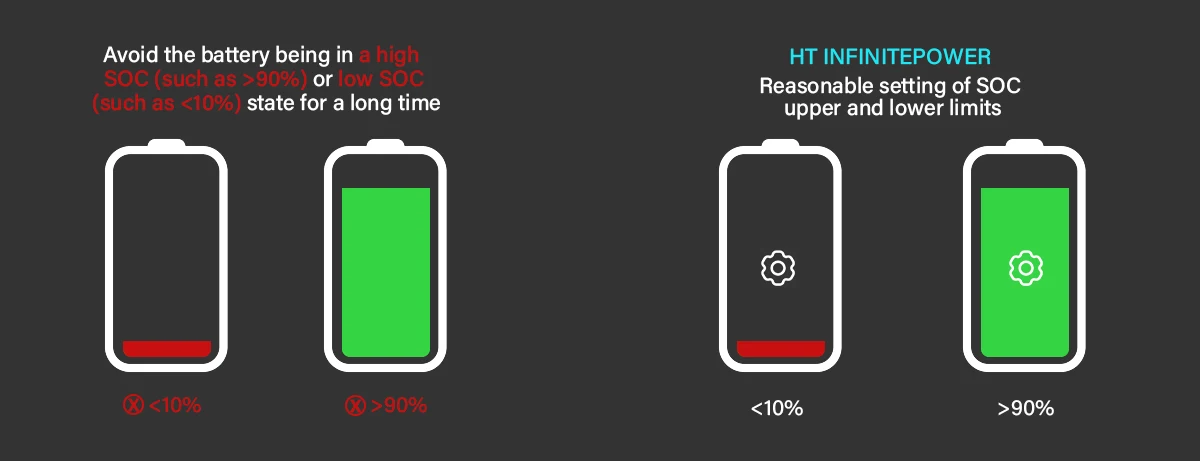
• Avoid the battery being in a high SOC (such as >90%) or low SOC (such as <10%) state for a long time, which will accelerate side reactions such as electrolyte decomposition and electrode damage.
• Reasonable setting of SOC upper and lower limits, such as 10%-90%, can provide sufficient available capacity while ensuring the service life of the battery. The HT INFINITEPOWER energy storage system sets the discharge cut-off capacity to 10% and the discharge depth to 90%. Maximize the protection of the battery health state and extend the service life of the energy storage battery.
Mechanical stress:
• The electrode material will undergo volume changes during long-term charge and discharge cycles, generating mechanical stress, leading to structural damage and capacity attenuation.
• Reasonable control of the thickness and porosity of the electrode sheet, and the use of flexible current collectors and binders can effectively alleviate mechanical stress.
2. Effective ways to extend the service life of energy storage batteries
Strengthen battery screening and matching:
• Carry out comprehensive factory screening and performance testing of batteries, eliminate unqualified batteries, and improve battery batch consistency.
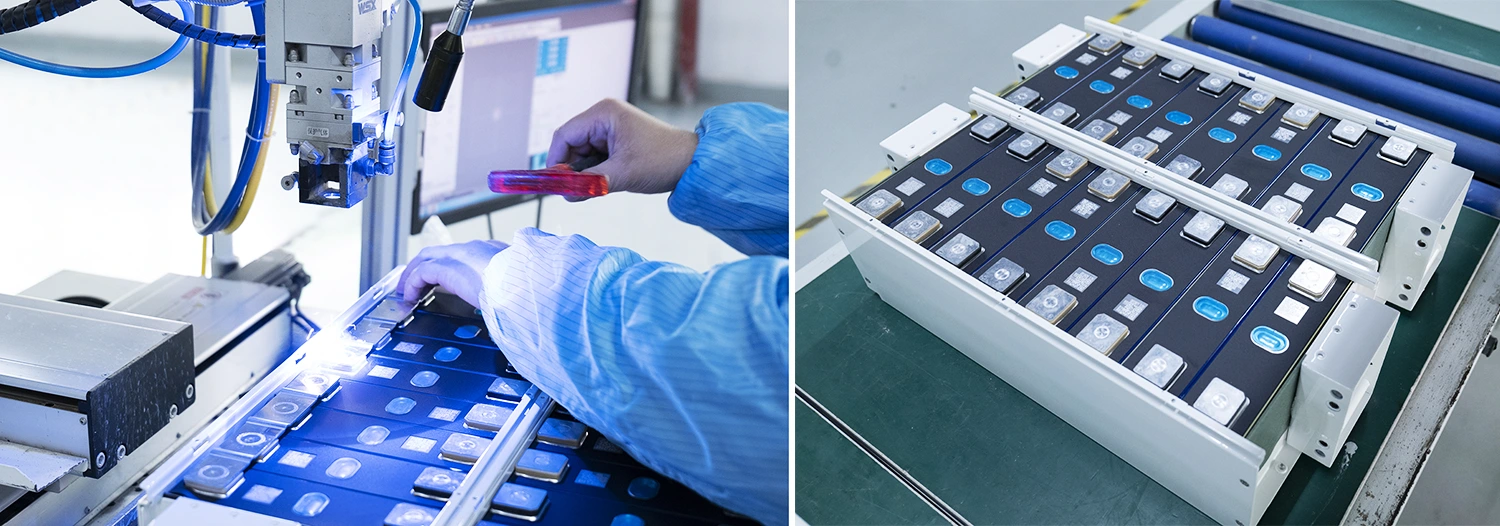
• Use intelligent sorting technology to match batteries with similar performance to form battery clusters and reduce performance differences between cells.
HT INFINITEPOWER energy storage batteries all use new A-grade cells produced within 3 months. Before assembly, all cells are re-capacitated and matched to ensure the consistency of all cells.
HT INFINITEPOWER energy storage batteries all use new A-grade cells produced within 3 months. Before assembly, all cells are re-capacitated and matched to ensure the consistency of all cells.
Optimize battery management strategy:
• Avoid overcharging and over-discharging of batteries, and control reasonable charging cut-off voltage and discharge cut-off voltage.
• Use intelligent balancing technology to adjust the voltage and SOC of each single cell in real time to reduce inconsistency.
• Implement battery health diagnosis and early warning throughout the life cycle to promptly discover and handle problematic batteries.
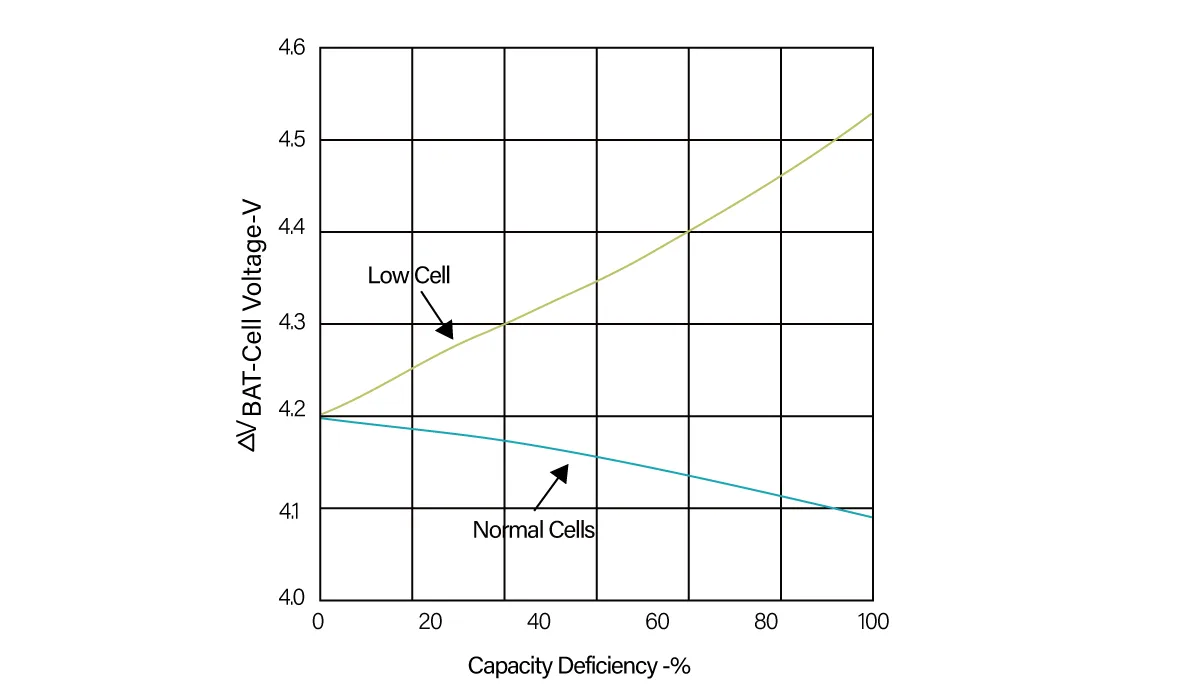
When multiple batteries are used in series or parallel in a battery pack, the difference in battery voltage is the most typical manifestation of imbalance. In both cases of SOC or total capacity imbalance, the battery with a higher SOC is exposed to a higher voltage. For example, if one battery has less capacity than the other three connected in series in the pack, what will happen if they all start at the same state of charge? CC/CV (constant current/constant voltage) charging will bring the pack to 4.2x4=16.8V (typical). However, the voltages of the individual cells will not be equal. As shown in Figure 5 below, the voltage of the "low capacity" battery will be much higher than the rest of the batteries, while the voltage of the normal capacity battery will have a lower voltage than when charged normally. When the total capacity is less than 10%, its battery voltage starts to rise to the dangerous area above 4.3 V, which will cause additional degradation of this battery and even become a safety issue.
The impact of battery degradation caused by imbalance is automatically accelerated. Once the battery's capacity is low, it is exposed to higher and higher voltages during charging, causing it to degrade faster, making its capacity even smaller, thus closing the runaway cycle. In order to eliminate the impact of this imbalance on the safety and life-shortening effects of the energy storage battery, HT INFINITEPOWER equips the energy storage battery with an active balancing board that can automatically identify the voltage and internal resistance differences of each cell, intelligently balance the energy storage battery, and ensure the consistency of the energy storage battery.
Improve battery thermal management:
• Excessive temperature differences within and between battery clusters will aggravate battery aging and reduce reliability. A reasonable thermal management system needs to be designed to reduce temperature differences and control the optimal operating temperature range.
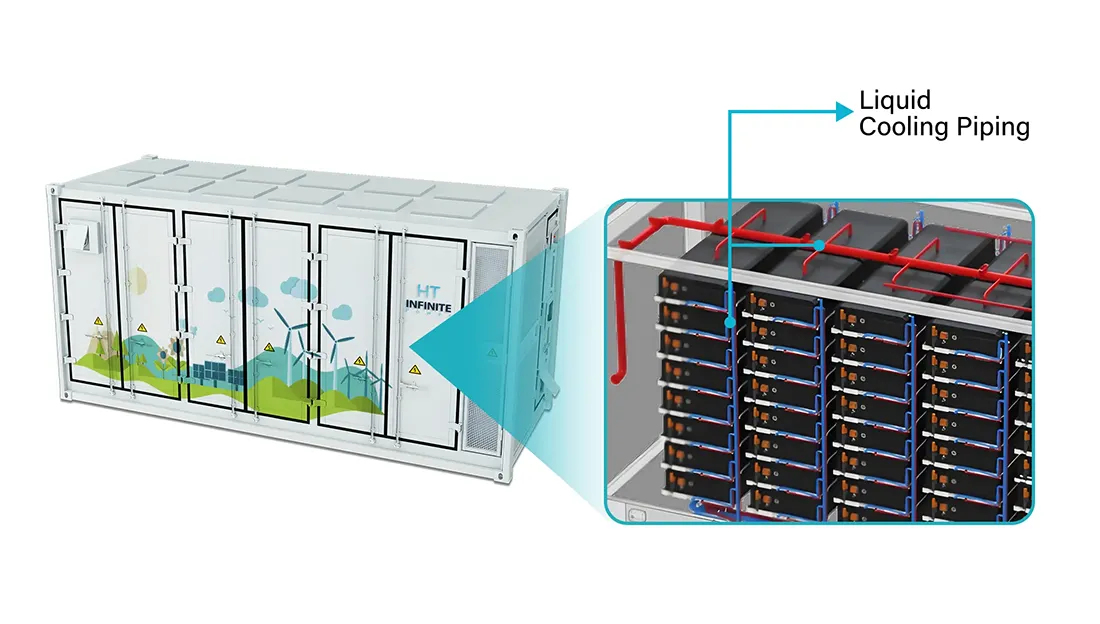
• Use advanced thermal management technologies such as liquid cooling and phase change materials to improve heat dissipation efficiency and reduce the risk of thermal runaway. (Insert a liquid cooling cabinet here, spit out to show the liquid cooling pipeline, and mark it on the diagram)
• Combined with real-time temperature monitoring, thermal runaway warning and protection for the battery.
Strengthen battery protection and maintenance:
• Energy storage batteries are exposed to outdoor environments for a long time, and reliable protection measures are required. Use high-level protective shells to prevent rain, dust, etc. from intrusion, and meet the requirements of waterproof, dustproof, and corrosion-resistant.
• Regularly perform routine inspections and maintenance on energy storage batteries, including cleaning, tightening, insulation testing, etc., to eliminate potential safety hazards.
• Establish an accident emergency plan and configure necessary fire protection, monitoring and other safety facilities to minimize the risk of accidents.
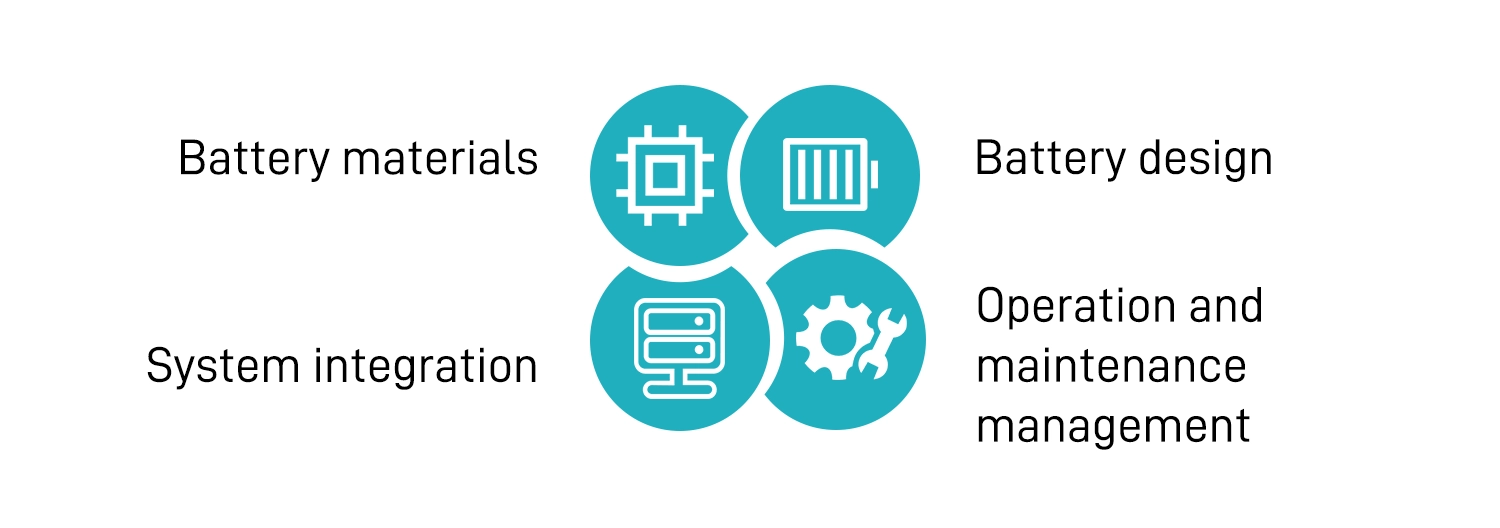
The cycle life and reliability of energy storage system batteries are key factors affecting the technical and economic feasibility of energy storage projects. Improving the cycle life and reliability of batteries requires comprehensive optimization of battery performance and usage conditions from multiple aspects, including battery materials, battery design, system integration, and operation and maintenance management.
What is a photovoltaic combiner box and its function
Which battery is best for energy storage?