Fast-Ramp Battery Packs: Design for High C-Rate Industrial Use
2025-11-06

Why Ramp Speed Is Becoming the New Competitive Metric
Industrial energy storage is no longer just about storing energy — it’s about delivering it instantly. Factories running continuous processes, high-speed manufacturing lines, and microgrids with volatile renewable inputs cannot tolerate even milliseconds of delay. Here, the speed at which a battery pack can ramp up or down — its C-rate performance — is more critical than sheer capacity.
For operators, a fast-ramp pack isn’t a luxury; it’s insurance. Rapid response mitigates power dips, stabilizes frequency, and prevents production losses. Economically, the faster a system reacts, the higher its value — a factor that is increasingly defining supplier selection in global markets.
The Anatomy of a Fast-Ramp Battery Pack
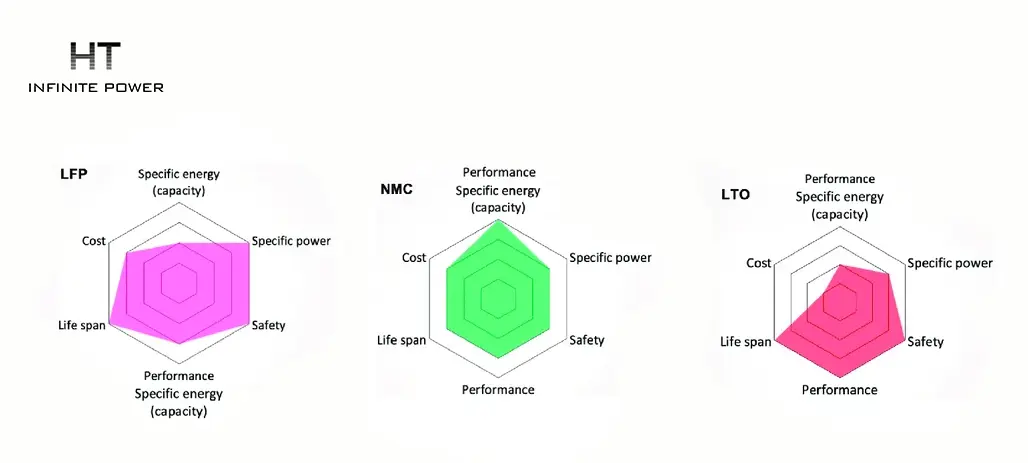
A high C-rate battery pack is a finely tuned system where chemistry, electronics, and thermodynamics converge. The first decision point is the cell chemistry. Lithium iron phosphate (LFP) offers thermal stability and long cycle life, whereas NMC and LTO excel in pulse power density. Each choice involves trade-offs between speed, lifespan, and cost.
Thermal management becomes paramount. At high discharge rates, cells generate intense localized heat. Engineers implement microchannel cooling, vapor chambers, or forced convection systems to keep temperature deviations within a few degrees Celsius. Even a minor thermal imbalance can reduce performance or accelerate degradation.
The BMS (Battery Management System) and EMS (Energy Management System) orchestrate the pack. Beyond monitoring, they actively predict load surges, pre-balance cell voltage, and adjust discharge profiles in milliseconds. The intelligence embedded in these systems separates a competent high C-rate pack from a fragile one.
Engineering for High C-Rate: Balancing Power, Safety, and Lifespan
Designing for high C-rate is not about pushing raw power — it’s about maintaining reliability under stress. Conductors and busbars must minimize internal resistance while withstanding repeated high-current pulses. Advanced welding and tabbing techniques are crucial to reduce voltage drops and hotspots.
Repeated high C-rate cycles inevitably accelerate degradation. The design challenge is to balance peak performance with longevity. Safety features like redundant sensors, thermal cutoffs, and fault isolation modules ensure that the system can absorb short bursts without catastrophic failure.
From EV Roots to Industrial Ground: Technology Migration
Many fast-ramp innovations stem from electric vehicle (EV) research. EV packs are designed for rapid acceleration and regenerative braking; their high C-rate experience informs industrial applications. However, industrial loads differ — the peak currents can be sustained for longer durations, and environmental factors such as dust, vibration, and temperature swings add complexity.
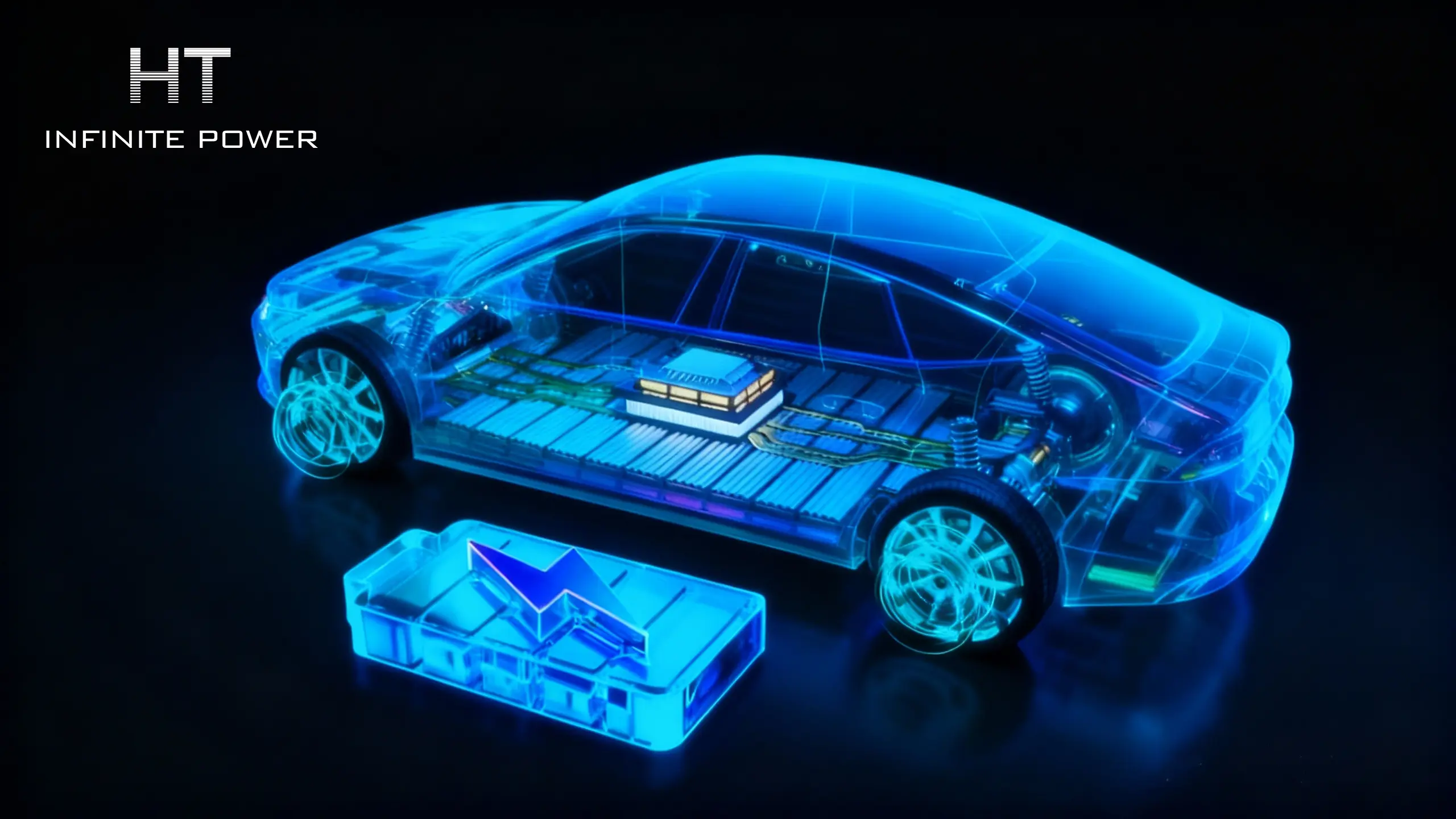
This cross-pollination of technology accelerates development but also demands adaptation. Industrial applications often require custom thermal solutions, modular layouts, and AI-optimized control strategies that EV-focused designs cannot provide out-of-the-box.
Designing Control Strategies for Millisecond-Scale Response
A high C-rate battery pack without smart control is like a sprinter without a coach. Real-time feedback loops and predictive algorithms ensure that the pack ramps up at exactly the right moment. EMS software now incorporates AI to forecast demand spikes, balance cell loading, and prevent thermal runaway.

The integration of BMS with inverters and DC-DC converters must consider signal propagation delays. Even a few milliseconds of misalignment can lead to current oscillations or uneven wear. Engineers must coordinate electronics, firmware, and mechanical architecture as a unified system.
When Speed Meets Scale: Integration at the System Level
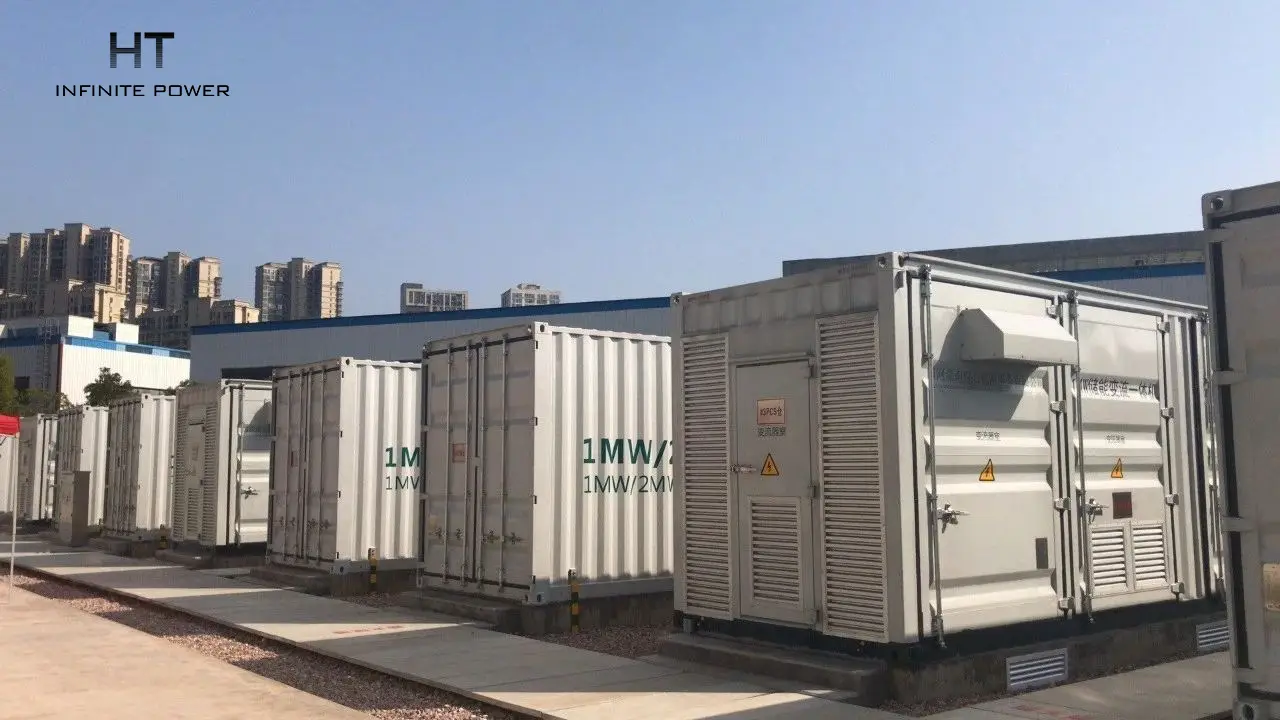
Scaling fast-ramp packs introduces another layer of complexity. In multi-pack configurations, synchronization is critical — uncoordinated modules can create voltage imbalances or thermal hotspots. For large industrial installations, engineers design clusters of modular packs with independent cooling and monitoring, ensuring that each module can handle peak loads autonomously while contributing to the collective response.
High C-rate packs integrated into grid-connected microgrids or industrial plants must satisfy diverse operational goals: frequency support, peak shaving, emergency backup, and load smoothing. Each scenario requires tailored algorithms, but the underlying principle remains: deliver the right power, exactly when it’s needed.
The Future of Fast-Ramp Storage
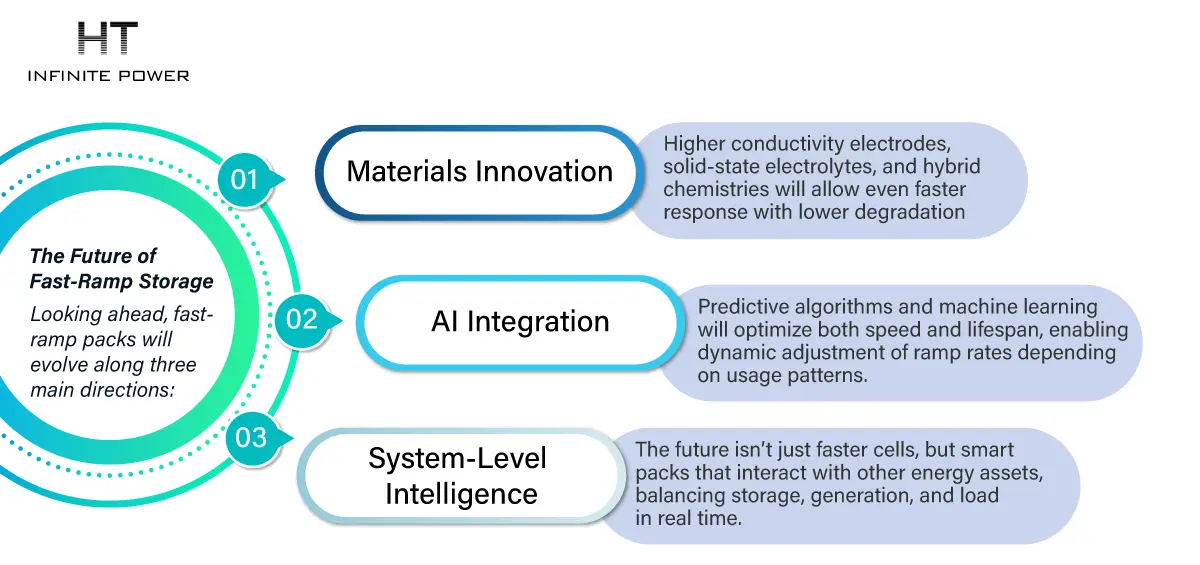
Looking ahead, fast-ramp packs will evolve along three main directions:
1.Materials Innovation
Higher conductivity electrodes, solid-state electrolytes, and hybrid chemistries will allow even faster response with lower degradation.
2.AI Integration:
Predictive algorithms and machine learning will optimize both speed and lifespan, enabling dynamic adjustment of ramp rates depending on usage patterns.
3.System-Level Intelligence:
The future isn’t just faster cells, but smart packs that interact with other energy assets, balancing storage, generation, and load in real time.
Industrial energy storage is moving toward a paradigm where speed, intelligence, and resilience define competitiveness.
Final Reflections: The Race Isn’t About Capacity Anymore
The fast-ramp revolution shifts focus from energy quantity to energy quality — specifically, responsiveness and reliability. Success lies in disciplined engineering, where materials, control systems, and thermal management work together seamlessly.
In a world where milliseconds matter, industrial operators are beginning to value predictable performance over peak numbers on a datasheet. And for manufacturers, mastering this discipline will define the next generation of competitive advantage.
FAQs
1. What is a fast-ramp battery pack?
A system designed to deliver or absorb large currents very quickly, often exceeding 3C rates, while maintaining safety and stability.
A system designed to deliver or absorb large currents very quickly, often exceeding 3C rates, while maintaining safety and stability.
2. Why are high C-rate packs important for industrial storage?
They stabilize sudden power fluctuations in factories, microgrids, and grid-support applications.
They stabilize sudden power fluctuations in factories, microgrids, and grid-support applications.
3. How does fast-ramp operation affect battery lifespan?
High currents accelerate degradation, but predictive BMS/EMS control can mitigate stress and extend operational life.
High currents accelerate degradation, but predictive BMS/EMS control can mitigate stress and extend operational life.
4. Which industries benefit most from fast-ramp packs?
High-speed manufacturing, heavy industry, data centers, and grid stabilization markets all see significant value.
High-speed manufacturing, heavy industry, data centers, and grid stabilization markets all see significant value.
5. Are AI and EMS critical for fast-ramp systems?
Yes. They allow predictive control, thermal management, and precise load balancing that enable high-speed response safely.
Yes. They allow predictive control, thermal management, and precise load balancing that enable high-speed response safely.
Hybrid Storage (Li-ion + H₂ / Flow): System Integration & Dispatch Logic for Industrial Sites
How Federal Policy Shifts Are Reshaping the U.S. Energy Storage Outlook