Energy storage system safety risks? These three technologies can reduce risks by 70%
2025-04-14
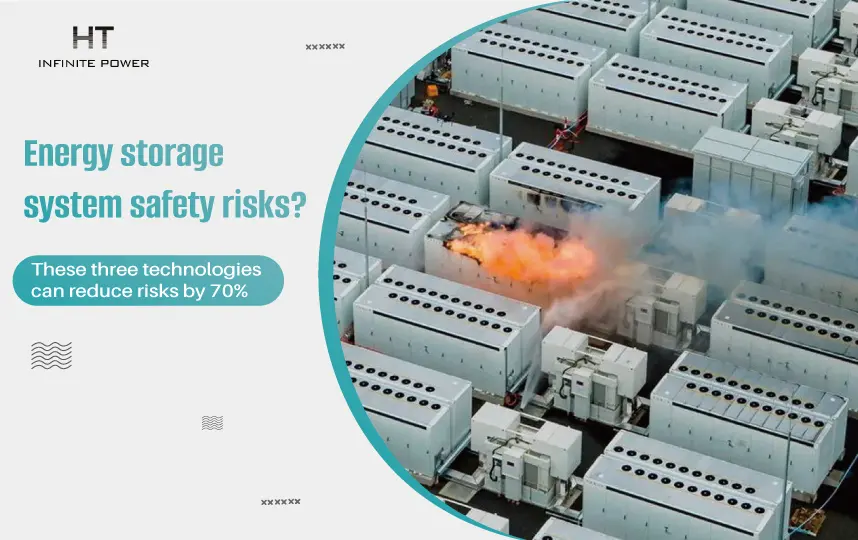
In the face of surging market demand and complex application scenarios, global energy storage safety accidents frequently occur, including projects involving some well-known energy storage suppliers. For example, on July 30, 2021, a fire broke out in Australia's "Victoria Big Battery", the world's largest battery energy storage project using Tesla Megapack. The fire burned for four consecutive days before it was extinguished.
This article will analyze how to improve the safety of energy storage systems and enhance users' trust in installing energy storage systems from aspects such as liquid cooling of energy storage systems, AI thermal runaway warning (such as Huawei's 30-minute advance warning), and explosion-proof design.
Part 1: Main causes of safety hazards in energy storage systems

Energy storage systems are a rather complex structure, involving the coordinated work of components and systems in multiple different technical fields. From battery technology itself, to energy conversion and management systems, to auxiliary systems such as smart cloud monitoring, fire protection and heat dissipation, each part has its own unique design requirements and operating characteristics. These components are interrelated and affect each other. Problems in any link may affect the performance and safety of the entire energy storage system.
1. Battery problems:
This is one of the main causes of energy storage power station accidents. Batteries may experience thermal runaway under conditions of overcharge, overdischarge, internal short circuit, high temperature, etc., releasing a large amount of heat and flammable gas, causing fires or even explosions.
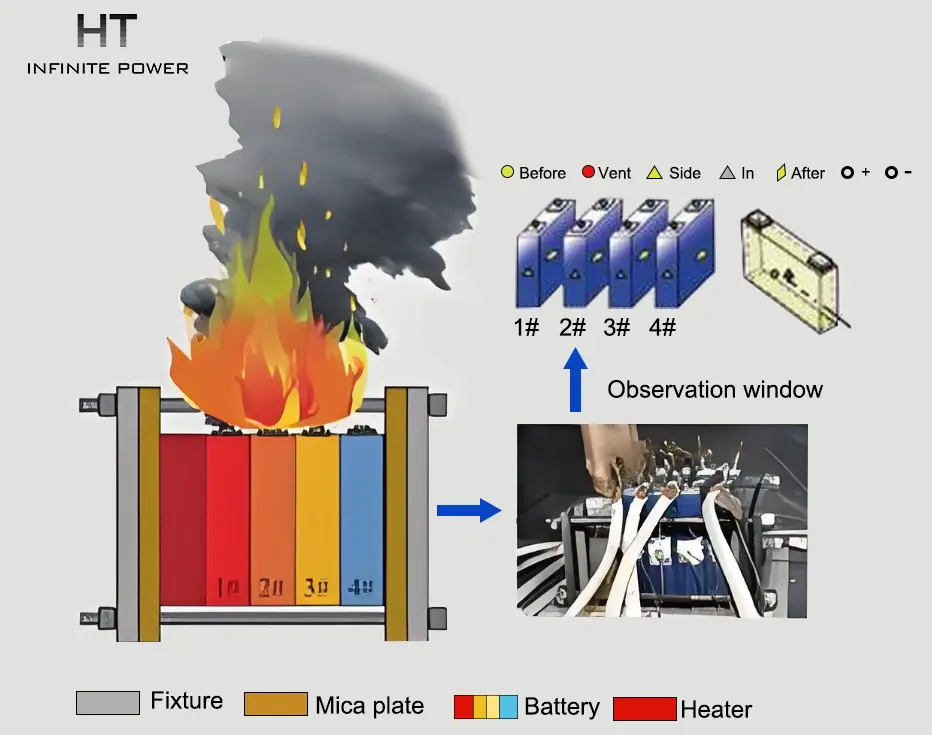
2. Thermal runaway management defects:
The system generates heat during operation. If the thermal runaway system of the energy storage system cannot accurately monitor and control the state of the battery, such as voltage, current temperature, etc., it will not be able to detect and deal with potential problems in time, and cannot quickly and effectively control the battery thermal runaway phenomenon, increasing the risk of accidents.
3.Inadequate safety design:
Including unreasonable power station layout, such as the building-style stacked layout resulting in a large number of batteries concentrated in a confined space, and the lack of effective fire separation, fire fighting facilities and emergency plans. Once a fire occurs, it is difficult to quickly control the fire. Energy storage systems have certain fire risks, and should be equipped with appropriate fire extinguishing equipment, and ensure that the installation area meets fire protection requirements.
4. Failure of electronic components and circuits:
Some electronic components and circuits are usually used in energy storage systems, such as battery management chips, power semiconductor devices, inductors, sensors, DC bus, AC lines, and control lines. Using inferior electronic components and circuits may not accurately monitor and control the key parameters of the battery: affecting the power supply quality of the system, which may damage the electrical equipment connected to it: providing inaccurate monitoring data, misleading the control strategy of the system, and making the system unable to operate within the normal working range. It will seriously affect the reliability of the energy storage system and bring potential safety risks.
5. Improper installation and maintenance:
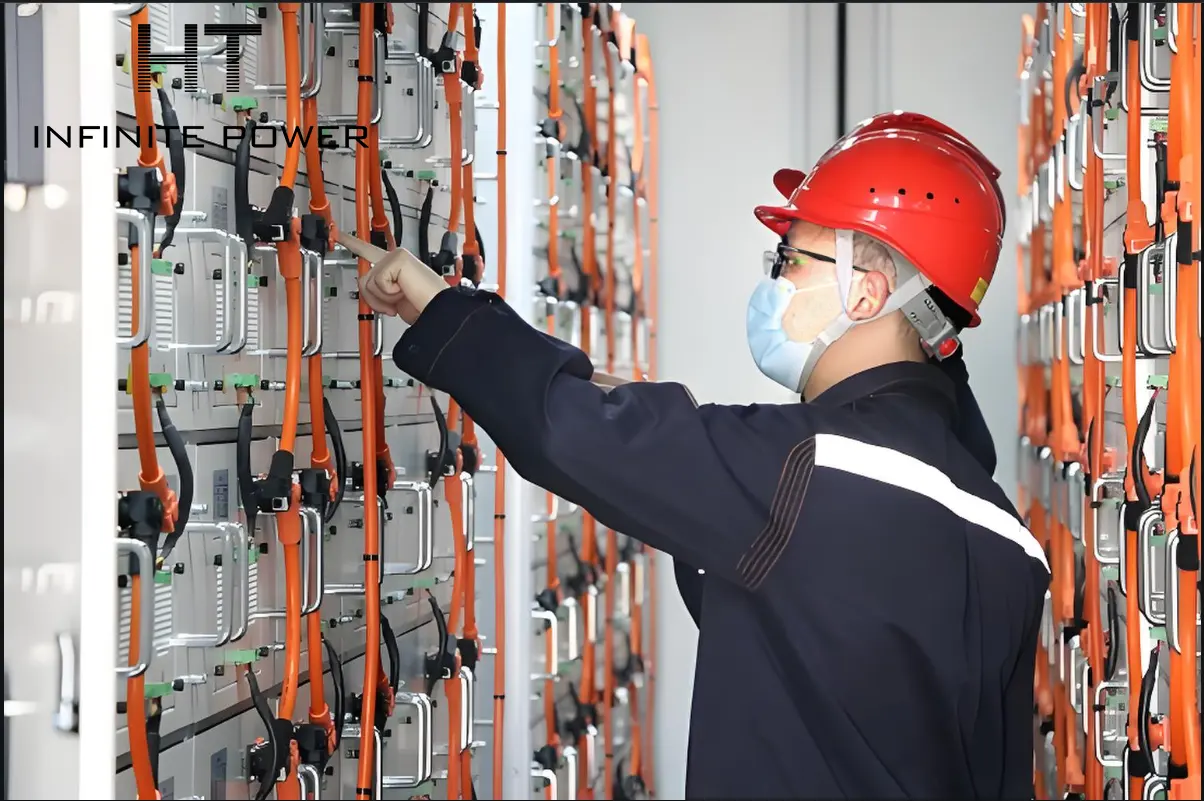
Unprofessional staff, irregular operation, unfamiliarity with equipment, or failure to perform maintenance in accordance with regulations. For example, irregular installation of batteries, incorrect wiring, untimely maintenance, etc. may all pose safety hazards. It is recommended to conduct comprehensive system debugging and testing after the energy storage system is installed to check whether all functions are normal
6. Abuse and aging:
Frequent charge and discharge cycles will also accelerate the aging of the energy storage system. Improper charge and discharge methods such as deep discharge and fast charging will increase the pressure and loss inside the battery. As the usage time increases, the chemical substances inside the battery will undergo irreversible changes, and the structure and performance of the electrode materials will gradually decline, resulting in a decrease in battery capacity and an increase in internal resistance, which increases the instability and safety risks of the system. Aging batteries need to be closely monitored and replaced or maintained in a timely manner to ensure the safe operation of the energy storage system.
7. Environmental factors:
Environmental conditions such as extreme temperature and humidity may affect battery performance and stability and increase the risk of fire. Natural disasters such as lightning strikes, floods, and earthquakes may damage the equipment of energy storage power stations and cause accidents. When installing energy storage systems, choose a dry, well-ventilated, temperature-appropriate installation site without flammable, explosive, and other corrosive gases.
Part 2: Three technologies reduce 70% of safety hazards in energy storage systems
1. Technological breakthroughs: dual leaps in integrated efficiency and safety
(1). Large-capacity batteries reconstruct system architecture
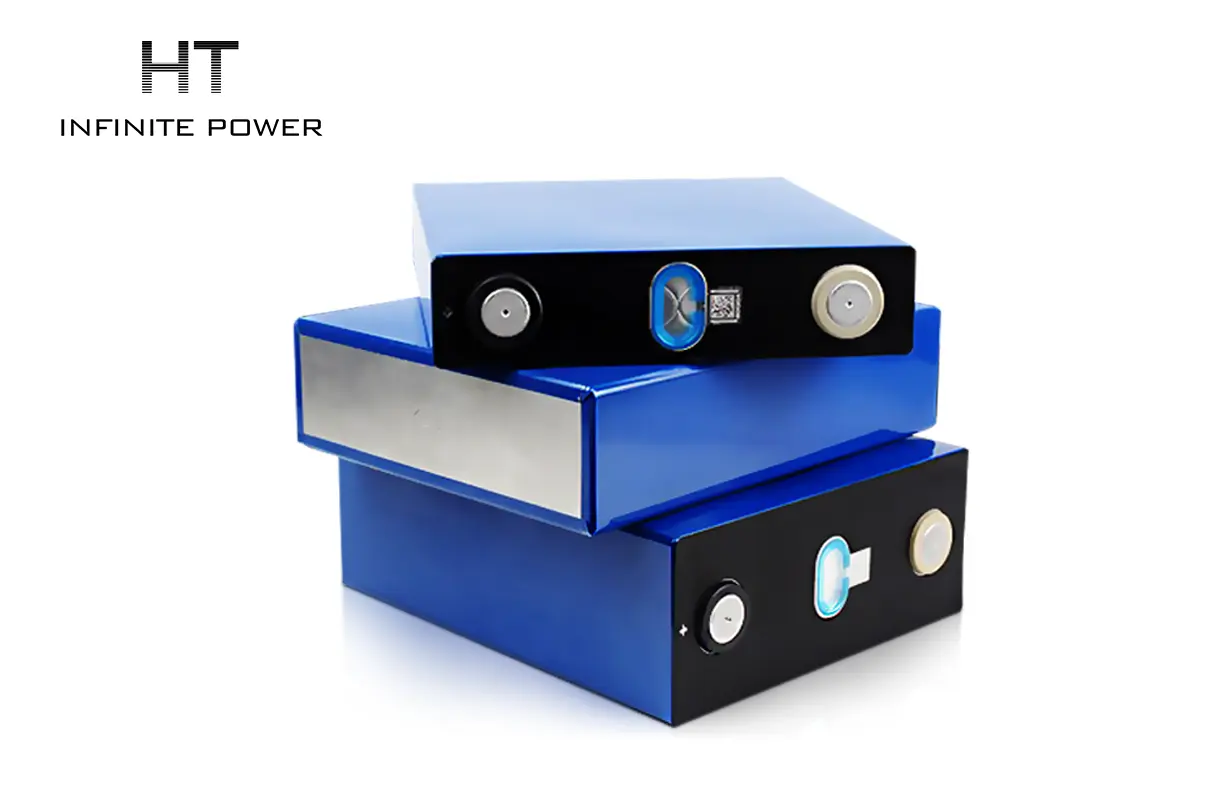
In 2025, the capacity of energy storage batteries will enter the "600Ah+" era. Ultra-large batteries (such as Hi-tech 1175Ah batteries) launched by companies such as CATL and Haichen Energy Storage will push the capacity of energy storage systems to exceed 8MWh. The capacity of a single cabin is increased to more than 6MWh, the integrated efficiency is increased by 40% compared with traditional solutions, and the system cost is reduced to less than 0.6 yuan/Wh.
Large-capacity batteries reduce the number of batteries by 30%, reduce the loss of connectors by 15%, and reduce the difficulty of thermal management by 20%.
(2). Liquid cooling technology becomes standard, and thermal runaway management is intelligent
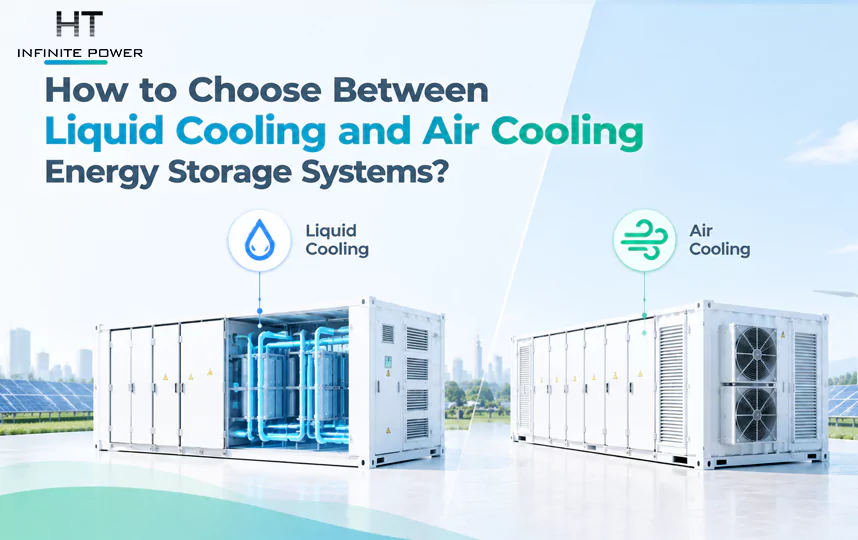
The penetration rate of liquid-cooled energy storage exceeds 60%, and the battery temperature difference is controlled within ±2℃, which reduces the fire risk of air-cooled systems by 70%. The AI early warning platform developed by Huawei, Sungrow and other companies can predict thermal runaway 30 minutes in advance with an accuracy rate of 92%, and reduce operation and maintenance costs by 40%.
Typical cases:
Tesla Megapack 2.0 adopts a full liquid cooling design, which shortens the installation cycle by 50% and adapts to the flexible expansion needs of industrial parks;
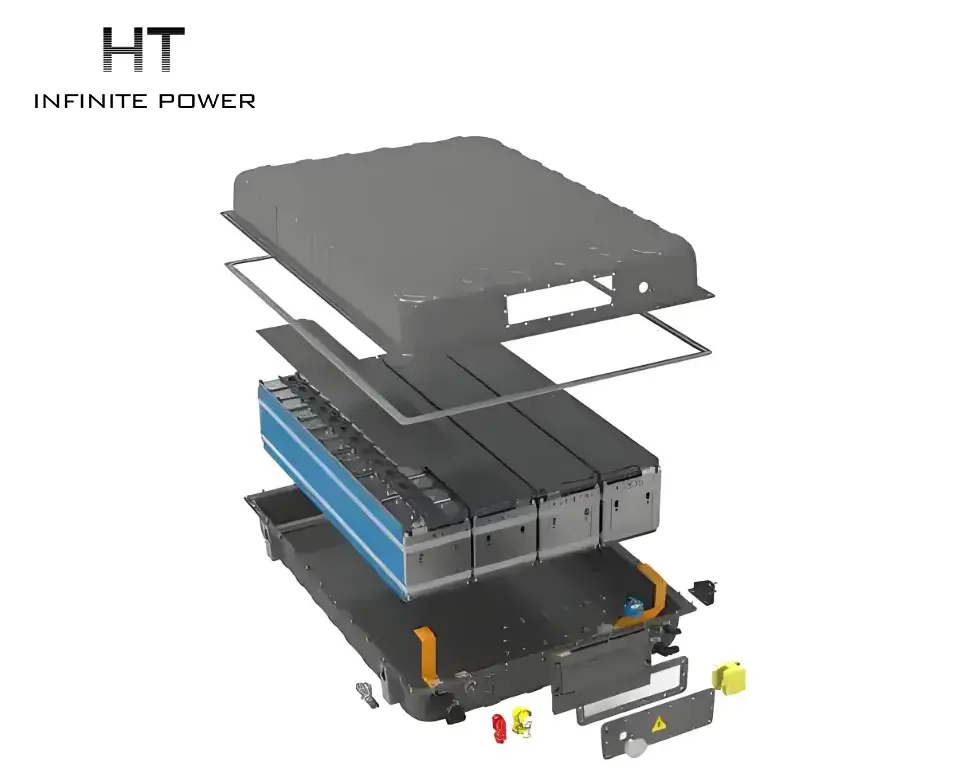
The world's largest all-vanadium liquid flow battery energy storage power station (500MW/2000MWh) was put into operation in Jiuquan, Gansu, with a system efficiency of over 75%.
(3). Grid-forming technology reshapes the grid interaction mode
Grid-forming energy storage supports voltage source characteristic operation, and its shipment volume is expected to reach 7GW in 2025. Huawei, Sungrow and other companies have launched grid-forming converters, which can actively support frequency and voltage in the event of grid failure, improving the stability of new energy grid connection by 30%.
2. Intelligence: From "passive response" to "active decision-making"
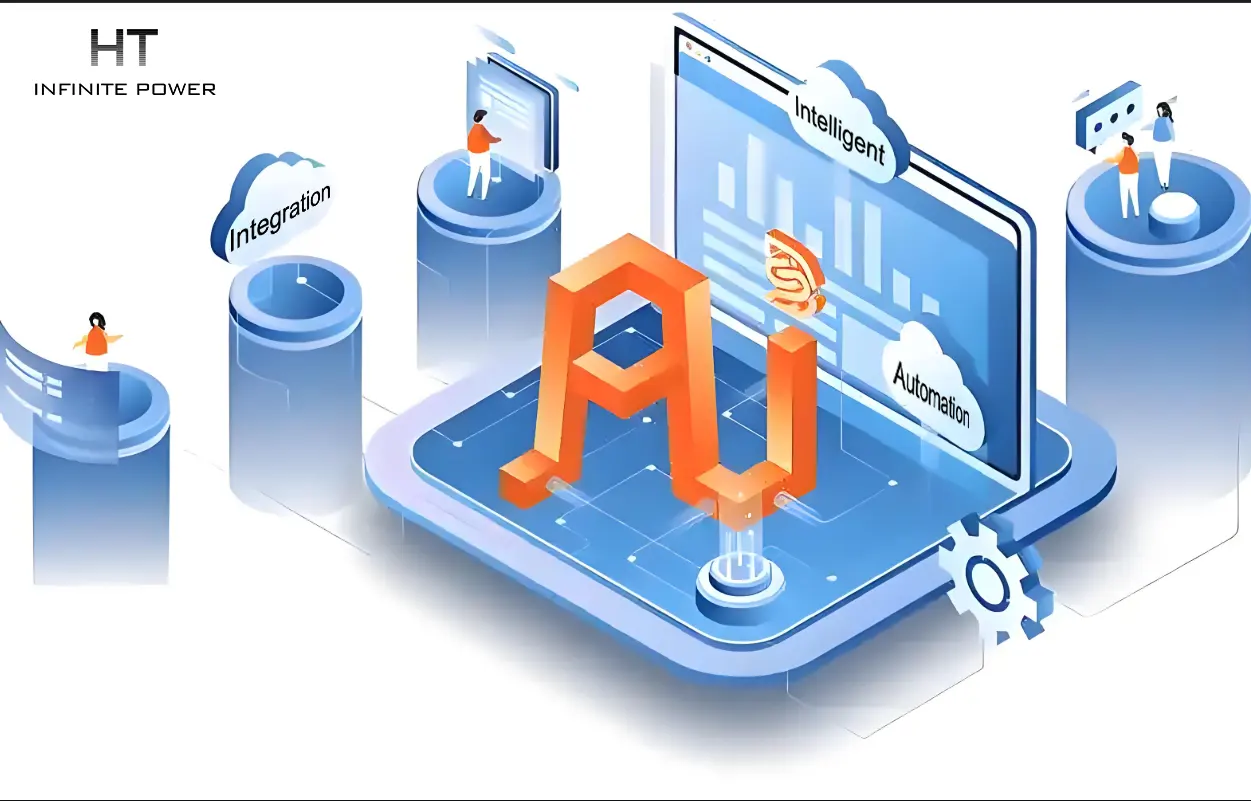
(1). Digital twin and AI scheduling
Digital twin technology realizes 1:1 virtual modeling of energy storage system and optimizes charging and discharging strategies in combination with AI algorithm. Tencent's "Energy Brain" increased the peak-valley arbitrage income by 25% and the prediction accuracy reached 95% in the pilot in Guangdong.
Application scenario:
The integrated photovoltaic storage and charging site uses AI to match power generation and power demand in real time, and the system efficiency is increased to 92.5%;
The virtual power plant (VPP) aggregates distributed energy storage resources and participates in spot power trading, increasing the annual income of a single project by 20%.
3. Multi-scenario adaptation: from "single function" to "multi-coexistence"
(1). Breakthrough in long-term energy storage technology
The 4-hour system cost of all-vanadium liquid flow batteries has dropped to 0.15usd/Wh, the cost of compressed air energy storage is 0.35 yuan per kilowatt-hour, and hydrogen energy storage has achieved seasonal peak regulation. In the centralized procurement of China National Nuclear Corporation, China Huadian and other companies in 2025, the 4h system accounts for more than 60%.
Typical cases:
Xinjiang GW-level "wind and solar hydrogen production-salt cavern hydrogen storage" project, with an annual supply of 50,000 tons of green hydrogen, and an energy storage cycle extended to several months;
Guangdong Taishan nuclear storage linkage project, using the waste heat of nuclear power units to store heat, the peak regulation capacity increased by 30%.
(2). Customized solutions for special scenarios
Data center: Huawei deploys hydrogen backup power for GDS, with a power supply reliability of 99.999%;
Island off-grid : Zhejiang Dachen Island's "photovoltaic + molten salt thermal storage" system, with a renewable energy penetration rate of over 90%, and a power supply cost 40% lower than diesel.
Part 3: Challenges and Breakthroughs: The "Triple Door" of Integrated Technology
1. Game of Cost and Performance
High initial investment: 100MW system exceeds 1 billion yuan, and small and medium-sized enterprises prefer leasing model;
Differentiation of technical routes: Alternative competition between sodium and lithium batteries delays decision-making, and policy guidance is needed to adapt to scenarios.
2. Ecological synergy problem
Equipment compatibility: The compatibility rate of cross-brand communication protocols is less than 60%, which increases the integration cost by 20%;
Lack of standards: There is a lack of unified testing specifications for molten salt composition and phase change material performance.
3. Geopolitical risks
The US IRA Act requires a localization rate of more than 50%, and CATL has reduced its profit by 30% through technology licensing;
EU carbon tariffs increase export costs by 8%-12%, and companies need to deploy capacity in Southeast Asia to avoid it.
Future Outlook: From "System Integration" to "Energy Ecosystem"
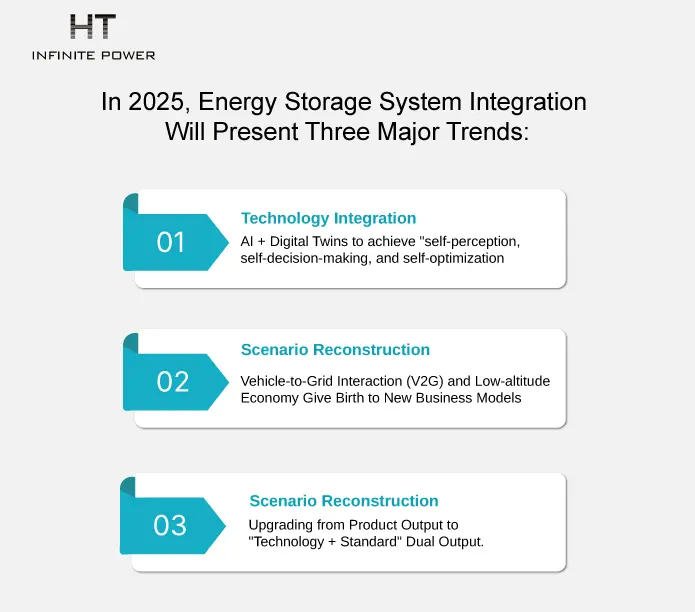
In 2025, energy storage system integration will present three major trends:
Technology Integration: AI + Digital Twins to achieve "self-perception, self-decision-making, and self-optimization";
Scenario Reconstruction: Vehicle-to-Grid Interaction (V2G) and Low-altitude Economy Give Birth to New Business Models;
Global Competition and Cooperation: Upgrading from Product Output to "Technology + Standard" Dual Output.
Conclusion
In 2025, energy storage system integration will no longer be a simple stacking of equipment, but a deep coupling of "technology + intelligence + scenario". In this transformation, only enterprises that seize efficiency improvement, ecological synergy and global layout can become the leaders of the trillion-dollar market.
Over-installed photovoltaic power? How can energy storage help you "digest" excess green electricity
Energy storage solutions for islands and remote areas: Say goodbye to diesel generators!