Commercial energy storage systems and zero-carbon industrial parks
2024-07-10
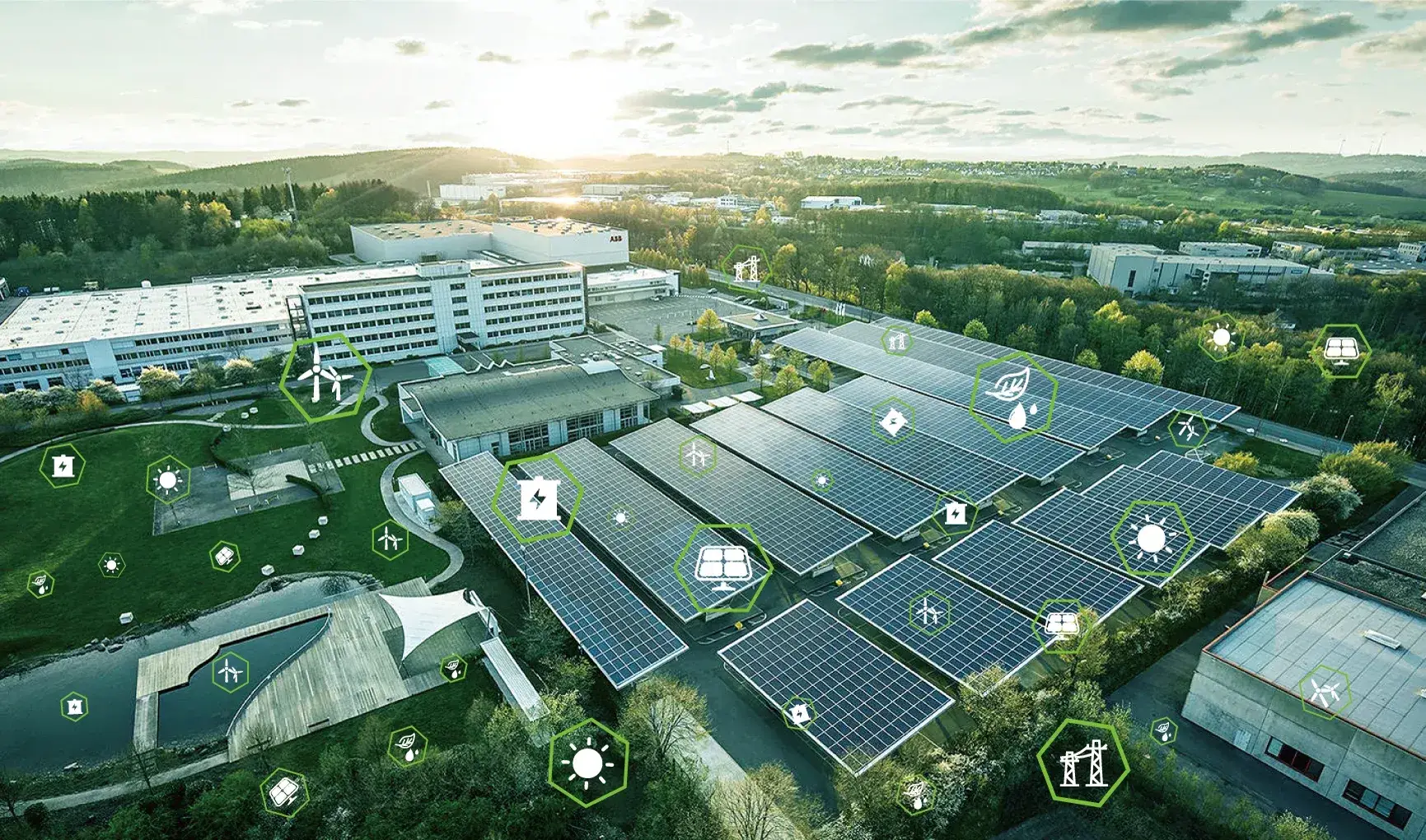
As an important carrier to promote industrial upgrading and economic development, "industrial park" contributes more than 30% to social GDP, but the huge output value also brings huge energy demand and carbon emission problems. According to a survey data released by the American Industrial Association, nearly 70% of industrial energy consumption is concentrated in industrial parks, and its carbon emissions account for 31% of the global total. Therefore, the construction of zero-carbon industrial parks has become a key path to achieve carbon peak and carbon neutrality goals.
Experts generally believe that commercial energy storage systems will play a key role in the transformation of zero-carbon industrial parks. At the same time, this trend also provides huge development opportunities for industrial and commercial energy storage companies.
This article will explore the definition of zero-carbon industrial park, the path to implementation, and the important role of commercial energy storage system in them.
#Part 1. Energy transformation of zero-carbon industrial parks should start from three aspects
The goal of zero-carbon industrial parks is to achieve complete neutralization of carbon emissions during the operation of the park and achieve net zero emissions. This means that all operational activities of the park, including energy consumption, transportation, production and manufacturing, must reduce carbon emissions as much as possible.
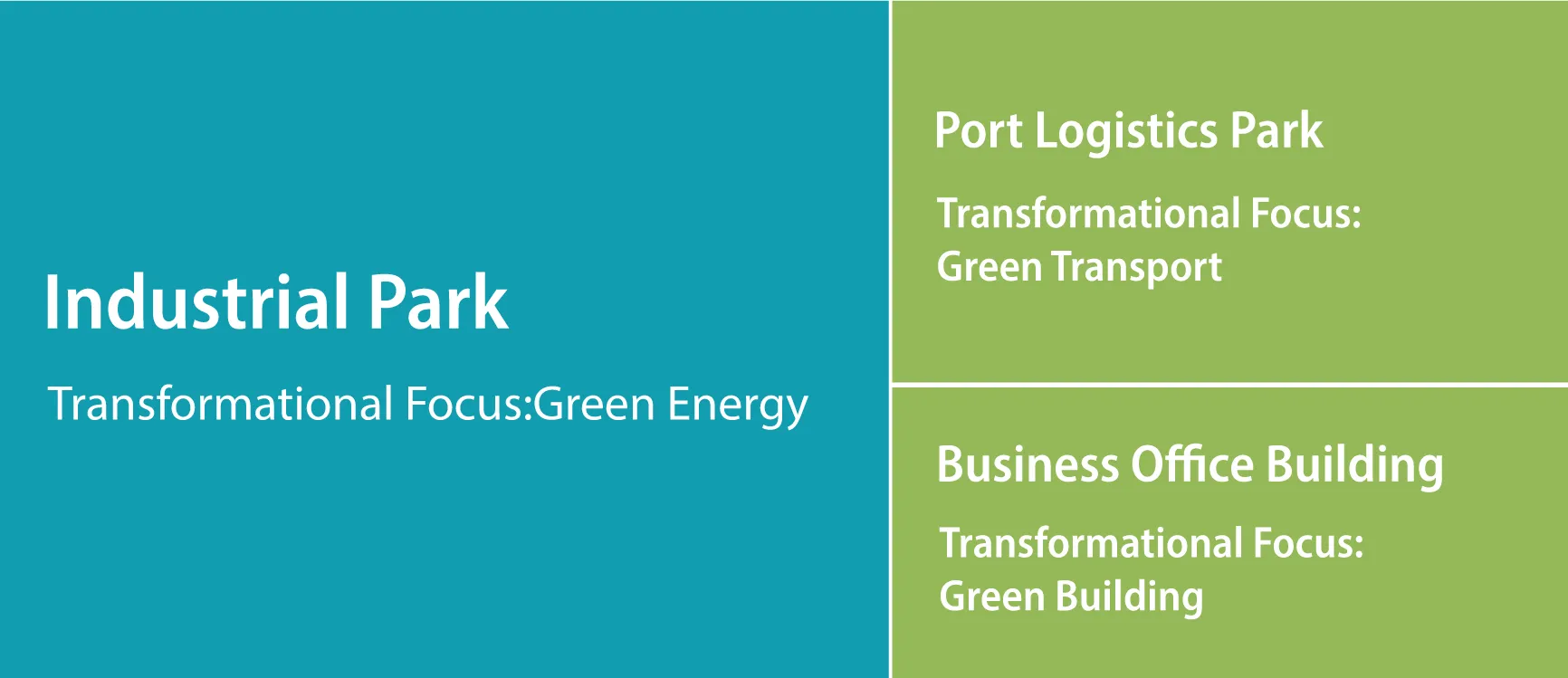
Different types of parks have different characteristics, and their zero-carbon transformation paths also have different focuses. Industrial parks are usually large in scale and high in energy consumption, focusing on green energy transformation, port logistics parks focus on green transportation, and business office parks focus on green buildings. It is worth noting that the park structure is complex, and usually multiple transformation paths are adopted in parallel, but green energy transformation is a key area that all parks must focus on.
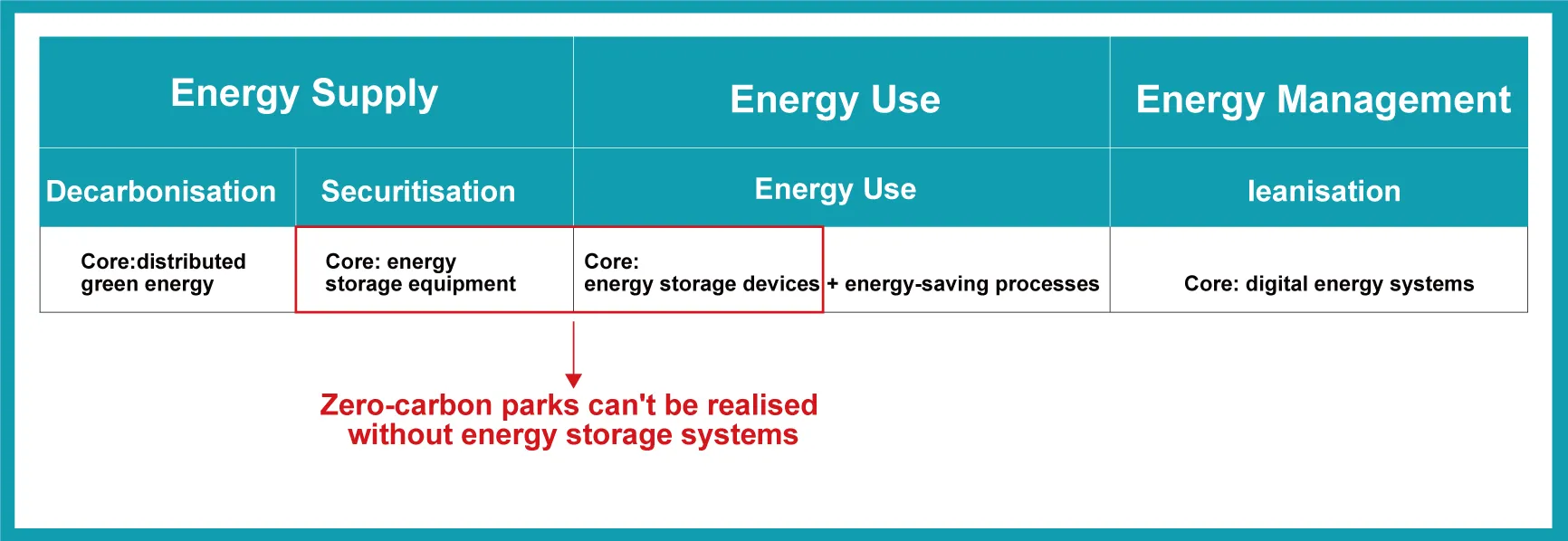
To achieve green energy transformation in the park, we need to start from three aspects: energy supply, energy use and energy management.
Energy supply - clean and safe
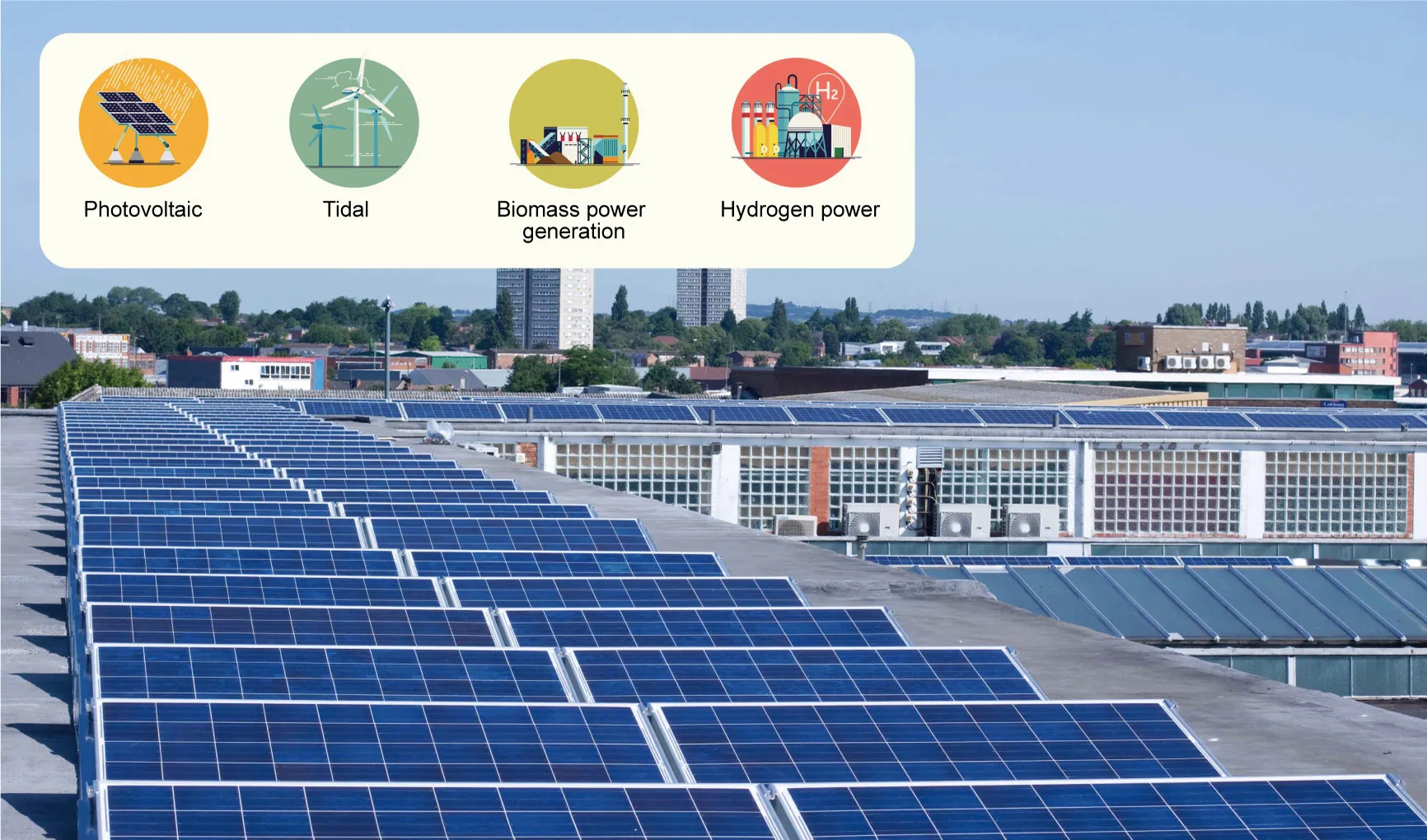
In the construction of a zero-carbon industrial park, clean and safe energy supply is the most important link. Clean energy supply refers to the construction of a distributed energy system in the park according to local conditions, using a high proportion of green electricity. Green electricity includes photovoltaic, wind, biomass power generation and hydrogen energy. Among them, photovoltaic technology has become the main force of green electricity in the park due to its maturity and popularity. Once the proportion of green electricity used in the park increases significantly, the instability of wind and solar power generation will pose a challenge to the safety of power grid operation. The introduction of commercial energy storage systems will become an important step in ensuring the stability of the power grid.
Energy use - efficient
In addition to stabilizing the security of the power grid, industrial and commercial energy storage can also greatly improve the effective utilization rate of green electricity in the park and reduce electricity costs by using electricity price policies. Industry estimates show that the introduction of commercial energy storage systems can reduce the energy costs of the park by 5%-10%, thereby achieving efficient energy use.
In addition, enterprises in the park can also reduce carbon emissions during use and improve energy efficiency in an all-round way by optimizing production processes and introducing one-stop energy-saving services. Faced with this complex and multi-level energy supply and use demand, the park urgently needs to adopt a more lean energy management method.
In addition, enterprises in the park can also reduce carbon emissions during use and improve energy efficiency in an all-round way by optimizing production processes and introducing one-stop energy-saving services. Faced with this complex and multi-level energy supply and use demand, the park urgently needs to adopt a more lean energy management method.
Energy management - lean
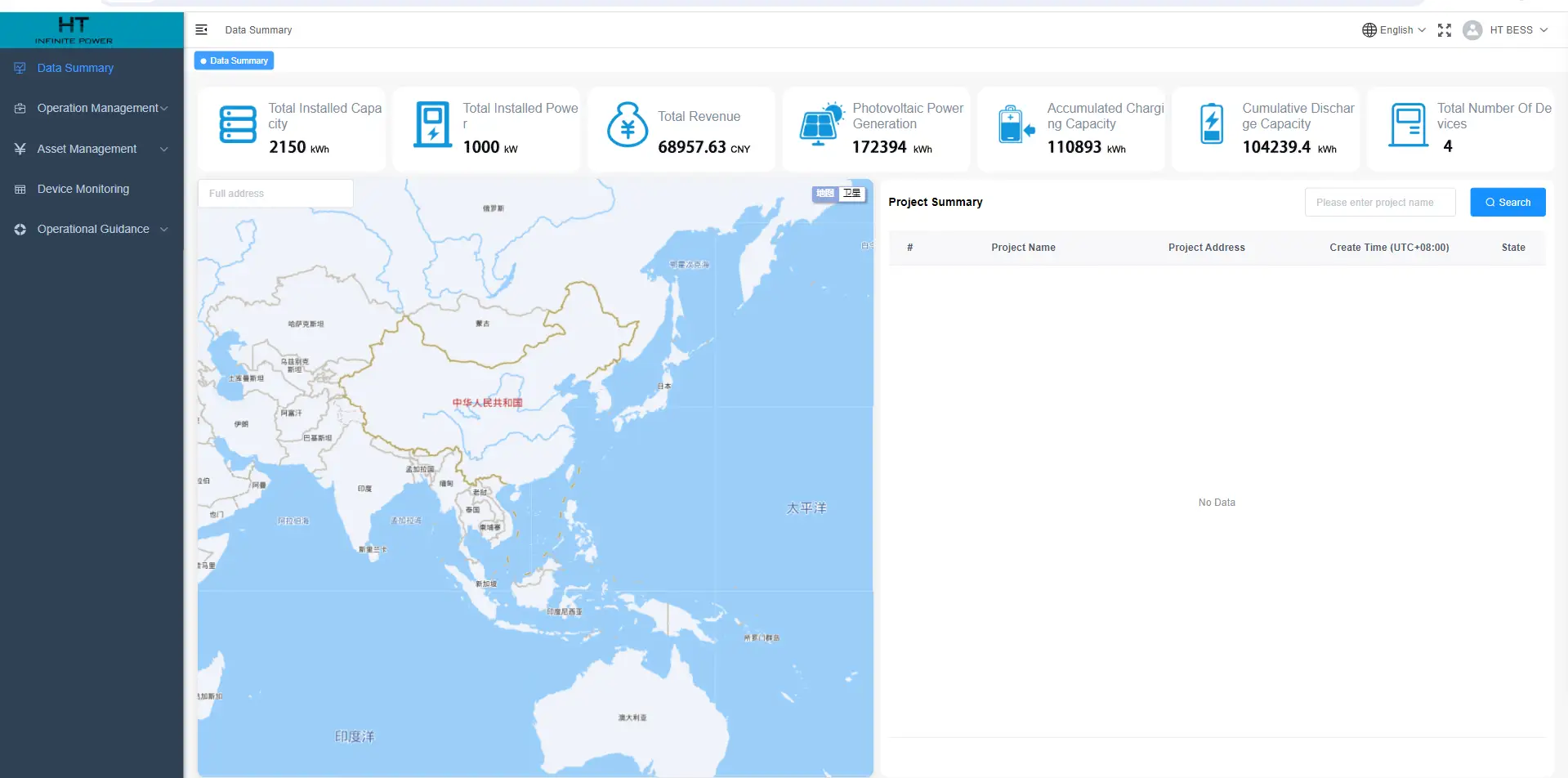
Lean energy management system means that the park introduces a digital energy monitoring platform to monitor the production and consumption of green electricity in real time, and flexibly adjust and allocate it according to actual needs to improve the overall energy efficiency of the park.
At the same time, an excellent digital energy platform can also help the park actively participate in green equity transactions such as electricity-energy-carbon and realize the value-added of energy assets. In the next 30 years, carbon dioxide management is one of the most important goals of human society, but carbon dioxide is difficult to measure, define and optimize intuitively. It needs to rely on smart IoT sensors and artificial intelligence digital operating systems to achieve effective measurement, analysis, optimization, trading and certification.
#Part 2. The realization of a zero-carbon industrial park is inseparable from the commercial energy storage systems.
In the construction of a zero-carbon industrial park, the industrial and commercial energy storage is the key to achieving safe and efficient energy supply.
Specifically:Improve the utilization rate of green electricity in the park
Due to the volatility of wind and solar power generation, it is easy to have insufficient or excessive power supply. The commercial energy storage systems can effectively balance energy supply and demand, improve the utilization rate of green electricity in the park, and stabilize the power grid.
Gaining benefits by taking advantage of national time-of-use electricity price policies
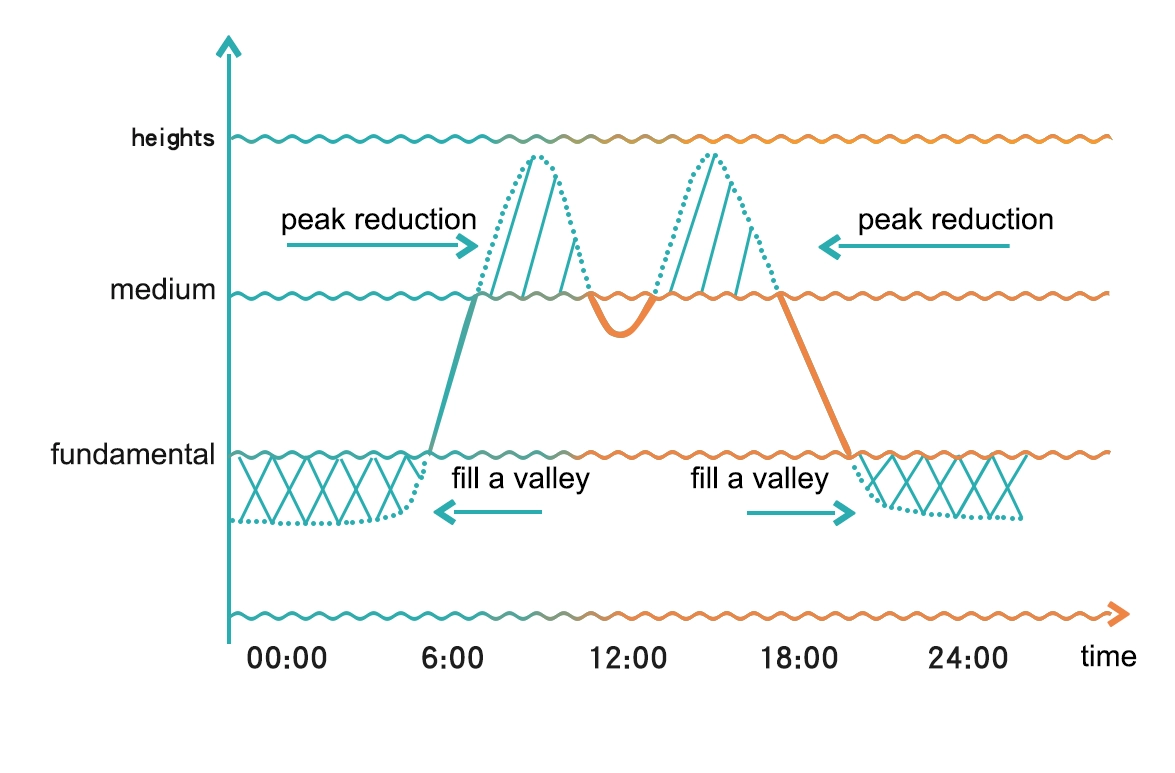
In order to save energy and reduce emissions, countries around the world generally adopt policies such as time-of-use electricity prices or power restrictions. Commercial energy storage systems can take advantage of the difference in peak and valley electricity prices to reduce peaks and fill valleys. When electricity prices are low, companies purchase low-priced electricity from the power grid or directly store the surplus electricity from photovoltaics. When electricity prices are high, the stored electricity is released for production. This low-charge and high-discharge electricity consumption method can greatly reduce corporate electricity costs. In addition, countries are also actively promoting demand-side response and electricity spot market policies, and companies can also gain additional benefits by configuring commercial energy storage system.
Industrial and commercial energy storage system as backup power supply, stable power consumption
Commercial energy storage system can provide backup power supply for zero-carbon industrial parks, ensure stable operation of production and life, and reduce potential power outage losses.
It is worth mentioning that governments are implementing a series of incentives to strongly encourage distributed energy to be equipped with energy storage equipment. "Zero-carbon industrial park + energy storage" can not only enjoy policy support, but also greatly enhance the image and social recognition of the park once it is successfully selected into the zero-carbon industrial park demonstration list.

In fact, there is a mutually reinforcing relationship between zero-carbon industrial parks and industrial and commercial energy storage. The advancement of energy storage technology provides safe, efficient and reliable energy solutions for zero-carbon industrial parks. At the same time, zero-carbon industrial parks also provide a broad market for industrial and commercial energy storage technology, promoting its continuous innovation and development. Zero-carbon industrial parks may become the strongest engine for the development of the industrial and commercial energy storage.
#Part 3. Mutual promotion of development, zero-carbon industrial parks may lead the explosion of the industrial and commercial energy storage market
From the perspective of scale, the storage demand of zero-carbon industrial parks is huge and has huge market potential. Industrial parks gather a large number of high-energy-consuming enterprises, which generally have problems such as high electricity consumption and high carbon emissions, and are in urgent need of zero-carbon transformation. Guide industrial enterprises to gather in parks and promote the overall optimization of the energy system and comprehensive pollution control of industrial parks. This policy will further expand the scale of industrial parks.
Therefore, in the future, after completing the energy transformation, the factories of super-large enterprises will form an independent zero-carbon industrial park. Most of these enterprises are facing export demand pressure. As European and American countries implement carbon tariff policies, large enterprises need to give priority to energy transformation to meet the needs of the international market.
Take a zero-carbon industrial park as an example. The park integrates rooftop distributed photovoltaics, energy storage power stations, and gas-fired distributed power generation equipment with internal combustion engine power generation capacity; at the same time, supporting water storage cooling high-efficiency refrigeration rooms and charging piles are built. Finally, through the digital platform, "light, storage, and charging" are integrated and controlled and dispatched, which reduces the comprehensive energy consumption of the entire park by 10%-20%, and the proportion of green energy reaches 80%.
Small and medium-sized enterprises can form industrial parks with the help of industrial clusters and large enterprises in the supply chain, and carry out energy transformation through centralized planning by the park management.
This model improves resource utilization efficiency and promotes industrial interaction and coordinated development through centralized planning and management of the park. In the park, industrial and commercial energy storage equipment is uniformly planned and constructed to provide support for the construction of the energy system of the entire park.
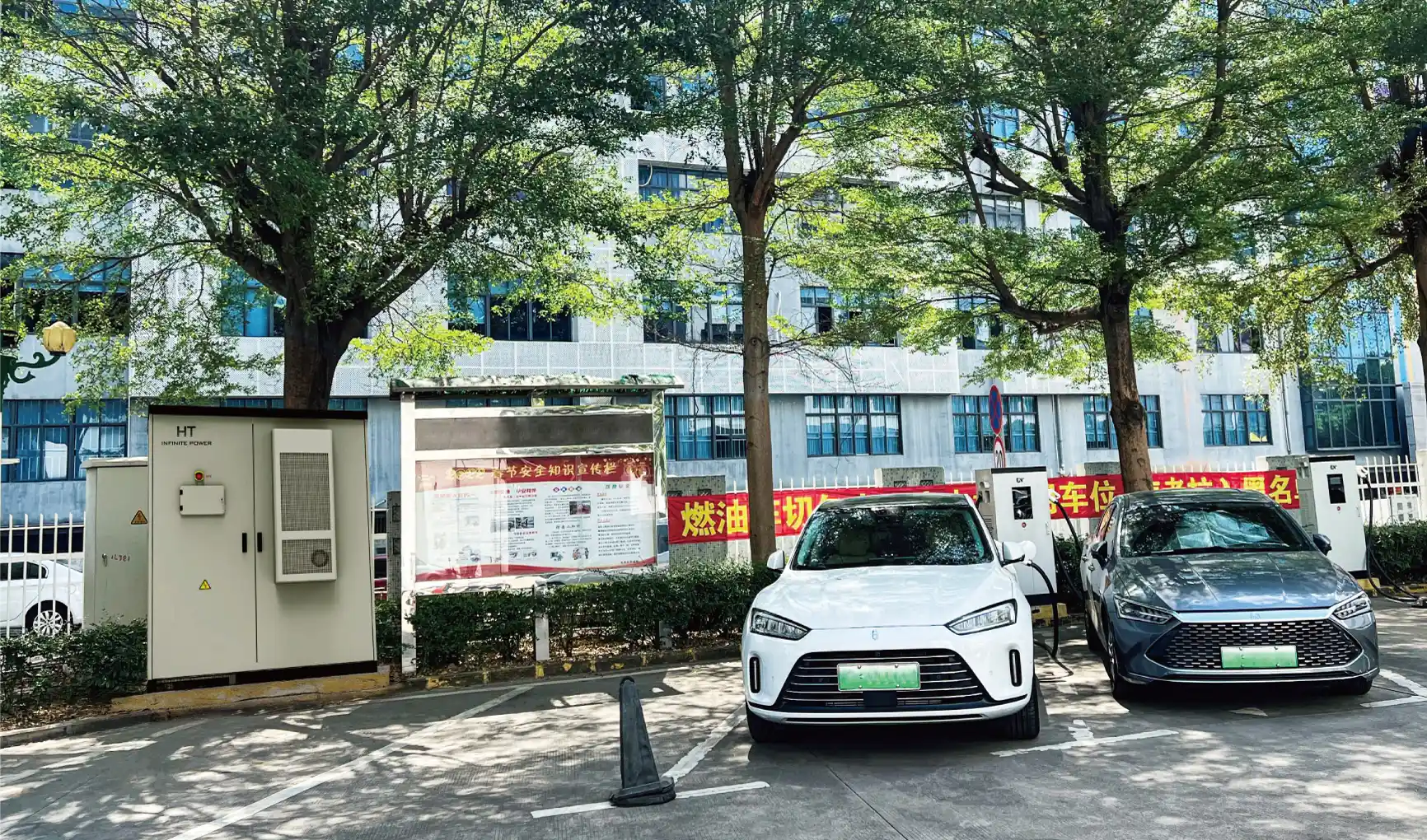
The planning and construction of the commercial energy storage system for a zero-carbon industrial park is a complex process. It needs to be determined based on the park's electricity load and energy demand, while taking into account factors such as the type, capacity, efficiency, time, reliability, safety, cost and maintenance of the commercial energy storage system to ensure the long-term and stable operation of the system. This places extremely high demands on energy storage construction, operation and maintenance companies.
Safety and economy are crucial in the planning of commercial energy storage system for zero-carbon industrial parks. In response to safety issues, InfinitePower HT adopts module-level fire protection, active monitoring, and remote alarm solutions to warn of potential risks in advance and actively conduct operations and maintenance to avoid a large number of risks. In response to economic issues, InfinitePower HT provides a comprehensive solution - distributed green energy aggregation value-added solution, which aggregates electricity, energy, and carbon through the HT digital management system to help the park achieve lean energy management.
Conclusion
Under the guidance of the carbon neutrality policy for industrial parks, the construction of zero-carbon industrial parks is being actively promoted. As a key technology for building zero-carbon industrial parks, commercial energy storage system play an indispensable role in the efficient use of green energy and ensuring the stable operation of power grids. On the other hand, zero-carbon industrial parks have also brought a huge incremental market for industrial and commercial energy storage, injecting new vitality and momentum into the energy storage industry.
Discussion on the structural design and safety of bess container energy storage
The global bess manufacturers ranking: the top 5 ess factories are all Chinese companies