How to choose a suitable installation location for industrial and commercial energy storage systems?
2025-05-06

Industrial and commercial energy storage system site selection guide: Five key points to avoid geological and climate risks
Globally, the deployment of industrial and commercial energy storage systems is growing rapidly, but improper site selection may lead to reduced system efficiency, shortened lifespan, and even safety hazards. The geological conditions and climate characteristics of different regions have a significant impact on the performance of energy storage systems.
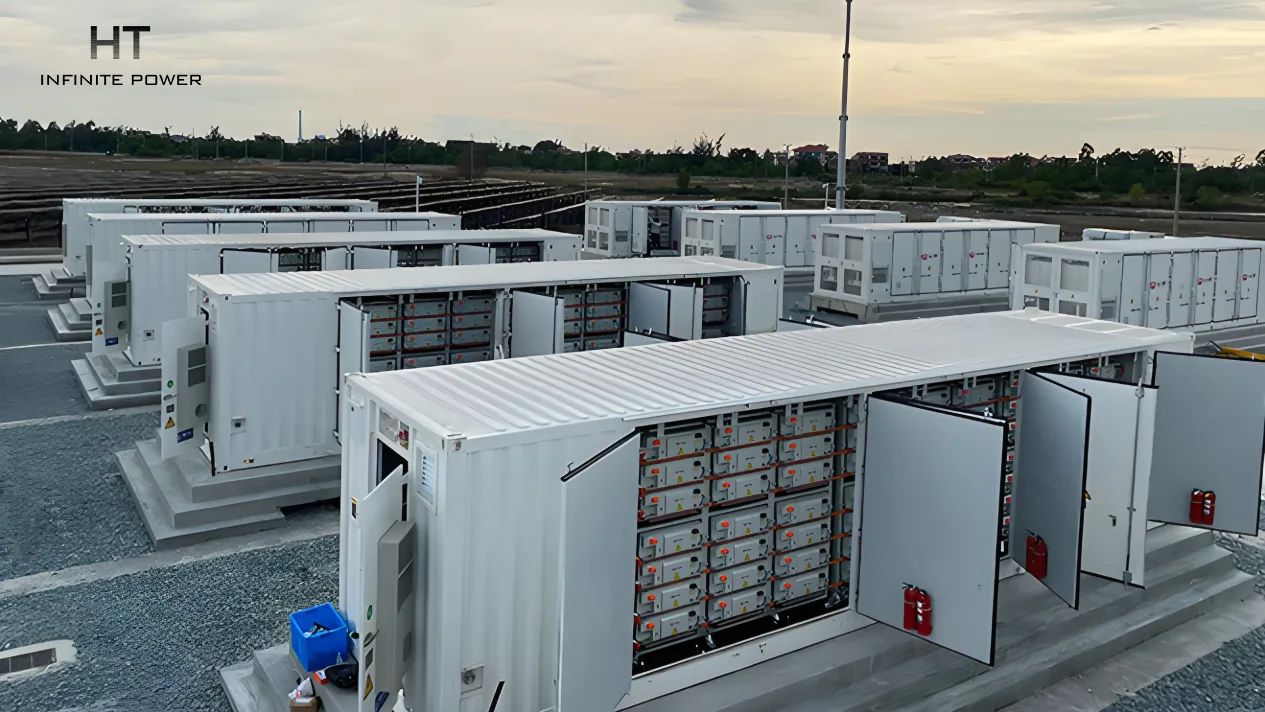
This article will analyze the five key points of energy storage system site selection based on the environmental characteristics of typical regions around the world, such as the high temperature in the Middle East, the humidity in Southeast Asia, and the cold winter in Europe, to help users avoid potential risks.

Key point 1: Assess geological stability and avoid earthquake and subsidence risks
The site selection of energy storage systems must take geological stability into consideration, especially in earthquake-prone zones or areas prone to ground subsidence. For example:
• Earthquakes are frequent in Japan, New Zealand, and the west coast of the United States. Energy storage systems should be kept away from fault zones and adopt earthquake-resistant designs.
• Low-lying areas such as the Netherlands and Bangladesh are at risk of ground subsidence, and the foundation must be stable to avoid long-term flooding.
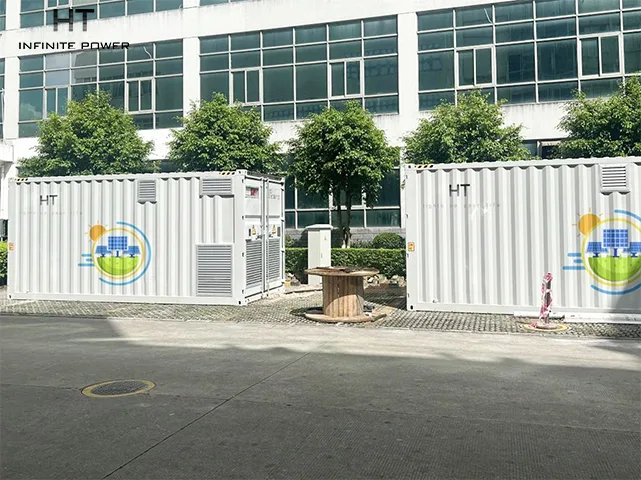
Solution:
Conduct detailed geological surveys before site selection, give priority to areas with stable bedrock, or use foundation reinforcement technology.
Point 2: Heat dissipation management in extreme high temperature environments
High temperatures accelerate battery aging and reduce energy storage efficiency. Typical high temperature regions include:
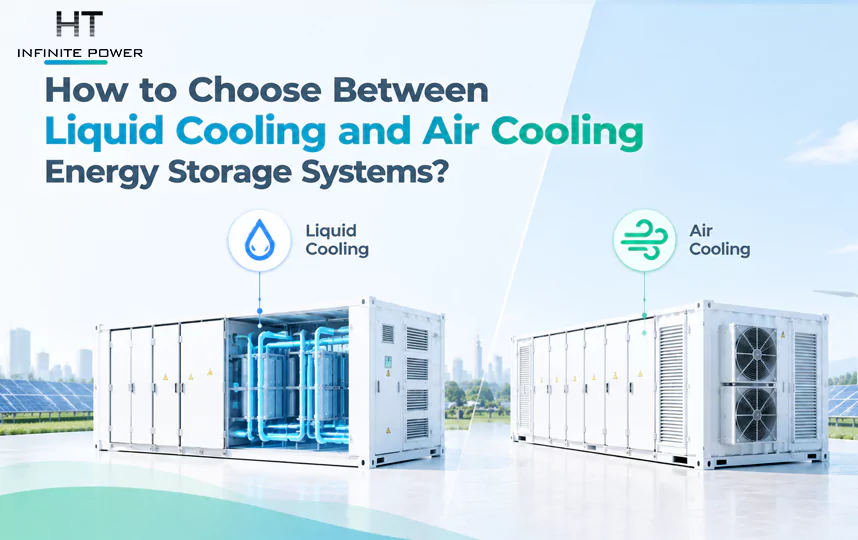
• Middle East (such as Saudi Arabia and the United Arab Emirates): Summer temperatures often exceed 50°C, and energy storage systems need to be equipped with efficient liquid cooling or forced air cooling systems.
• Australian outback: Dry and high temperature environments can easily lead to thermal runaway of batteries, and sunshade design and ventilation structure need to be optimized.
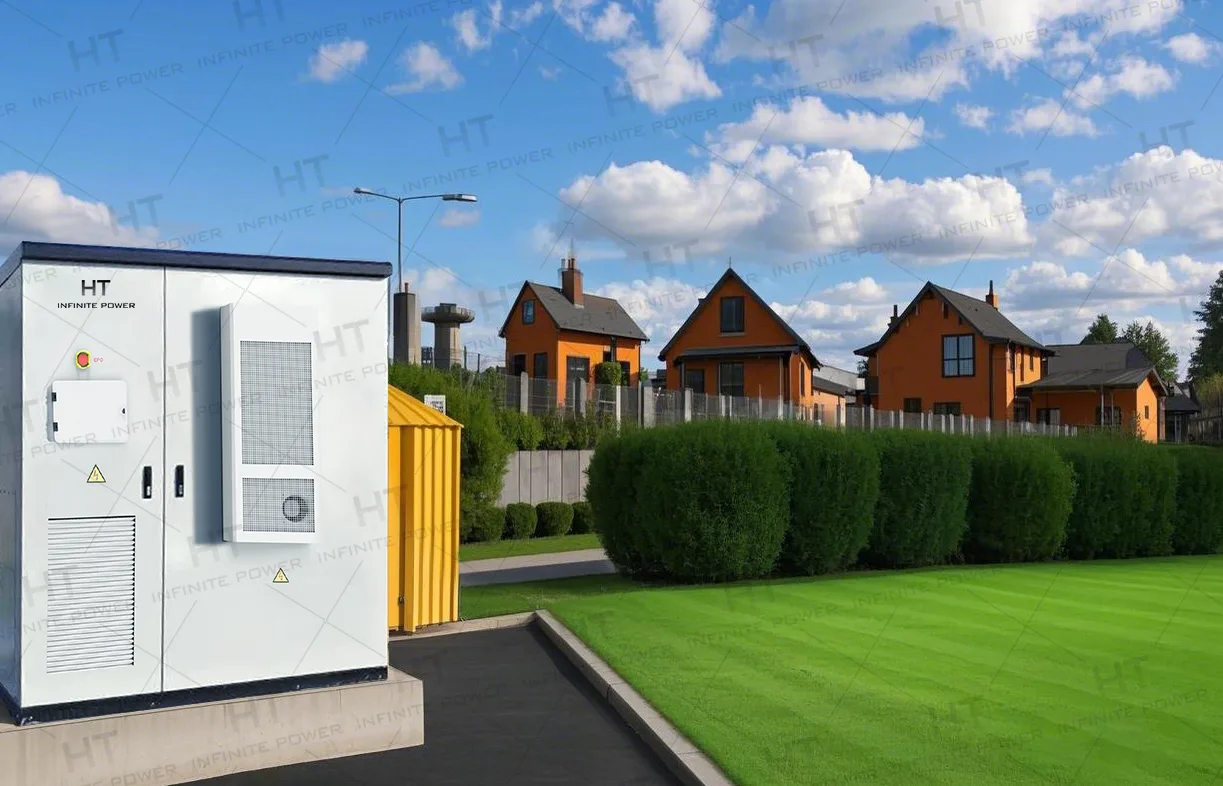
Solution:
Choose high temperature resistant batteries (such as lithium iron phosphate) and ensure that the heat dissipation system has a redundant design to avoid performance degradation due to overheating.
Point 3: High humidity and salt spray corrosion protection
Humid and salt spray environments will corrode batteries and electrical equipment, affecting system life. Typical areas include:
• Southeast Asia (such as Indonesia and Thailand): High humidity all year round can easily lead to circuit short circuits, and enclosures with IP65 and above protection levels are required.
• Coastal areas (such as China's southeast coast and Florida, USA): Salt spray is highly corrosive, and energy storage cabinets should use stainless steel or anti-corrosion coatings.

Solution:
Give priority to energy storage containers with good sealing properties, and regularly check electrical connection points to prevent oxidation.
Point 4: Battery performance guarantee in extremely cold climates
Low temperature can significantly reduce the charging and discharging efficiency of the battery, and even cause the electrolyte to freeze. Typical cold regions include:
• Northern Europe (such as Sweden and Norway): Winter temperatures can drop to -30°C, and a battery heating system is required.
• Northern Canada: Lithium-ion batteries may fail in extremely cold environments, so low-temperature-resistant lithium titanate batteries (LTO) can be considered.
Solution:
Integrate a temperature control module in the energy storage system to ensure stable operation of the battery in the range of -20°C to 50°C.
Point 5: Beware of extreme weather such as floods and hurricanes
Extreme weather such as floods and hurricanes may directly destroy energy storage facilities. High-risk areas include:
• Gulf Coast of the United States: Hurricanes are frequent, and energy storage systems should be fixed on the foundation and designed to be wind-resistant.
• Indo-Gangetic Plain and Bangladesh: Floods are rampant during the rainy season, and energy storage equipment should be installed elevated or deployed on flood control platforms.
Solution:
Refer to local building disaster resistance standards (such as the US FEMA flood zone specifications) to ensure that the energy storage system is higher than the highest historical flood level.
Conclusion
The site selection of industrial and commercial energy storage systems directly affects their safety, economy and service life. The geological and climatic conditions in different regions vary greatly, and site selection strategies need to be formulated according to local conditions. By avoiding earthquake zones, optimizing temperature control design, preventing corrosion, ensuring low-temperature operation and resisting extreme weather, companies can maximize the return on investment of energy storage systems and ensure long-term stable operation.
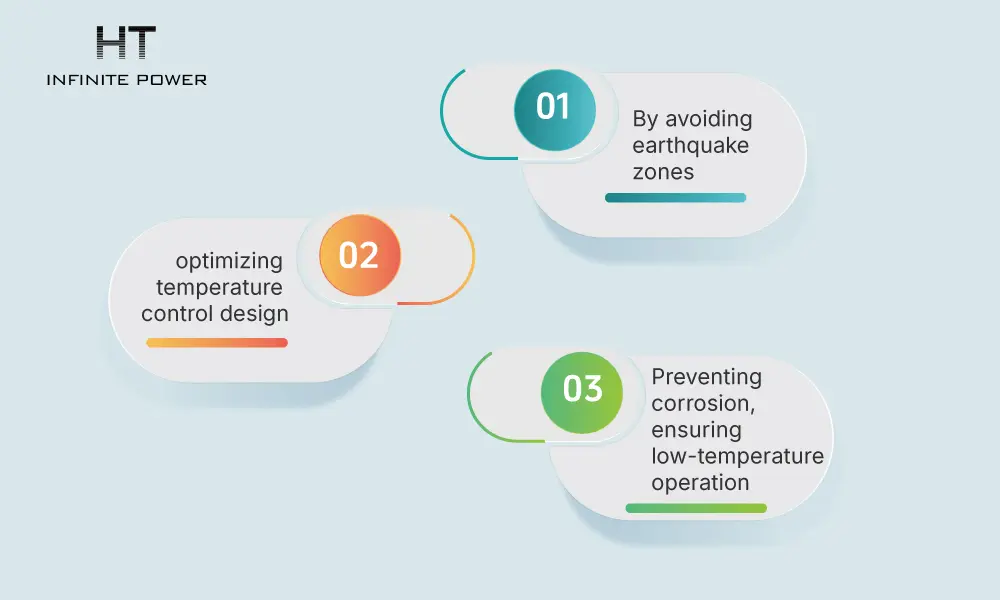
In the context of global energy transformation, scientific site selection will become a key step in the successful deployment of industrial and commercial energy storage.
Lithium battery knowledge | Why do lithium batteries need blue film?
6 Key Features of Energy Storage PCS You Should Know