Understanding Charge and Discharge Rates in Battery Energy Storage Systems
2026-05-13
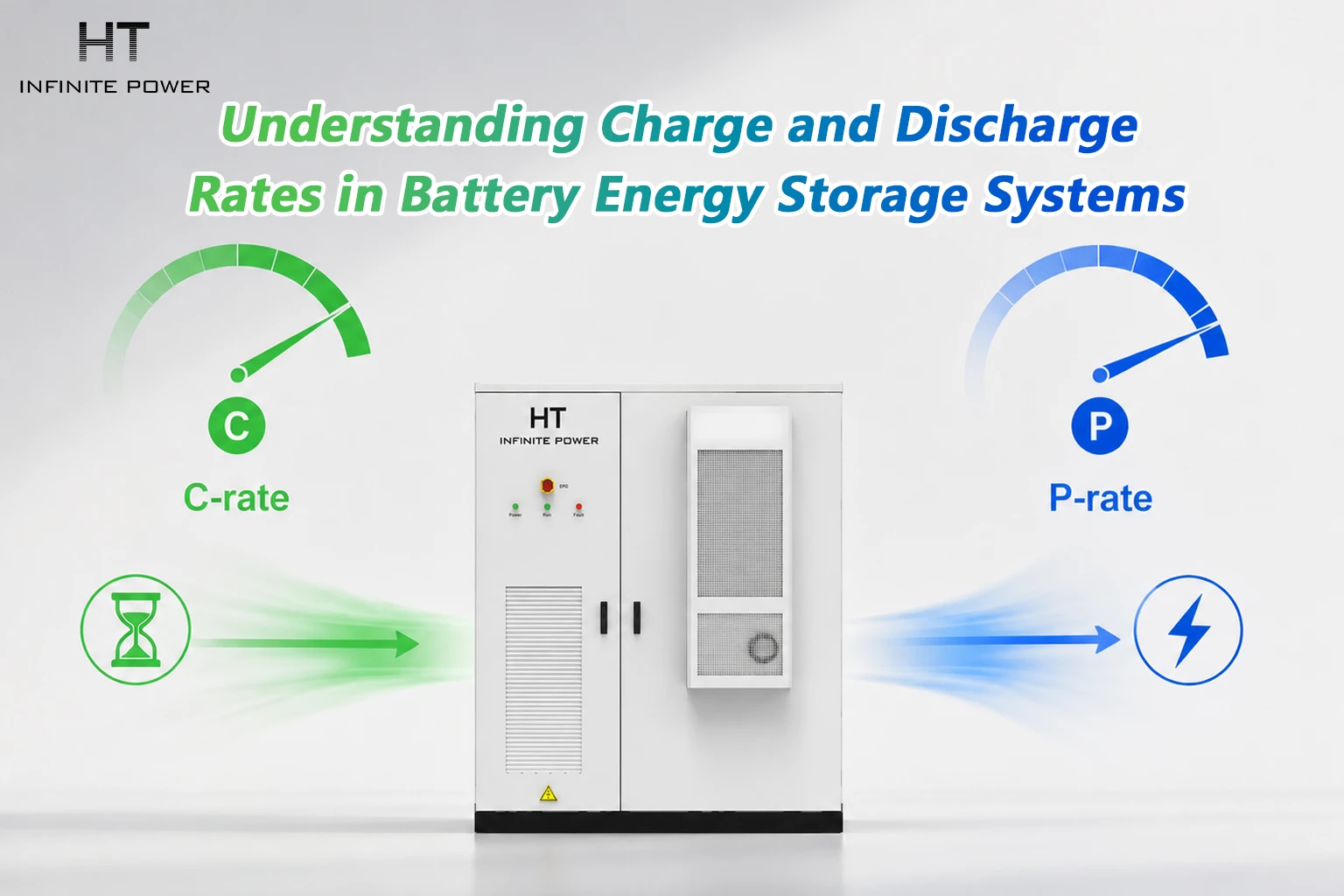
In modern energy storage systems, understanding how quickly a battery can charge and discharge is essential not only for operational efficiency but also for system longevity and safety. These characteristics, commonly described using C-rate and P-rate, are often mentioned in technical discussions, yet their practical implications are frequently misunderstood. In industrial and commercial battery projects, clarity on these parameters can significantly influence system design, cost optimization, and grid performance.
The Concept Behind Charge and Discharge Rates
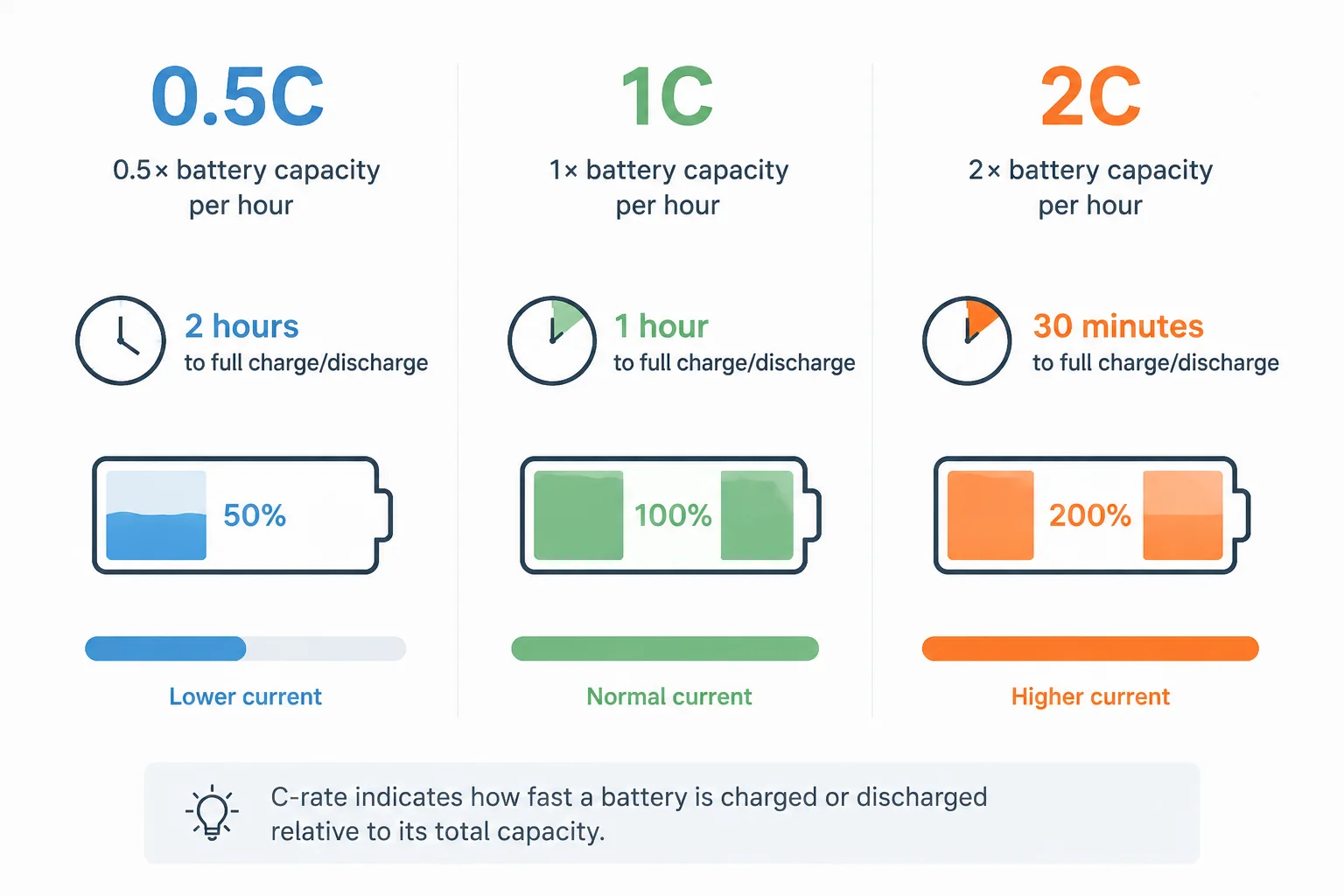
When discussing batteries, C-rate refers to the rate at which a battery is charged or discharged relative to its nominal capacity. For instance, a 1C rate indicates that a battery will be fully charged or discharged in one hour. A 0.5C rate would double that time, taking two hours, while a 2C rate would halve it to thirty minutes. In contrast, P-rate describes the instantaneous power relative to the battery's energy capacity, expressed in watts per kilowatt-hour (W/kWh).
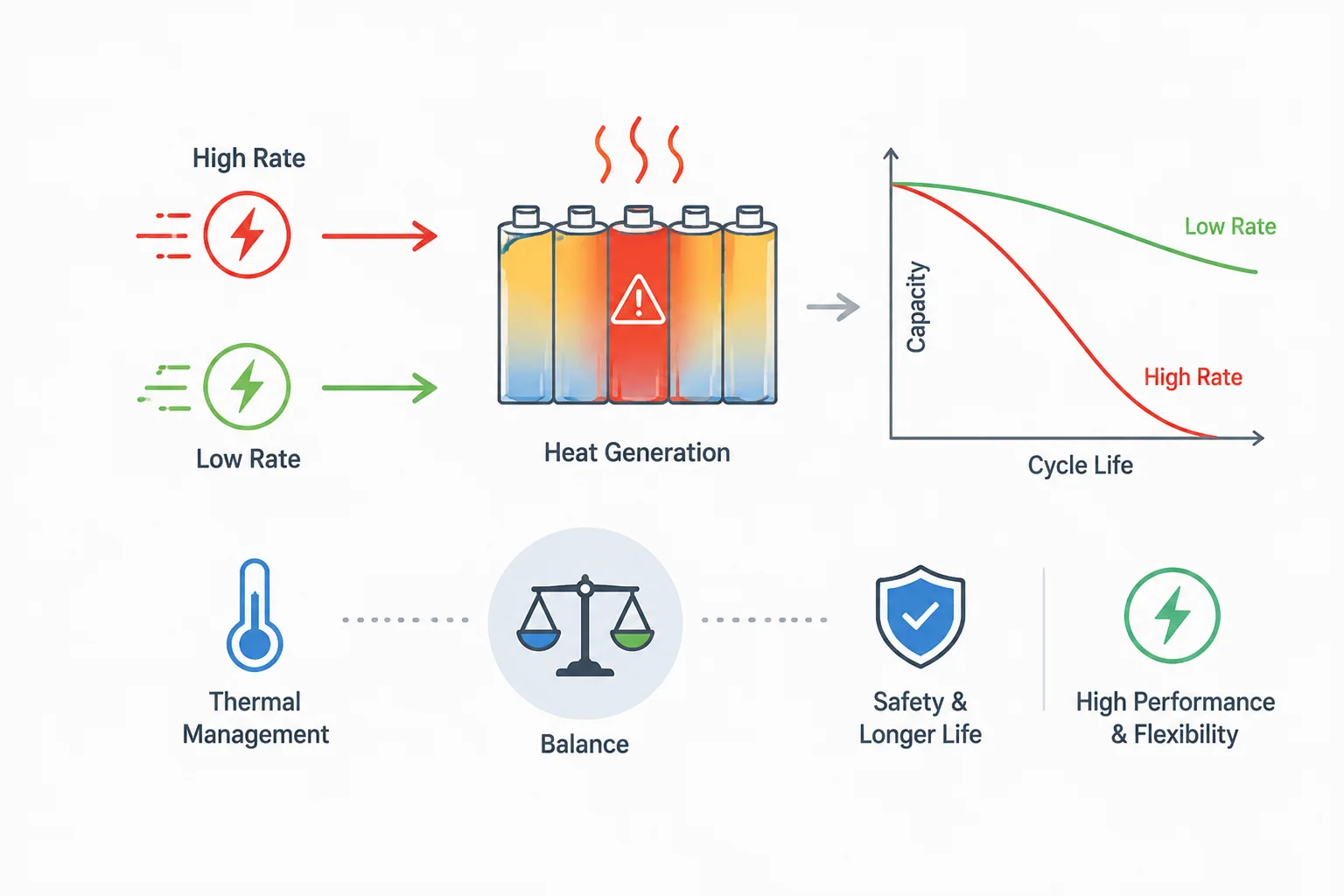
Although it is tempting to simplify the relationship—C-rate for "duration" and P-rate for "power"—the reality is more interconnected. Rapid discharges at high P-rates stress the battery’s internal chemistry, affect temperature management, and reduce cycle life. Conversely, slower discharges may leave the system underutilized, affecting operational efficiency and economic return.
Operational Importance of Charge and Discharge Rates
In commercial and industrial contexts, a battery system must often respond to fluctuating loads, store excess renewable generation, and deliver energy within seconds or minutes. Selecting the correct C-rate ensures that the battery can absorb and deliver power without excessive heat generation or degradation. Similarly, the P-rate determines the system’s ability to meet instantaneous load demands. A battery may have sufficient energy to supply a facility for hours, but if its P-rate is too low, it cannot handle sudden spikes, potentially affecting reliability and grid stability.
Thermal and Lifecycle Implications
High charge and discharge rates generate heat, which must be effectively managed to maintain safety and longevity. Even modest inefficiencies across numerous cells can create hotspots, accelerating capacity fade and reducing cycle life. Thermal management strategies—ranging from air cooling to liquid immersion—must account for anticipated rates of charge and discharge.
Designing conservatively may protect battery longevity but can limit operational flexibility. Services like frequency regulation, peak shaving, or integrating renewable energy require both rapid response and high energy throughput. The interplay between thermal, electrical, and operational constraints demands careful engineering and monitoring.
| Parameter | Definition | Practical Consideration |
| C-rate | Charge/Discharge rate relative to nominal capacity | Determines how quickly a battery can fully charge or discharge; high C-rates may accelerate heat generation |
| P-rate | Instantaneous power relative to energy capacity | Governs the ability to respond to load spikes and support grid stability |
| Cycle Life | Number of charge/discharge cycles before capacity drops to 80% | Higher rates and frequent cycling reduce lifespan |
| Thermal Load | Heat generated per unit energy transferred | Affects cooling system requirements and operational safety |
| Energy Throughput | Total usable energy over time | Influences revenue potential and operational planning |
Balancing Design and Performance
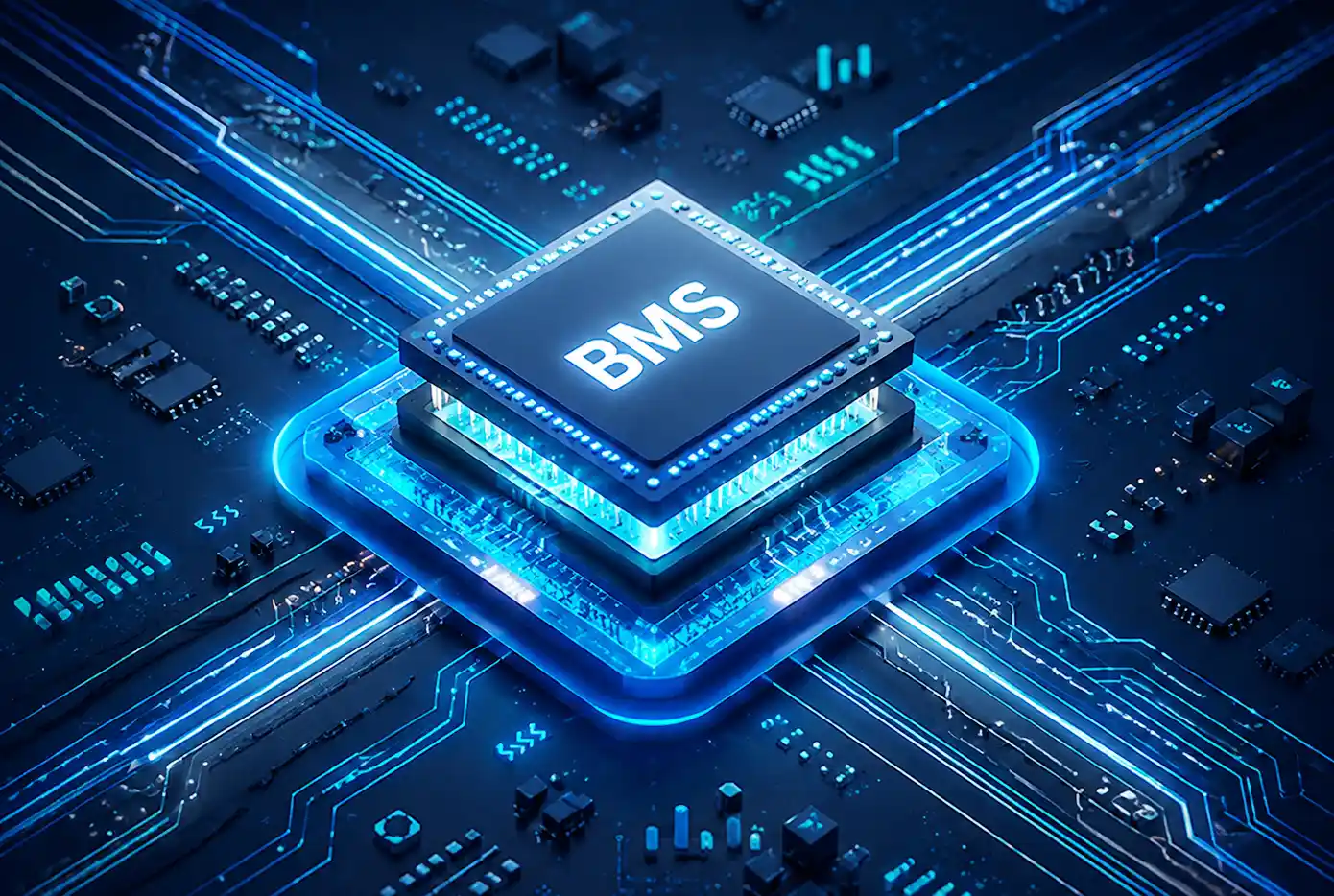
Engineering a large-scale battery system involves trade-offs between energy capacity, C-rate, and P-rate. Higher rates can improve operational flexibility but may require enhanced thermal management, more robust inverters, or even revised electrical layouts. Component variation, including differences in cells, modules, and controllers, adds complexity that must be addressed by a sophisticated battery management system (BMS). Advanced BMS platforms dynamically adjust output, redistribute load, and regulate charging to protect both performance and longevity.
Operational strategies also play a crucial role. During periods of high renewable generation, a system may absorb energy at slightly lower C-rates to prevent overheating, while during demand spikes, it may prioritize P-rate capacity, temporarily accepting higher stress. Predictive analytics, real-time monitoring, and historical load data inform these strategies, ensuring safe and efficient performance.
Chemistry Choices and Their Impact
Battery chemistry significantly influences how a system handles charge and discharge rates. Lithium iron phosphate (LFP), for example, offers moderate energy density with strong thermal stability and long cycle life under high P-rate conditions. Emerging technologies, such as sodium-ion or solid-state batteries, offer trade-offs in terms of energy density, cost, and operational limits, but each requires careful rate management to maximize safety and performance.
Integrated Design Philosophy
Understanding C-rate and P-rate extends beyond definitions—it is central to integrating battery systems safely, efficiently, and cost-effectively. Thermal dynamics, control strategies, and electrical architecture must all account for these rates to optimize both longevity and operational value. Systems that balance rapid response with careful management of heat, degradation, and power delivery achieve the most consistent and economically viable performance.
Conclusion
Charge and discharge rates are not merely specifications—they are fundamental parameters that dictate the design, operation, and longevity of battery energy storage systems. By integrating these considerations into system architecture, thermal management, and operational strategy, engineers and operators can achieve reliable, efficient, and safe storage solutions that meet modern energy demands.
In practice, understanding and managing these rates transforms a battery from a static energy container into a dynamic, responsive, and durable component of the energy infrastructure.
High-Voltage Cascaded Energy Storage Systems: Rethinking Large-Scale Grid Storage
STS vs Online UPS: Why 10ms and 0ms Can Decide Whether Equipment Stays Online