Batteries vs. Generators Backup Power Solution: A Comprehensive Comparison
2025-08-07

Introduction: Why Reliable Backup Power Matters
When the grid goes down—be it a thunderstorm, equipment failure, or routine maintenance—you need power. Not tomorrow. Not in 30 seconds. Right now. Whether you’re preserving medicine in a refrigerator or keeping assembly lines humming, uninterrupted electricity is vital. Generators have been the go-to for decades, but batteries have surged onto the scene, promising silent, emission-free switchover. Which should you choose? This comparison dives into how each technology works, what they cost, and how they fare on performance, reliability, and environmental impact—so you can decide with confidence.
Generator Basics: How Standby Generators Deliver Power
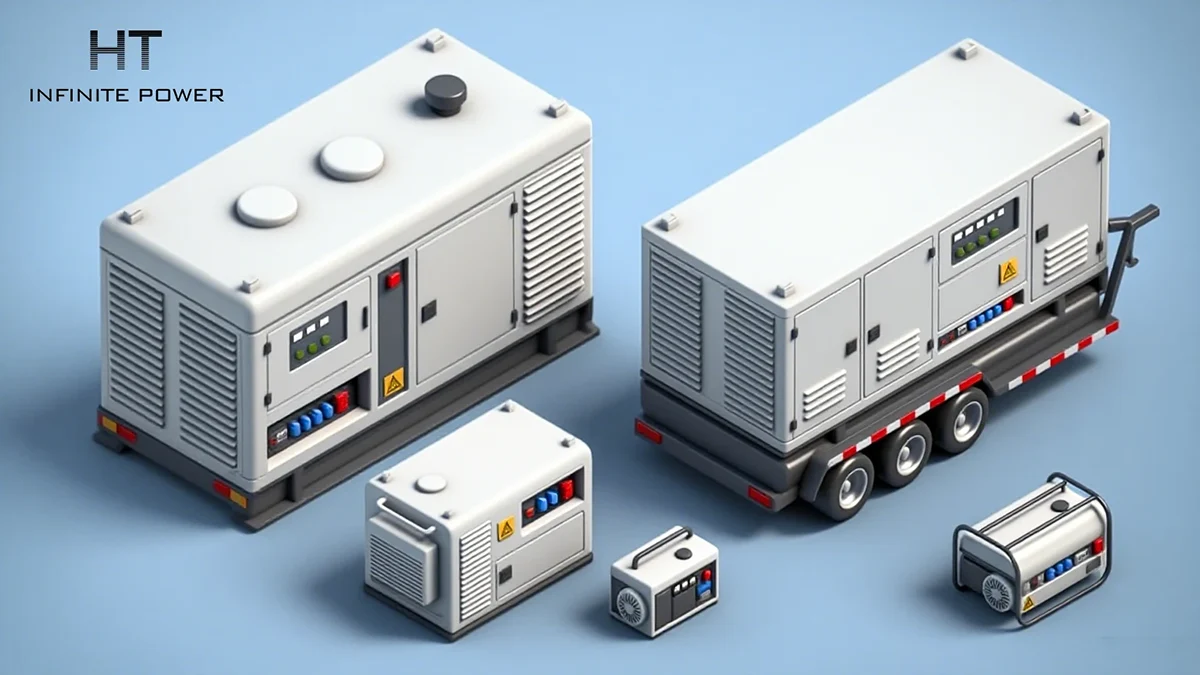
Generators run on fuel to spin an alternator, converting mechanical force into electricity. Most systems use an Automatic Transfer Switch (ATS) that detects grid failure and fires up the engine within seconds. Thanks to proven diesel or gas engines, generators can run indefinitely—limited only by fuel logistics.
1.Fuel Types: Diesel, Natural Gas, Propane
Diesel generators pack high energy density in small space, ideal for heavy-load commercial use. Natural gas versions tap into existing pipeline infrastructure for continuous operation but depend on uninterrupted supply. Propane models offer cleaner emissions and portability, yet require regular tank refills and may struggle in subzero climates.
2.Startup Delay and Runtime Limits
A quick flip on most gensets means power in 10–30 seconds—long enough to trip sensitive electronics without UPS buffering. Runtime depends on tank size: a 200 gallon diesel tank at 4 gal/hr gives ~50 hrs continuous output; refill logistics and noise ordinances then become critical considerations.
Battery Storage Fundamentals: Instant, Silent, Clean
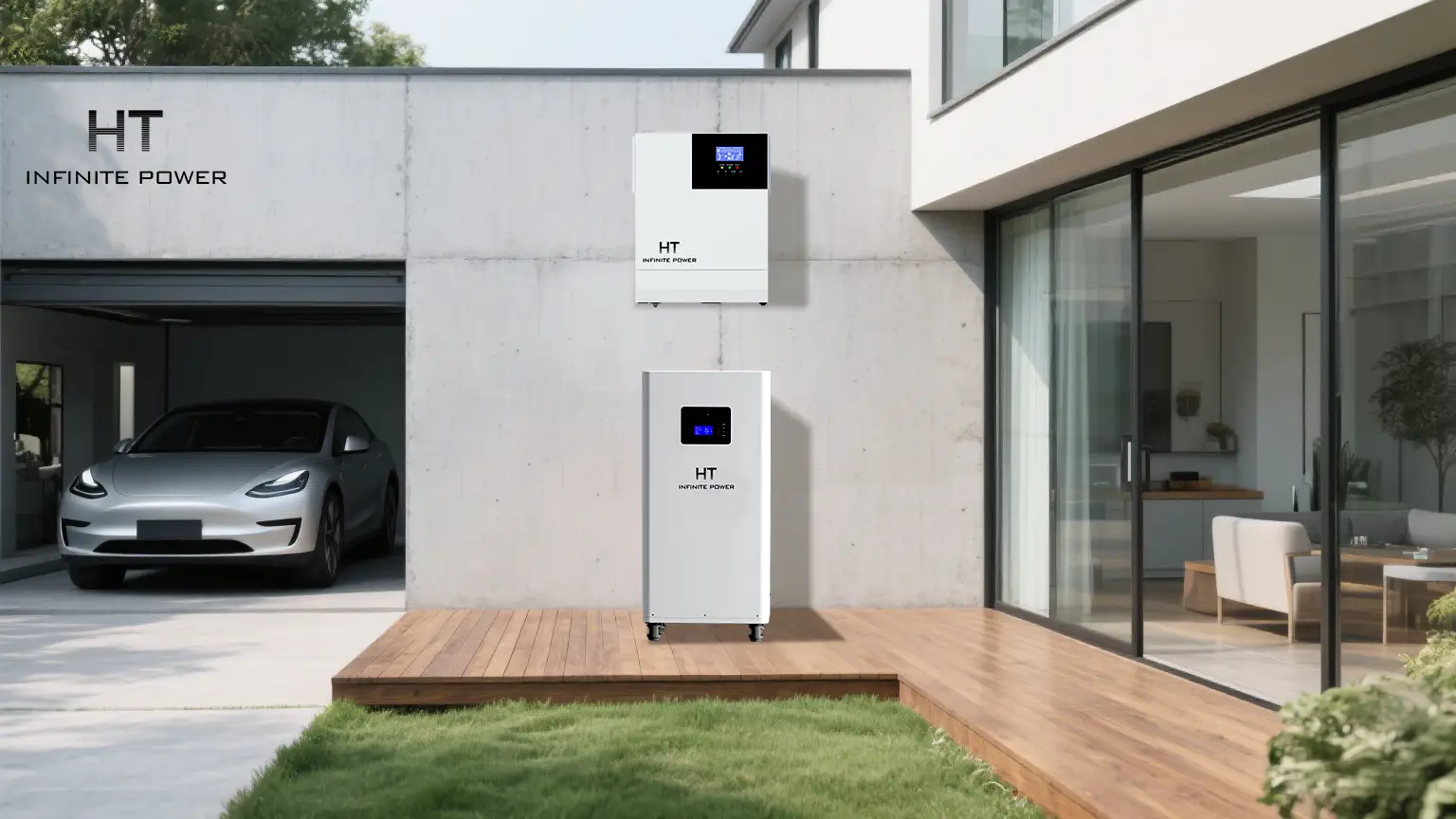
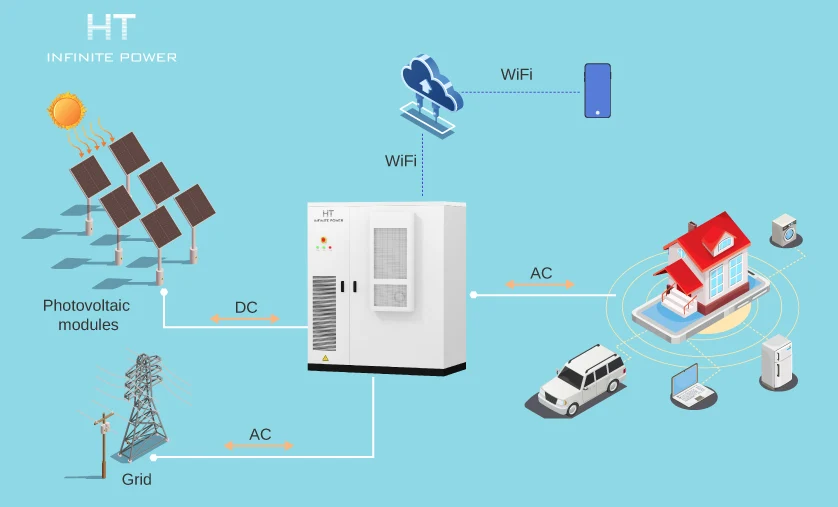
Batteries store energy chemically, ready to discharge at a moment’s notice. Inverters convert DC to AC, and a Battery Management System (BMS) keeps each cell’s voltage and temperature in check. When the grid falters, batteries switch over in less than 1 second, avoiding any flicker. They’re scalable, modular, and whisper-quiet—perfect for noise-sensitive environments.
1.Common Chemistries: Lead-Acid, Lithium-Ion, Flow Batteries
Lead-acid: the old guard—cheap but heavy, with limited cycle life.
Lithium-Ion: the workhorse of modern storage, balancing energy density, cycle life, and cost—now down to ≈$110/kWh as of mid-2025, according to BloombergNEF’s latest pack-price survey (source).
Flow Batteries: large footprint but virtually unlimited cycle life and easy power/energy scaling..
Lithium-Ion: the workhorse of modern storage, balancing energy density, cycle life, and cost—now down to ≈$110/kWh as of mid-2025, according to BloombergNEF’s latest pack-price survey (source).
Flow Batteries: large footprint but virtually unlimited cycle life and easy power/energy scaling..
2.Key Components: Inverter, BMS, and Control Software
The inverter is the traffic cop, shifting DC to AC on demand. BMS acts as a watchdog—tracking cell health hundreds of times a second and preventing overcharge or overheating. Overlaying it all, Energy Management Software integrates weather forecasts, time-of-use rates, and load profiles, ensuring you only draw from the grid when it makes financial sense.
Cost Considerations: Upfront and Over Time
1.Capital Expense Comparison
Installing a standby generator today typically ranges between $500 and $1,200 per kW of capacity, depending on brand, emissions controls, and installation complexity. On the battery side, global averages for lithium-ion storage systems sit around $400–$800 per kWh installed (system-wide), with prices lowest in China and Europe and slightly higher in other markets.
2.Operating & Maintenance Costs
- Generators: Require fuel (diesel or gas), routine oil and filter changes every 200–500 hours, and annual load-bank tests. Fuel costs vary by region but often fall between $0.80–$1.50 per liter for diesel.
- Batteries: Draw electricity (from grid or renewables) at local rates—commonly $0.05–$0.25 per kWh worldwide—and need minimal upkeep: firmware updates, periodic cell health checks, and air-flow inspections, typically once or twice per year.
(1).Fuel vs. Electricity Price Trends
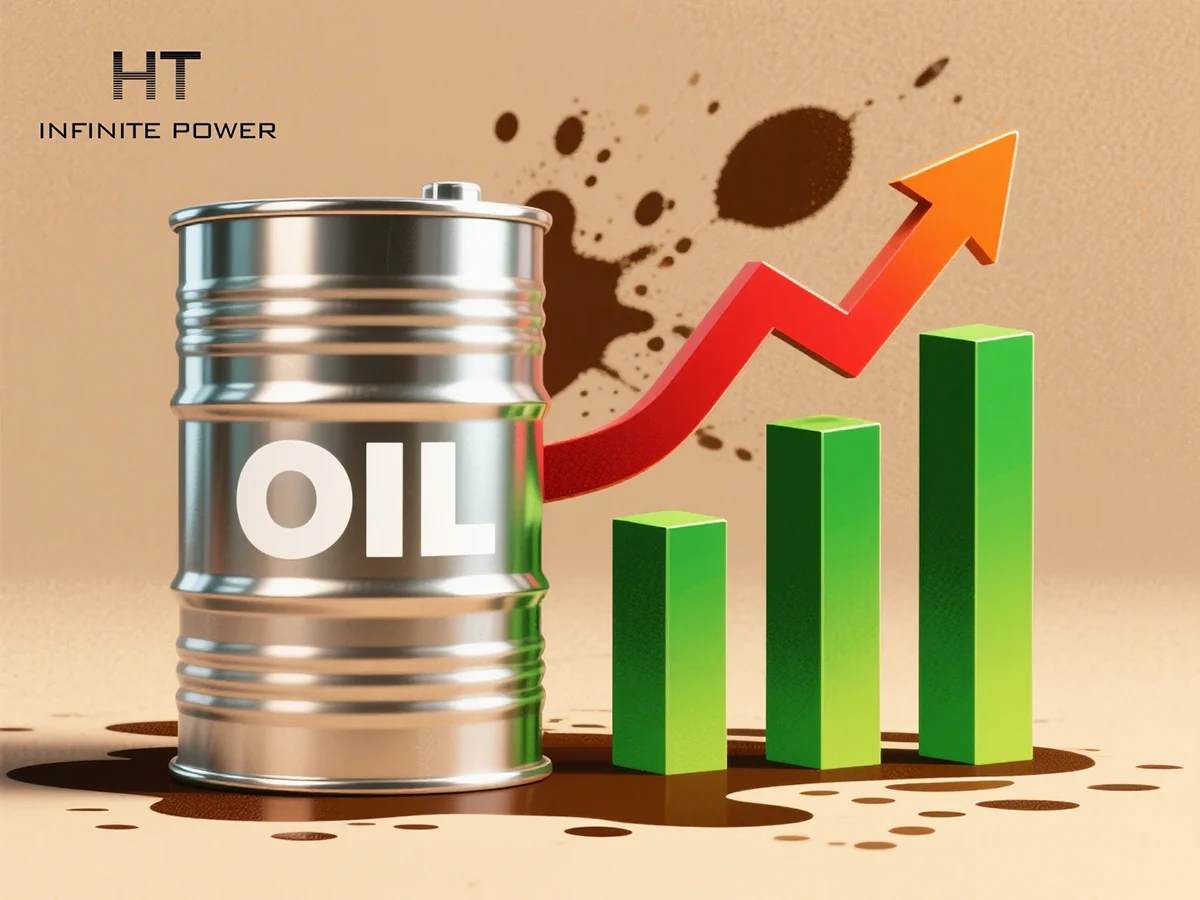
Diesel costs can swing 20% year-over-year; electricity rates often rise steadily by 3–5% annually. Over a decade, fuel volatility can double backup costs, whereas well-managed battery “fuel” stays predictable and low.
(2).Scheduled Servicing vs. Firmware Updates
Generator service intervals every 2,000 hrs translate to quarterly visits; batteries typically need semi-annual check-ups and over-the-air firmware patches that don’t interrupt operations.
Performance & Reliability: Response, Capacity, Scalability
1.Response Speed and Seamless Switchover
Blink and you miss it: batteries transition in <1 sec, keeping UPS-protected servers, medical devices, and smart home systems humming without a hiccup. Generators need buffer power (UPS or capacitor banks) to cover their 10–30 sec ramp-up.
2.Load-Handling and Scalability for Homes & Businesses
A single generator might max out at 200 kW, but pairing batteries is as simple as adding modules—need more runtime? Stack extra kWh. Need more punch? Parallel inverters boost kW. That modularity turns batteries into the Lego bricks of backup design.
Environmental & Community Impact
1.Emissions, Noise, and Air Quality
Generators billow NOx and soot; they roar past 70 dB, annoying neighbors. Batteries operate silently and emit zero pollutants onsite, making them ideal for schools, hospitals, and residential zones.
2 Lifecycle Carbon Footprint
Over a 15-year span, a battery system charged with 50% solar and 50% grid emits ~0.2 kg CO₂/kWh, versus generators at 0.7–1.0 kg CO₂/kWh. Pairing storage with renewables slashes emissions further, contributing to corporate ESG targets.
Use-Case Scenarios: When to Choose What
1.Residential Backup During Storms
A 10 kWh home battery can power lights, fridge, and Wi-Fi through 8 hrs of outage. No noise, no fumes—kids sleep undisturbed, and food stays fresh.
2.Commercial Peak Shaving & Outage Protection
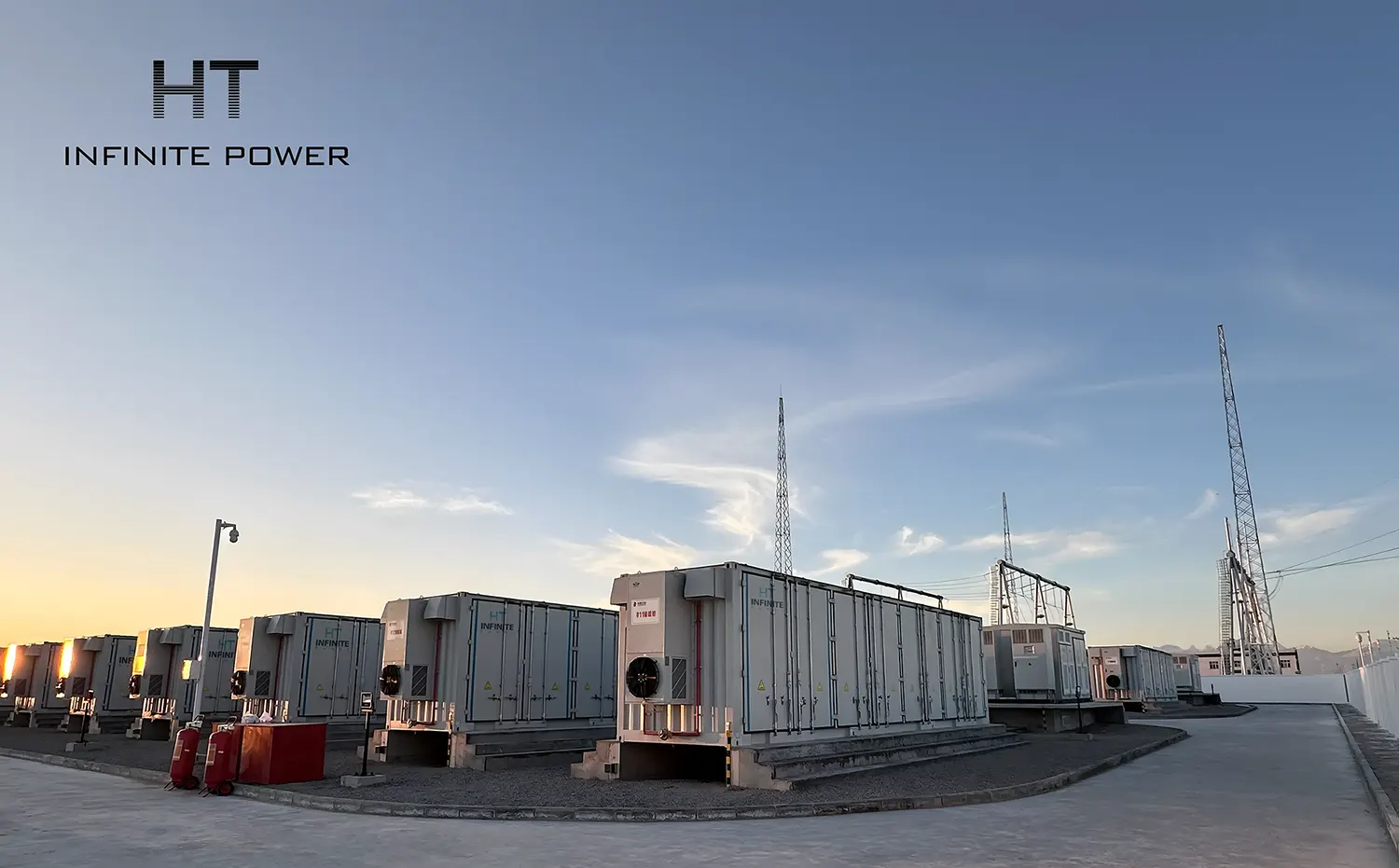
Warehouses, data centers, and factories deploy 100 kW–1 MW systems to shave expensive peaks and ride through outages. Even a 5 min grid hiccup can cost $10,000; batteries ensure continuity without fuel logistics.
Hybrid Approaches & Future Trends
1.Combined Generator-Battery Microgrids
Hybrid setups leverage battery speed for six-second blackouts and generators for multi-day outages—ideal for campuses and remote microgrids. Smart controllers decide which to fire based on fuel price, weather, and critical load needs.
2.Emerging Technologies: Solid-State, Fuel Cells, AI
Solid-state promises 2× energy density; hydrogen fuel cells offer multi-day backup fueled by electrolyzers; AI-driven forecasting slashes wear by predicting grid events and optimizing dispatch. The future is dynamic, predictive, and greener.
Selecting Your Ideal Backup Solution
Match your peak power demand (kW) to generator or inverter ratings, and your required runtime (kWh) to tank size or battery capacity. Factor space, noise restrictions, budget, and incentives like the U.S. ITC. Run a simple payback model: divide net system cost by annual bill savings to estimate ROI. Balancing these elements ensures your backup choice isn’t just a band-aid but a strategic asset.
Conclusion: Informed Choices for Uninterrupted Power
No silver bullet exists. Generators deliver limitless runtime but pollute and lag; batteries switch instantly and run clean but need recharging. Often, a hybrid system—harnessing each technology’s strengths—provides the most resilient, cost-effective solution. By understanding these trade-offs, you can design backup power that keeps your lights on, your business running, and your community safe—no matter what tomorrow brings.
Frequently Asked Questions (FAQs)
1 Can batteries fully replace a standby generator?
Batteries shine for short to medium outages (<4 hrs) and sensitive electronics, but for multi-day blackouts without renewables, generators or hybrids remain essential.
2 How often should I service a generator vs. a battery system?
Generators: monthly load tests and annual engine maintenance. Batteries: semi-annual firmware updates and annual cell inspections—less labor-intensive overall.
3.How long do home battery systems last?
Modern lithium-ion banks last 10–15 years under 50–70% DoD, retaining >80% capacity after 3,000+ cycles. Lead-acid alternatives average 3–5 years.
4.Are hybrid generator-battery systems cost-effective?
Yes—hybrids optimize fuel use and cycle life, reducing total cost of ownership by up to 20% compared to standalone solutions.
Battling EV Charging Spikes: The Role of Commercial-Scale Storage in Peak Load Management
Five Common Myths About Battery Storage Debunked