AI-Powered EMS: Smarter Control for Industrial Energy Storage Systems
2025-10-23
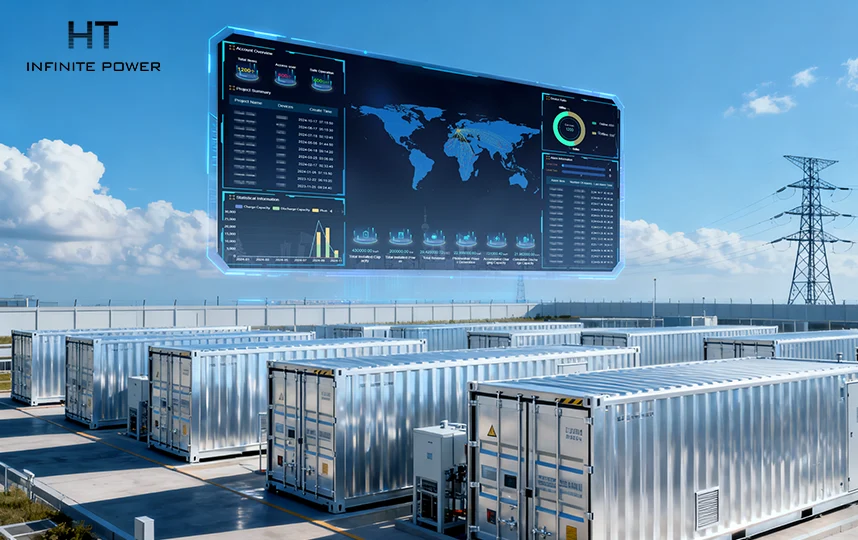
Industrial energy storage systems (ESS) are evolving beyond static installations. The integration of AI-powered Energy Management Systems (EMS) allows operators to dynamically optimize energy flows, anticipate demand, and respond intelligently to grid signals. This not only improves operational efficiency but also extends battery lifespan, reduces costs, and enables more reliable participation in ancillary services. From predictive maintenance to real-time energy dispatch, AI is transforming industrial storage into a strategic asset rather than just infrastructure.
Introduction: The Role of AI in Industrial Energy Storage
Traditional EMS relies on pre-defined rules and schedules, which are often insufficient in complex industrial environments. Variations in load, fluctuating renewable generation, and dynamic electricity prices require a more flexible approach. AI-powered EMS leverages machine learning algorithms and predictive analytics to make real-time decisions, balancing energy supply, demand, and storage capabilities. For example, a manufacturing facility integrating AI EMS could reduce peak demand charges by 10–12% while increasing self-consumption of onsite solar generation.
How AI-Powered EMS Works
Intelligent Energy Dispatch
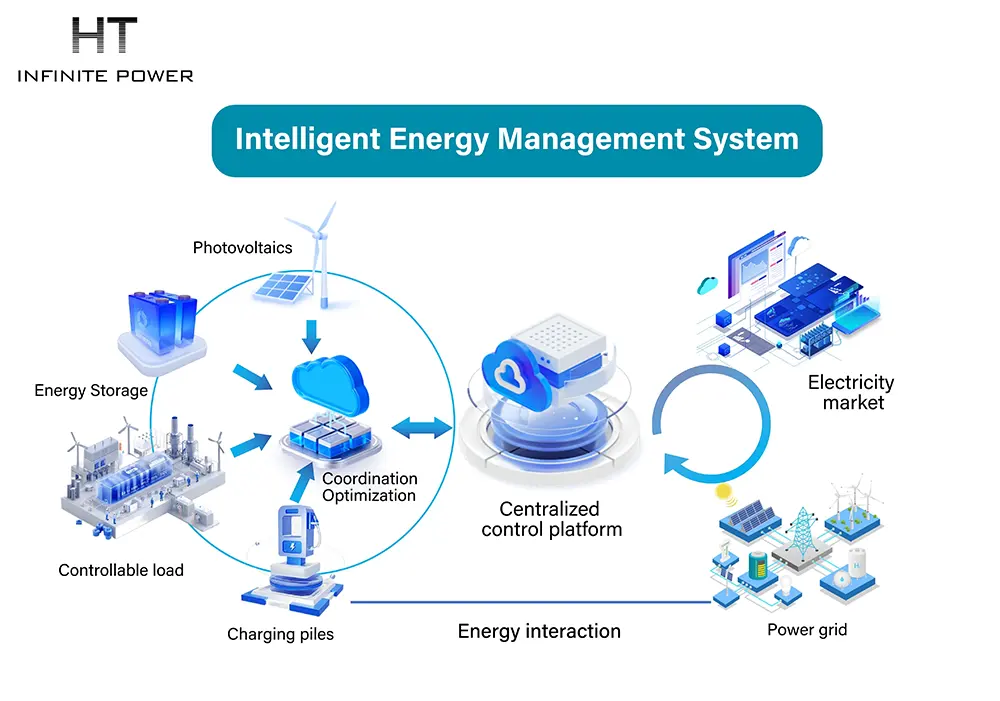
AI algorithms analyze historical and real-time data to determine optimal charge and discharge cycles. Unlike conventional EMS, AI considers multiple factors simultaneously, such as:
Electricity price fluctuations and demand charges
Forecasted renewable generation
Battery health and degradation patterns
Forecasted renewable generation
Battery health and degradation patterns
For instance, a European chemical plant using AI EMS was able to shift 15% of its energy consumption to off-peak hours automatically, translating into substantial operational savings.
Predictive Maintenance and Fault Detection
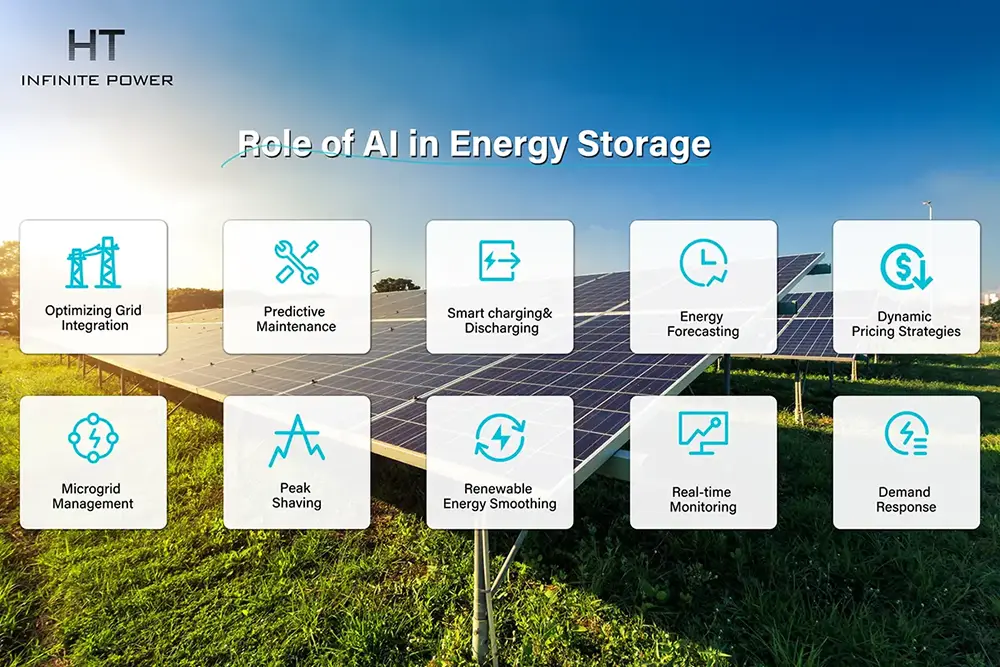
Predictive analytics enables AI EMS to anticipate battery or inverter failures before they occur. Sensors monitor voltage, temperature, and current across battery cells, feeding data into the AI system. The AI then detects anomalies, alerts maintenance teams, and schedules preventive actions. Real-world deployments have shown a 20% reduction in unplanned downtime and a 10–15% extension of battery life.
Load Forecasting and Optimization
AI EMS forecasts short-term load and generation patterns with high accuracy. By predicting energy demand 24–48 hours ahead, the system can optimize storage utilization:
- Minimizing unnecessary cycling
- Reducing operational costs
- Enhancing participation in demand response programs
A commercial microgrid in Spain, for example, integrated AI EMS to align battery usage with solar output and market pricing, achieving 8% cost reduction and smoother load profiles.
Key Benefits for Industrial Operators
Operational Efficiency and Cost Savings
By dynamically adjusting energy flows, AI-powered EMS maximizes battery efficiency and reduces waste. Operators can capture value from multiple revenue streams, including peak shaving, demand response, and ancillary services. Studies indicate potential operational cost savings of 5–15% compared to traditional EMS setups.
Enhanced Reliability and Grid Support
AI EMS improves response time to grid events, enabling industrial facilities to participate in frequency regulation and grid stabilization. This enhances system reliability while supporting broader renewable integration.
Strategic ESG Benefits
Optimized battery usage and predictive maintenance contribute to lower carbon emissions and longer asset lifespans. Companies adopting AI EMS demonstrate stronger alignment with ESG goals and sustainability reporting standards.
Real-World Applications
Manufacturing Facilities
Factories with fluctuating loads benefit most from AI EMS. By predicting energy peaks and scheduling storage dispatch, plants reduce peak demand charges and avoid unnecessary battery cycling. A German automotive plant reported a 12% reduction in peak energy costs within six months of AI EMS deployment.
Commercial Buildings and Microgrids
Office complexes and campuses coordinate multiple storage units, rooftop PV, and HVAC systems using AI EMS. This results in optimized energy consumption, cost savings, and improved grid interaction.
Renewable Energy Integration
AI EMS smooths the integration of variable renewable energy. In Italy, a solar-plus-storage
Challenges and Considerations
Data Quality and System Integration
AI EMS requires high-resolution, accurate data. Poor sensor calibration or delayed data can compromise predictions. Integration with legacy BESS and SCADA systems may also pose challenges.
Cybersecurity and Safety
Connectivity introduces potential cyber risks. Industrial operators must implement robust security protocols to protect EMS communications and prevent operational disruptions.
Costs and ROI
Initial AI EMS deployment may require software licenses, sensors, and integration efforts. However, long-term operational savings, extended battery life, and improved revenue streams generally justify the investment.
Future Trends
Multi-Site Optimization
AI EMS will coordinate energy storage across multiple industrial sites, enabling aggregated services and optimized asset utilization.
Lifecycle and Degradation Management
Advanced AI models will manage battery health at the cell level, predicting degradation patterns and recommending optimal usage to extend service life.
Integration with IoT and Smart Grids
The convergence of AI, IoT, and smart grids will allow real-time energy trading, automated grid support, and more dynamic industrial energy management.
Conclusion
AI-powered EMS represents a paradigm shift in industrial energy storage. By enabling smarter control, predictive maintenance, and optimized energy dispatch, it enhances operational efficiency, reduces costs, and strengthens ESG performance. Industrial operators adopting AI EMS early position themselves to gain competitive advantage, resilience, and long-term sustainability.
FAQ
Q1: What is AI-powered EMS?
A: An AI-powered EMS is an intelligent system that uses machine learning to optimize battery dispatch, forecast loads, and improve energy storage efficiency.
Q2: How much cost saving can AI EMS deliver?
A: Depending on load profiles and renewable integration, industrial facilities can achieve 5–15% operational cost reduction.
A: Depending on load profiles and renewable integration, industrial facilities can achieve 5–15% operational cost reduction.
Q3: Can AI EMS integrate with existing batteries?
A: Yes, most systems can be retrofitted, although sensor upgrades and communication interface adjustments may be required.
A: Yes, most systems can be retrofitted, although sensor upgrades and communication interface adjustments may be required.
Q4: What are the main challenges of AI EMS adoption?
A: Key challenges include data quality, integration with legacy systems, cybersecurity, and upfront deployment costs.
A: Key challenges include data quality, integration with legacy systems, cybersecurity, and upfront deployment costs.
Q5: Is AI EMS suitable for all industrial sites?
A: Sites with variable loads, renewable integration, or participation in demand response programs benefit most from AI EMS.
A: Sites with variable loads, renewable integration, or participation in demand response programs benefit most from AI EMS.
Grid-Scale vs Distributed Storage: Where the Real Growth Lies
Why Modular Energy Storage Systems Are the Future of Scalable Power Solutions