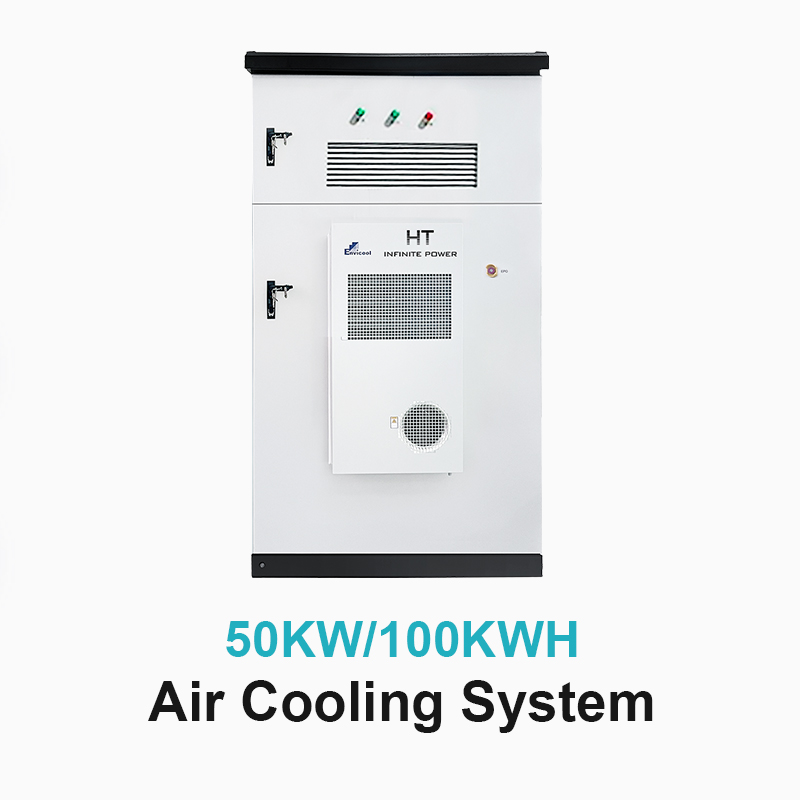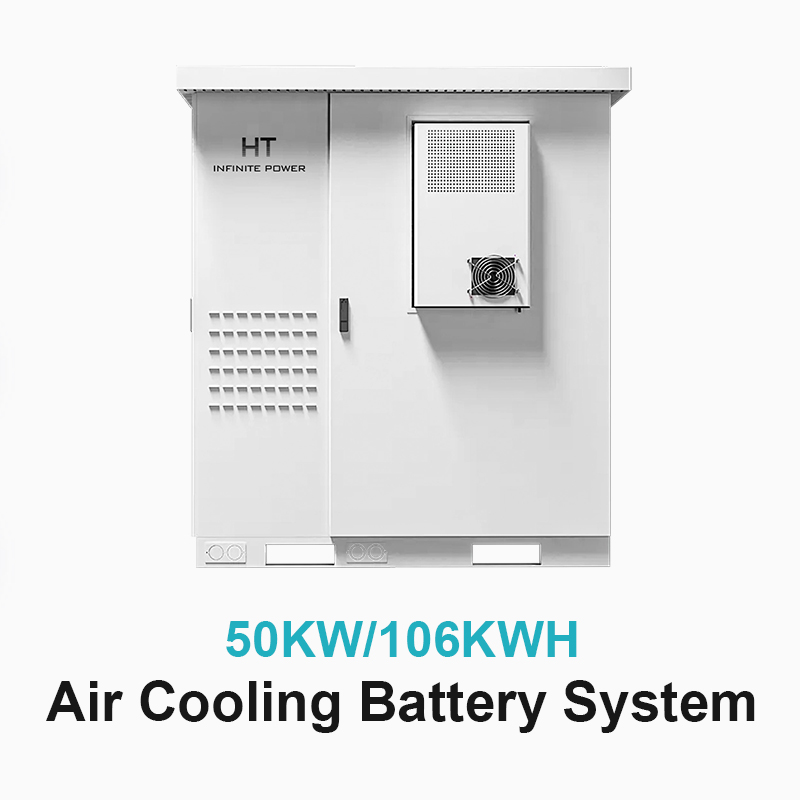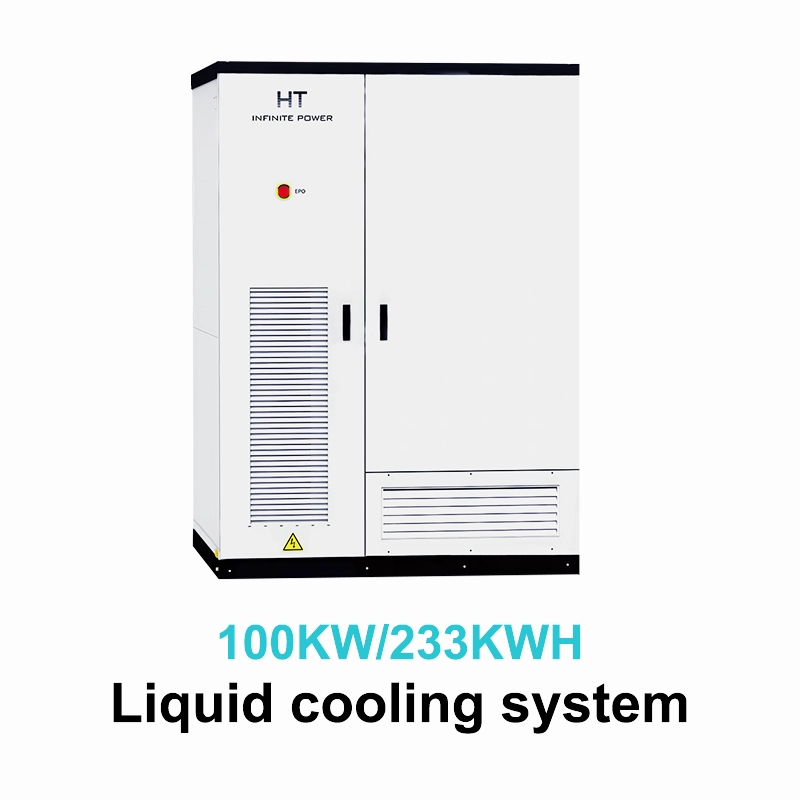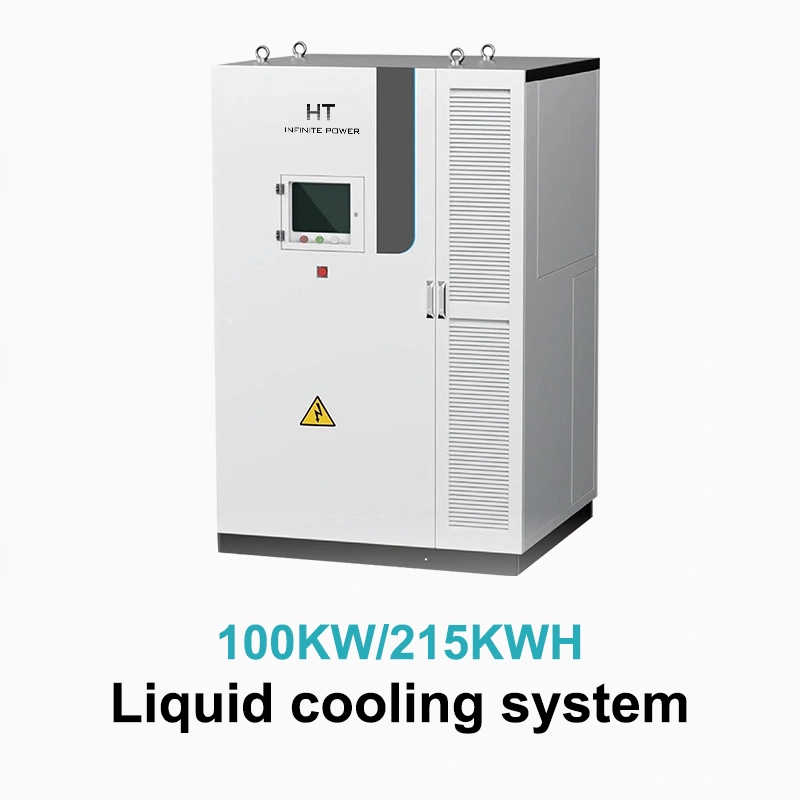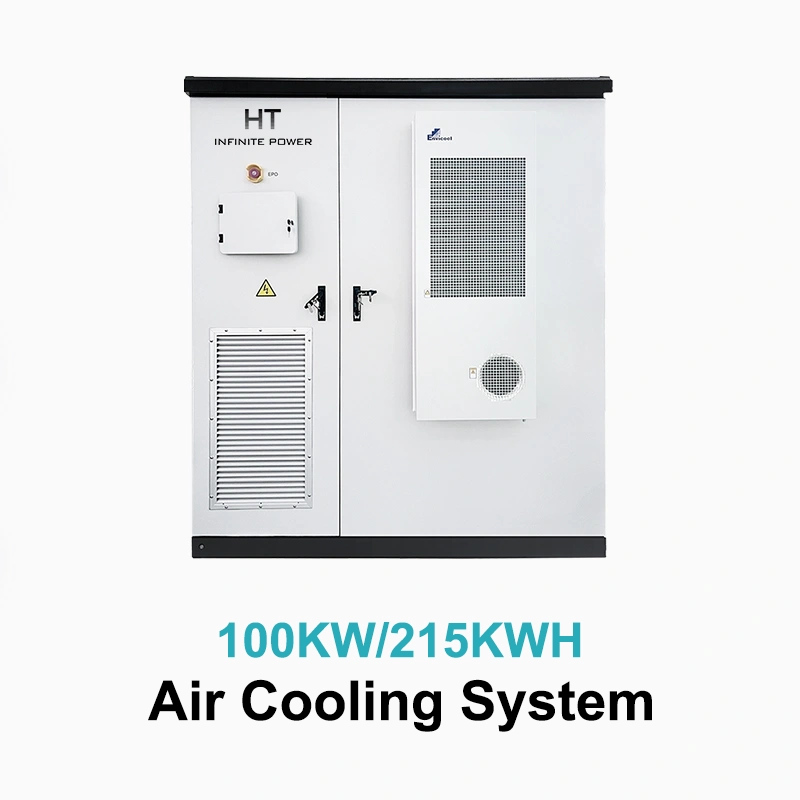
Dual Capacity Models
Pick 50 kWh for standard daily cycling or 60 kWh when you need extra runtime
All-in-One Cabinet
Batteries, inverter, EMS, BMS, and protections are pre-wired for clean installation

High Efficiency
Up to 98.9 % round-trip; 30 kW continuous output with 33 kVA peak

Intelligent Control
EMS handles scheduling, state-of-health monitoring, and remote diagnostics over CAN/RS-485/Ethernet/WiFi.

Long Cycle Life
LiFePO₄ chemistry rated for 6,000+ cycles @ 90 % DoD
Technical Specifications of Industrial Battery Storage Systems
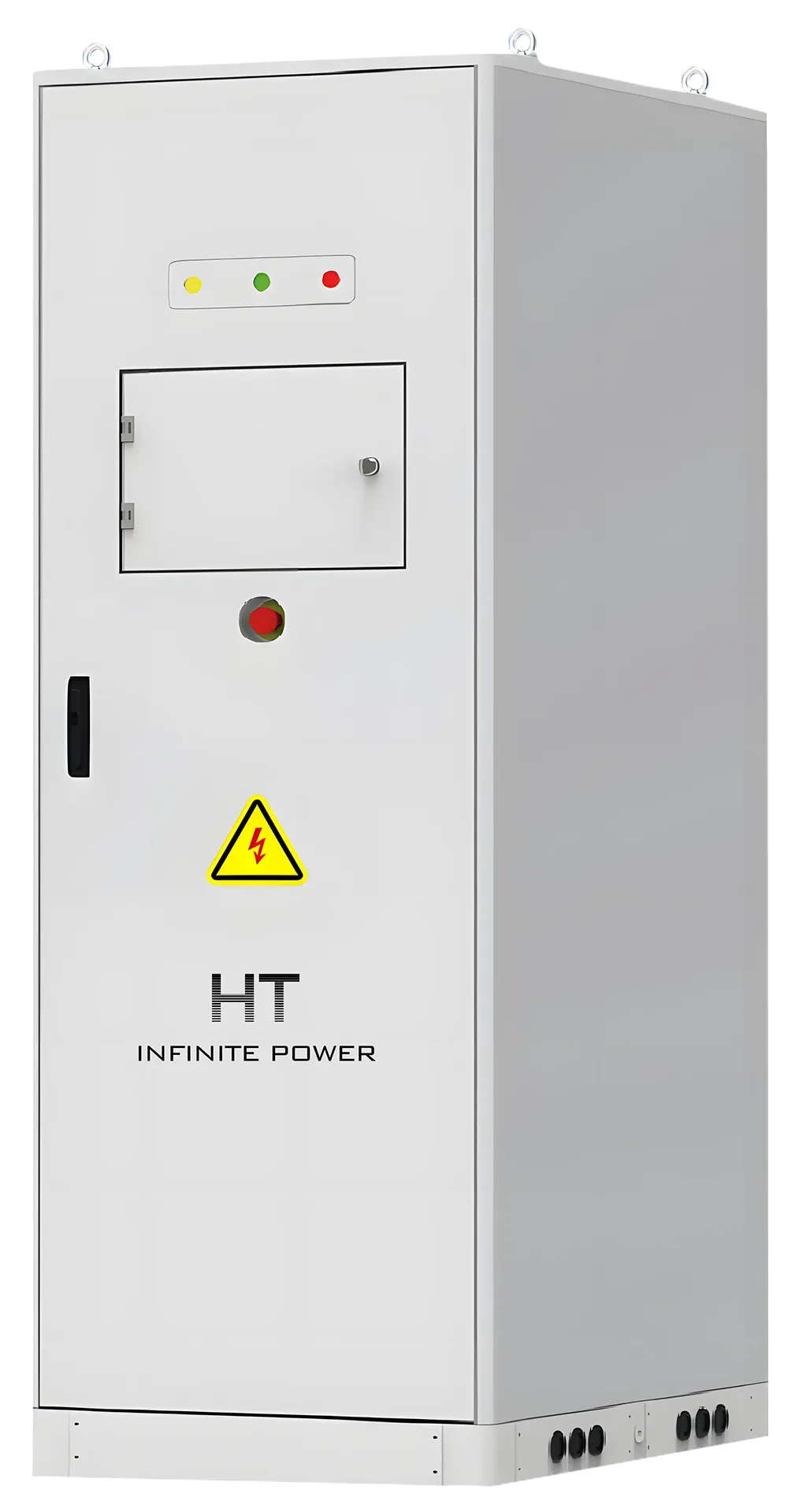

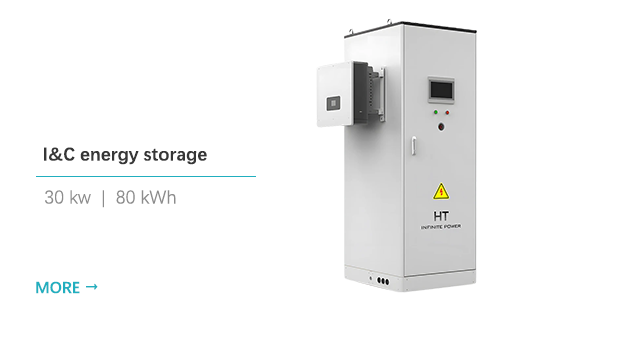
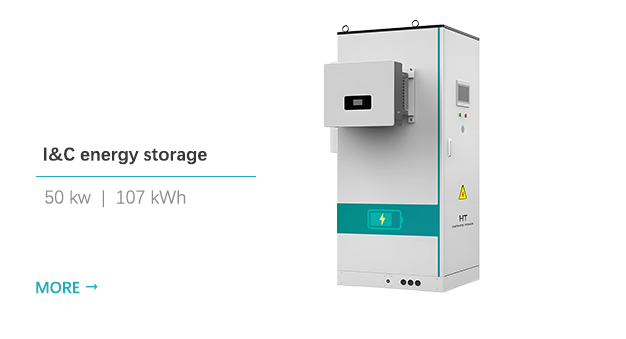
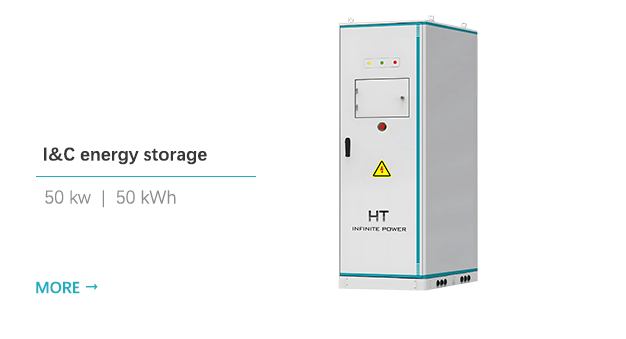
30kW/50kWh&60kWh
Industrial Battery Storage Systems
Battery Parameters
Usable Capacity:
Number of battery packs:
Rated voltage:
Voltage range:
Rated energy:
Max. continuous dischargi ng current:
Max. charging current:
Cycle life:
PV Parameters
Max.PV input power:
MPPT voltage range:
PV input current:
AC Side Parameters
AC rated input/output power:
AC Max. input/output power:
Maximum efficiency:
System Parameters
Dimension(W*D*H):
Weight:
Enclosure protection rating:
50kWh/60kWh
10/12
512V/614V
480~584/480~700.8
51.2kWh/61.4kWh
100A
90%
8000 times
38kW
200~830VDC
32A+32A
30kW
33kVA
98.9%
680*900*2090mm
About 790kg/830kg
IP54
Use Cases for Industrial Battery Storage Systems
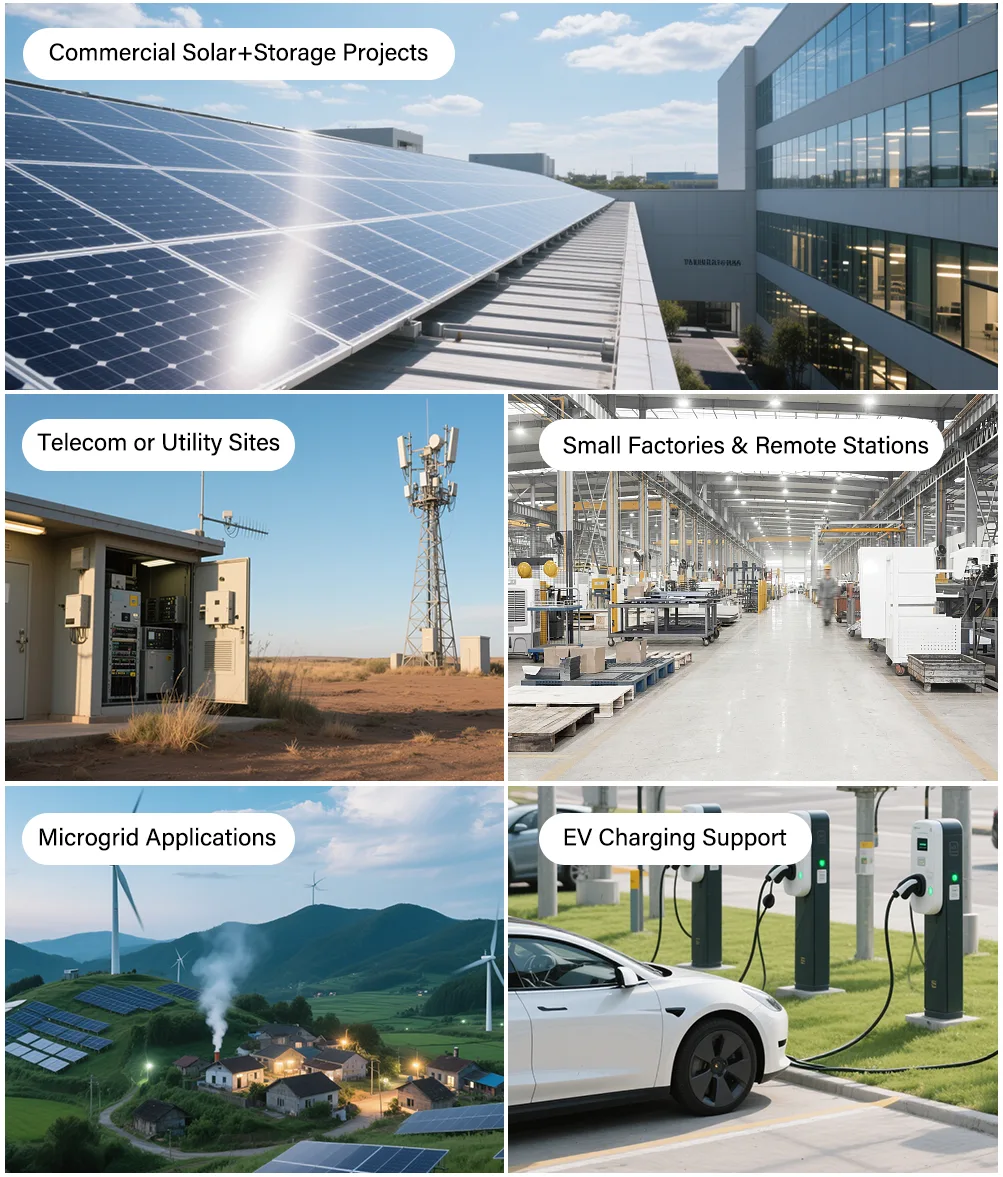
● Commercial Buildings
Discharge at peak tariff periods to cut demand charges
● Light Industry
Stabilize power for machinery like CNC tools or conveyors.
● Solar-Plus-Storage
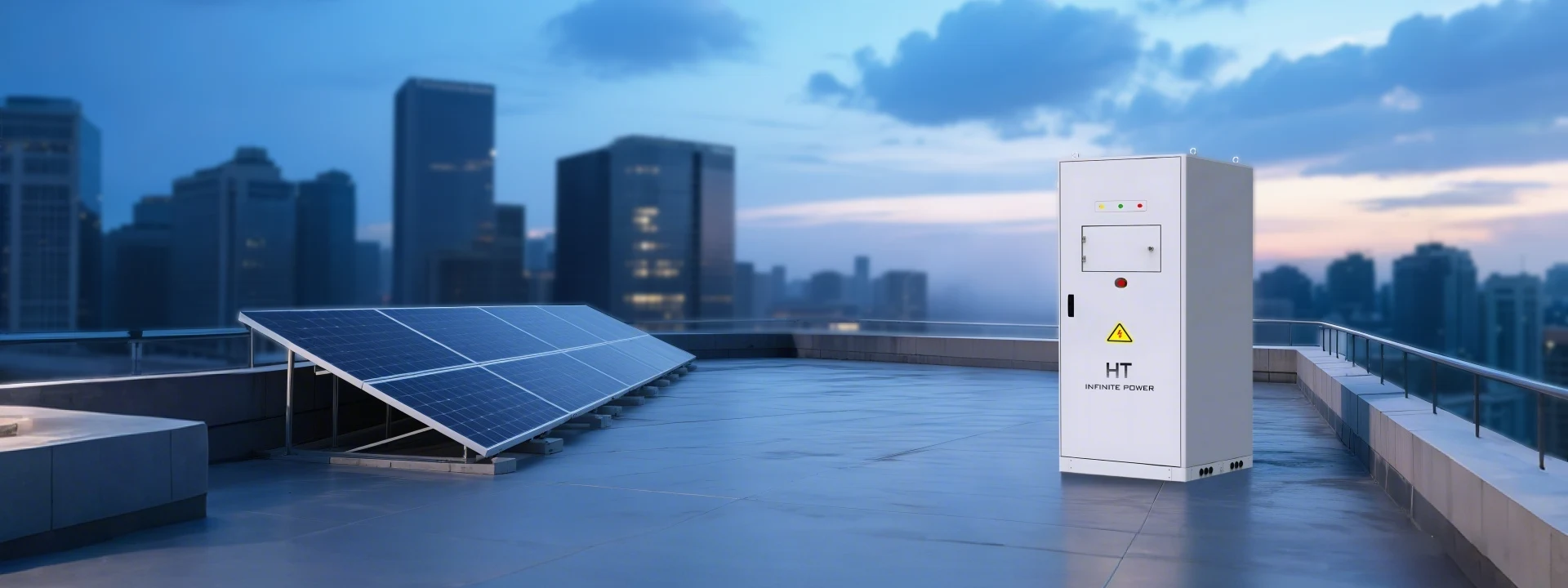
Store PV output for evening use, boosting self-consumption
● EV Charging Hubs
Buffer multiple chargers to flatten grid impact
● Telecom & Edge IT
Provide instant backup to prevent downtime in remote cabinets.
Every use case leverages the same core functions: peak shaving, TOU optimization, renewable smoothing, and seamless backup—all orchestrated by the onboard EMS.
System Design of Industrial Battery Storage Systems
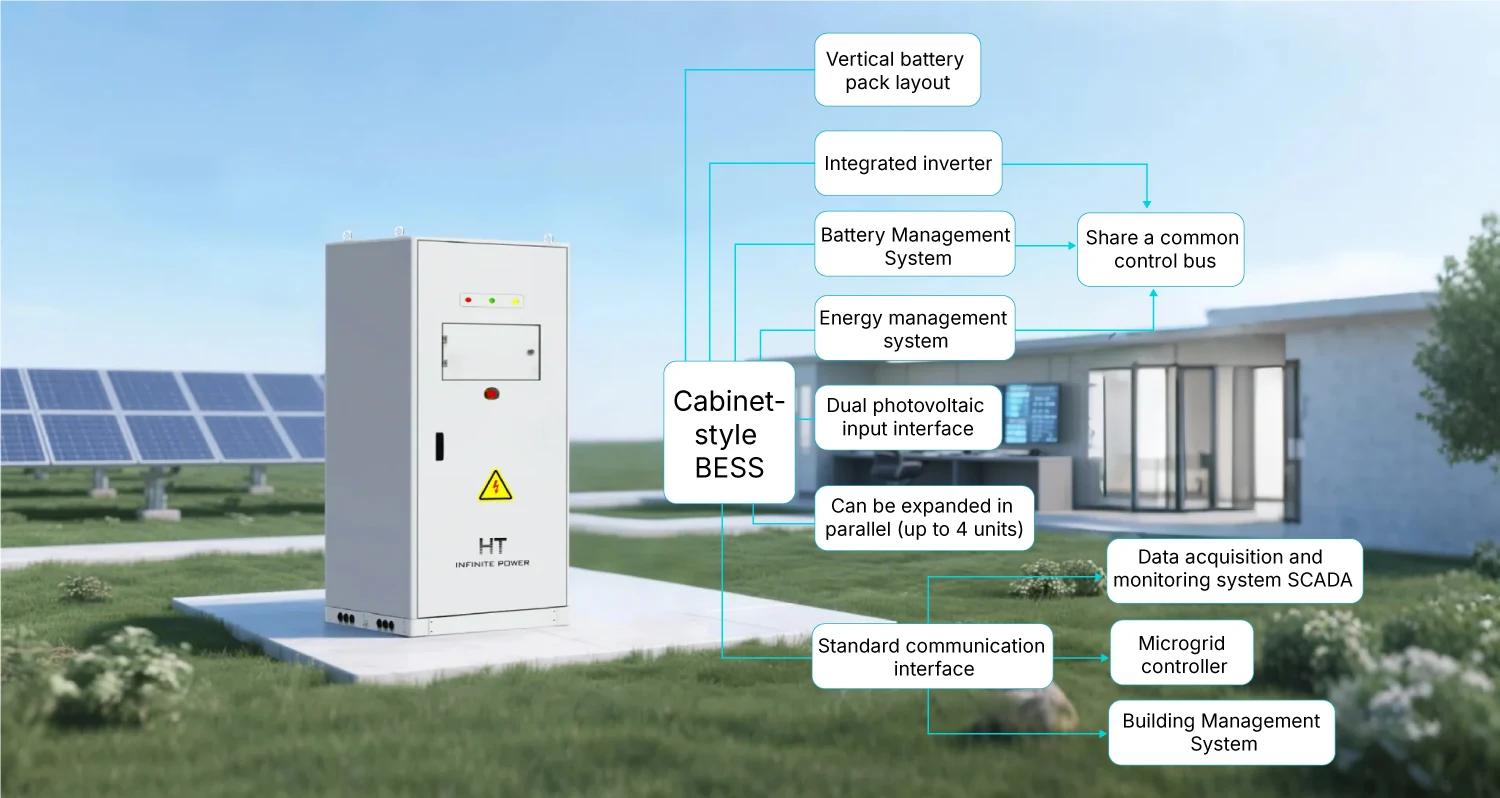
Our cabinet-style BESS is built around a vertical pack layout for optimal airflow. The integrated inverter, BMS, and EMS share a common control bus, minimizing latency and maximizing safety. Dual PV inputs allow hybrid solar operation, while standard communication ports ensure plug-and-play integration with SCADA, microgrid controllers, or building management systems. Expansion is straightforward—parallel up to four units without added controllers.

Energy Management Capabilities in Industrial Battery Storage Systems
The built-in EMS (Energy Management System) is the brain of each cabinet. It continuously monitors energy flow, battery state-of-charge, and system health. With flexible scheduling, it supports:
● Peak shaving and load shifting.
● Time-of-use optimization (based on dynamic electricity pricing)
● PV self-consumption enhancement.
● Backup mode activation during outages.
● Remote alerts and diagnostics.
Whether operating in a grid-tied, off-grid, or hybrid setup, the EMS ensures your industrial battery storage system responds intelligently and efficiently—without manual intervention.
How To Get A Suitable BESS Project ?

Collect Projets Information

Contact Us

Our Engineers Make Solutions And Quotation For You

Install

Use
FREQUENTLY ASKED QUESTION
─── About 30kW/50kWh&60kWh Industrial Battery Storage Systems ───
Two cabinet models—30 kW / 50 kWh and 30 kW / 60 kWh—each integrating inverter, LiFePO₄ battery packs, BMS, and EMS in one enclosure.
Parallel up to 4 units under a single EMS. Scale usable energy from 50/60 kWh to 200/240 kWh seamlessly.
Yes. EMS handles peak shaving and TOU when grid-tied; in off-grid mode, it delivers uninterrupted backup for critical loads.
Each cabinet is IP54-rated and air-cooled, with built-in safeguards including:
Pack-level current limits (max. 100 A for charge/discharge)
Continuous temperature monitoring from –20 °C to +55 °C
Overload protection at 1.2× rated power for one minute
Operating humidity range of 10–95 % RH and altitude tolerance up to 2,000 m
These protections ensure reliable operation even in demanding commercial environments.
Each system includes two MPPT input channels, each rated at 32 A. The total PV input power supported is up to 38 kW, allowing for direct integration with rooftop solar arrays. The EMS intelligently manages PV charging and battery discharge to maximize self-consumption and reduce grid reliance.
Very little. The LiFePO₄ battery modules are rated for over 6,000 cycles at 90 % DoD. Routine maintenance focuses on airflow, cabinet seals, and EMS firmware updates. Most diagnostics and monitoring can be handled remotely without on-site inspection.
For More Questions Please Contact Us

+86 18722386248


Building 1, 1980 technology and Culture Industrial Park , Longhua, Shenzhen , China
Related Products