What are the key advantages of using industrial lithium batteries over traditional lead-acid batteries in large-scale energy storage systems?
2024-10-25

With the large-scale construction of photovoltaic power stations, most of the energy storage systems, whether for household energy storage or large scale battery storage systems, use lithium batteries. With the continuous occurrence of lithium battery fires, people can't help but wonder why energy storage batteries do not use safer lead-acid batteries, but use more dangerous lithium batteries?
In this article, we will introduce in detail why household energy storage or large scale battery storage systems do not use lead-acid batteries but lithium batteries.

Energy storage power station requirements Modern energy storage power stations require large-capacity, high-efficiency, long-life, and high-safety energy storage batteries. In this regard, lead-acid batteries have gradually been replaced by advanced energy storage technologies such as lithium-ion batteries and sodium-ion batteries.
1. Disadvantages of lead-acid batteries
Lead-acid batteries are one of the most widely used electronic chemical components. Although its manufacturing cost is relatively low, it has some disadvantages and is not suitable for use as an household energy storage or large scale battery storage systems:

(1).Short life:
The life of lead-acid batteries is only 4 to 5 years, while the life of household energy storage or large scale battery storage stations needs to be longer, generally more than 10 years. As the service life increases, the maintenance and replacement costs of lead-acid batteries will gradually increase.
(2).High maintenance cost:
The maintenance cost of lead-acid batteries is relatively high, mainly reflected in charging and maintenance. These tasks can only be done by professional technicians, so the maintenance cost is very high. Lead-acid batteries have a high self-discharge rate and are prone to gas generation, requiring frequent maintenance.
(3).Large size and weight:
Today’s household energy storage or large scale battery storage power stations require high-capacity, low-volume, and lightweight battery packs, but lead-acid batteries are relatively large in size and weight and cannot meet today’s needs.
Lead-acid batteries have been used for backup power in residential solar power generation facilities since the 1970s. Although they are similar to traditional car batteries, the batteries used in residential energy storage systems are called deep-cycle batteries because they can be discharged and charged more times than most car batteries.
Lead-acid batteries have traditionally cost less than lithium-ion batteries, which made them more attractive to residential users. However, they have a much shorter working life than lithium-ion batteries.
Lead-acid batteries have a lower working life than lithium-ion batteries. While some lead-acid batteries can be charged and discharged up to 1,000 times, lithium-ion batteries can be charged and discharged between 1,000 and 4,000 times.
Most lead-acid batteries have a service life of about 5 years and a corresponding warranty. Therefore, residential users will have to replace lead-acid batteries several times over the overall life of a solar power generation facility.
Lead-acid batteries store energy less efficiently than other energy storage technologies such as lithium-ion batteries. Due to the lower efficiency, they also cannot charge or discharge as quickly as lithium battery energy storage systems.
Lead-acid batteries have a lower discharge capacity, which means that consuming too much energy will cause their ability to store energy to deteriorate quickly. Research by the National Renewable Energy Laboratory (NREL) found that releasing 50% of the energy in a lead-acid battery allows it to complete 1,800 charge and discharge cycles before its energy storage capacity drops significantly. If discharged to 80% of its capacity, it can only withstand 600 charge and discharge cycles, after which its capacity will drop significantly.
Because lead-acid batteries have relatively low energy storage efficiency and cannot be fully discharged, lead-acid batteries require more energy storage capacity and space than lithium-ion batteries. Lead-acid batteries are also much heavier than lithium-ion batteries, require more sturdy brackets to place lead-acid batteries, and require more space than lithium-ion battery packs.
Lead is a toxic heavy metal, and although it is recyclable, it can still cause pollution due to improper disposal.
2. Advantages of lithium-ion batteries
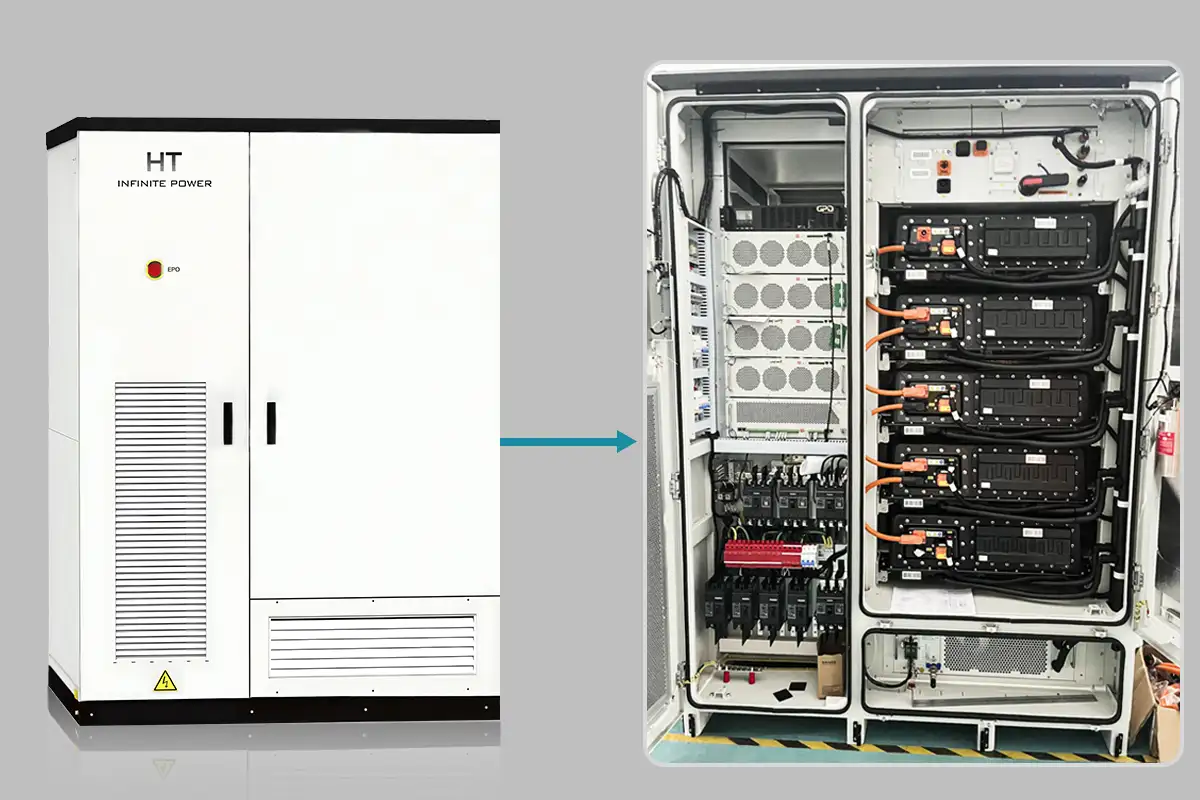
The battery pack of household energy storage or large scale battery storage power stations requires high safety, high energy density, long life and low maintenance cost. Therefore, today's energy storage power stations mainly use lithium-ion batteries as battery packs.

(1). Environmental friendliness:
Lithium-ion batteries are much more environmentally friendly than lead-acid batteries, especially the emergence of lithium iron phosphate batteries, which do not contain toxic metals and basically do not cause damage to the environment. Lead-acid batteries, however, contain heavy metals and can cause serious environmental pollution.
(2). Safety:
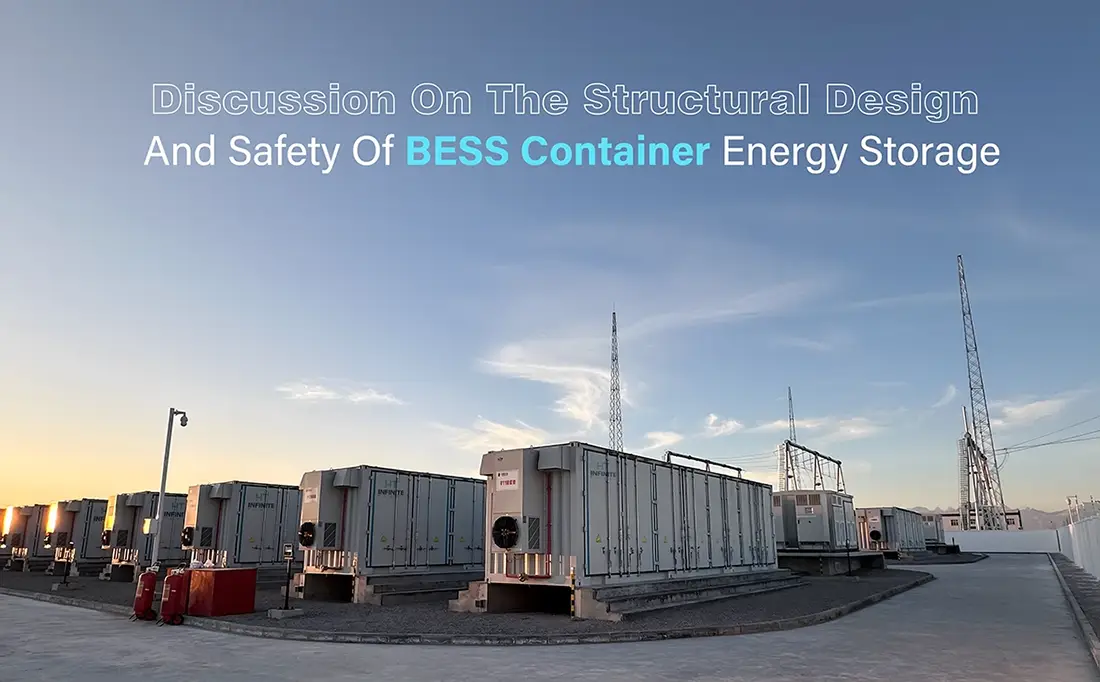
With the continuous development of technology, the management level of lithium batteries has developed rapidly. Today's lithium batteries have good overcharge protection and over-discharge protection functions, and adopt more stringent safety measures to protect the safety of users. For safety control of lithium batteries, please refer to the article “Discussion on the structural design and safety of battery container energy storage”.
(3). High energy density:
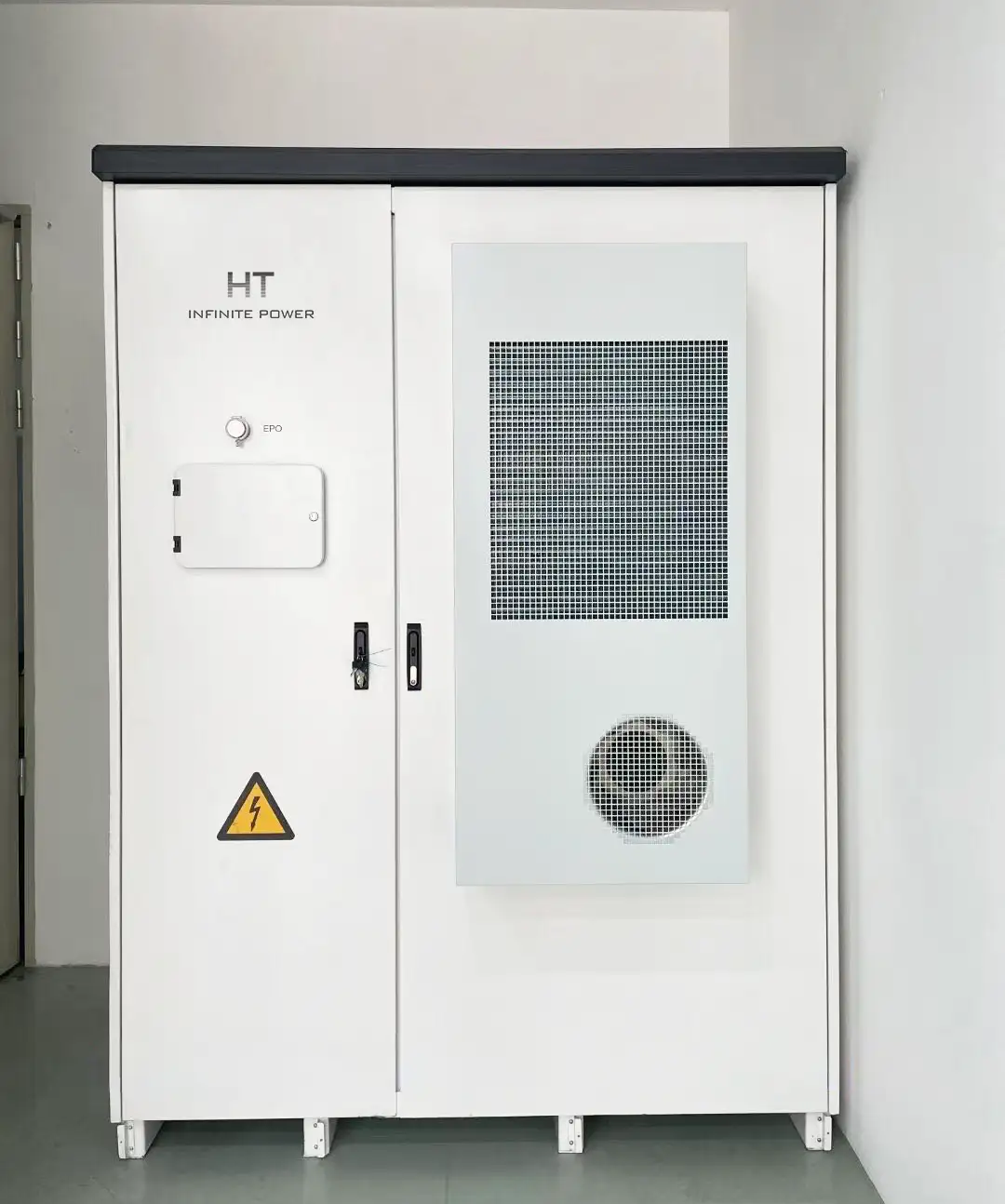
With the same mass, the energy density of lithium-ion batteries is 3 to 4 times higher than that of lead-acid batteries. This means that lithium-ion batteries can provide more power and take up less space and volume.
In terms of weight. Lithium-ion batteries used in residential energy storage systems are not light, but they are much lighter than lead-acid batteries. The 13.5 kWh Tesla Powerwall weighs about 278 pounds, the 1.7 kWh lead-acid battery weighs about 132 pounds, and the lead-acid battery of the same capacity as the Powerwall will weigh more than 1,000 pounds.
(4). Long life:
Compared with the average 5-year service life of lead-acid batteries, the average service life of lithium batteries is more than 10 years.
(5). Higher operating efficiency:
Lead-acid batteries store energy less efficiently than other energy storage technologies such as lithium-ion batteries. Due to their lower efficiency, they also cannot charge or discharge as quickly as lithium battery energy storage systems. Lithium-ion batteries can also charge faster at higher voltages. While lead-acid batteries can take up to 16 hours to fully charge, even the slowest-charging lithium-ion batteries can be fully charged in about four hours.
Lead-acid batteries have a low discharge capacity, which means that consuming too much energy causes their ability to store energy to rapidly deteriorate. Research from the U.S. National Renewable Energy Laboratory (NREL) found that releasing 50% of the energy in a lead-acid battery can allow it to complete 1,800 charges and discharges before the energy storage capacity drops significantly. If it is discharged to 80% of its capacity, it can only withstand 600 charges and discharges, and then its capacity will drop significantly.
Because lead-acid batteries have relatively low energy storage efficiency and cannot be fully discharged, lead-acid batteries require more energy storage capacity and space than lithium-ion batteries. Lead-acid batteries are also much heavier than lithium-ion batteries, require stronger supports to house them, and require more space than lithium-ion battery packs.
(6). Low maintenance cost:
Due to the long life of lithium-ion batteries, maintenance costs are also reduced accordingly, which plays an important role in controlling the daily operating costs of energy storage power stations.
(7). The shrinking cost gap:
Initially, lead-acid batteries had a greater cost advantage over lithium batteries. However, with the continuous expansion of technology and the scale of use, the cost of lithium batteries has continued to decline in recent years, and the cost difference between the two will become smaller and smaller.
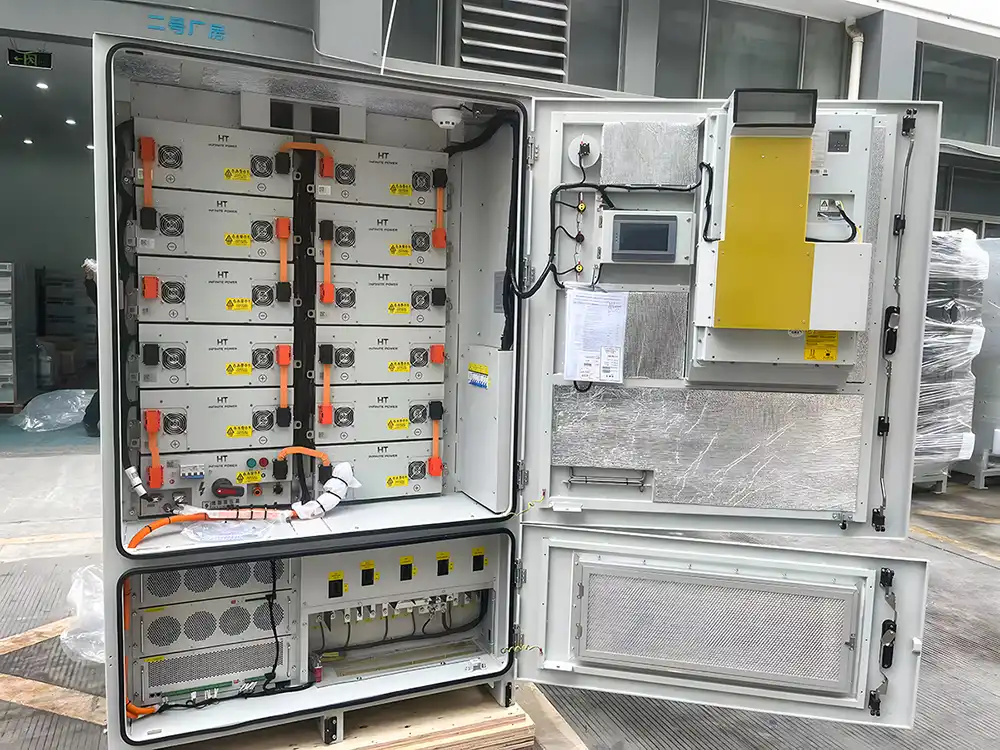
In the long run, lithium batteries have obvious advantages in electrochemical energy storage, while lithium iron phosphate batteries have obvious cost advantages and cycle performance advantages over lithium batteries made of other materials, are more environmentally friendly, and have higher safety. Regardless of the current application situation and development trend, In the future, the main growth in both household energy storage and commercial and industrial energy storage will lie in lithium iron phosphate batteries, which are expected to become the mainstream in the household energy storage or large scale battery storage systems market.
What is a liquid cooling energy storage system and its advantages?
Can a photovoltaic power generation system be used without installing energy storage batteries?
Related Article