Five Common Myths About Battery Storage Debunked
2025-08-05
Introduction: Why Myths Persist Around Battery Storage
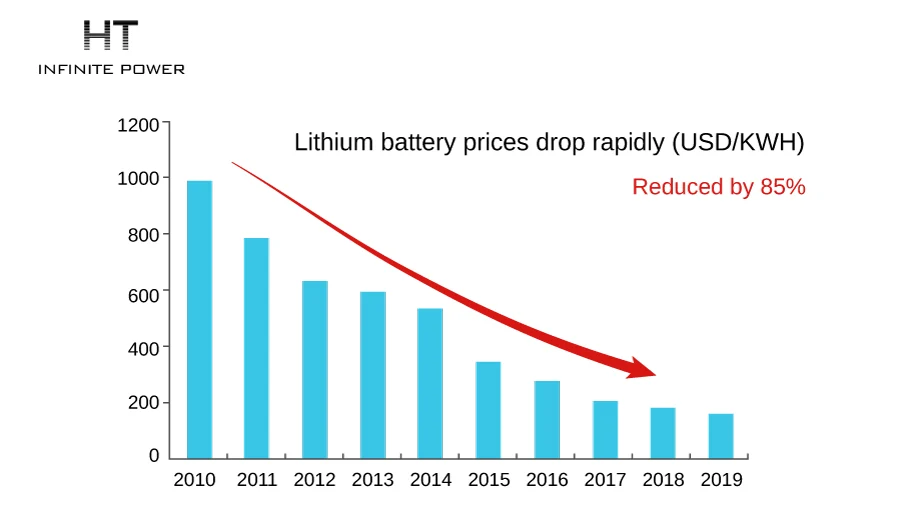
Battery storage has gone mainstream, yet myths cling stubbornly. Headlines about fires, scare-tactics around costs, and “only for solar” misconceptions create barriers. In reality, the industry has matured: battery pack prices have plunged 85% over the last decade, safety certifications are rigorous, and deployments span homes, factories, remote telecom sites, and even utility‐scale microgrids. By debunking five top myths, this article arms you with the facts—complete with numbers, case studies, and best‐practice tips—so you can evaluate battery storage with clarity and confidence.
Myth #1: Battery Storage Is Too Expensive to Be Worthwhile
1.The True Cost Over a System’s Lifetime
Upfront sticker shock hides the real story. Levelized Cost of Storage (LCOS) spreads that investment over a decade or more, turning what seems like a big cost into long-term savings. Today’s residential lithium-ion battery systems deliver LCOS of $0.10–$0.20 per kWh, when amortized across 10–15 years of use (U.S. Department of Energy, 2023). In comparison, utility peak rates can hit $0.25–$0.35 per kWh, meaning battery owners see real cost avoidance from day one.
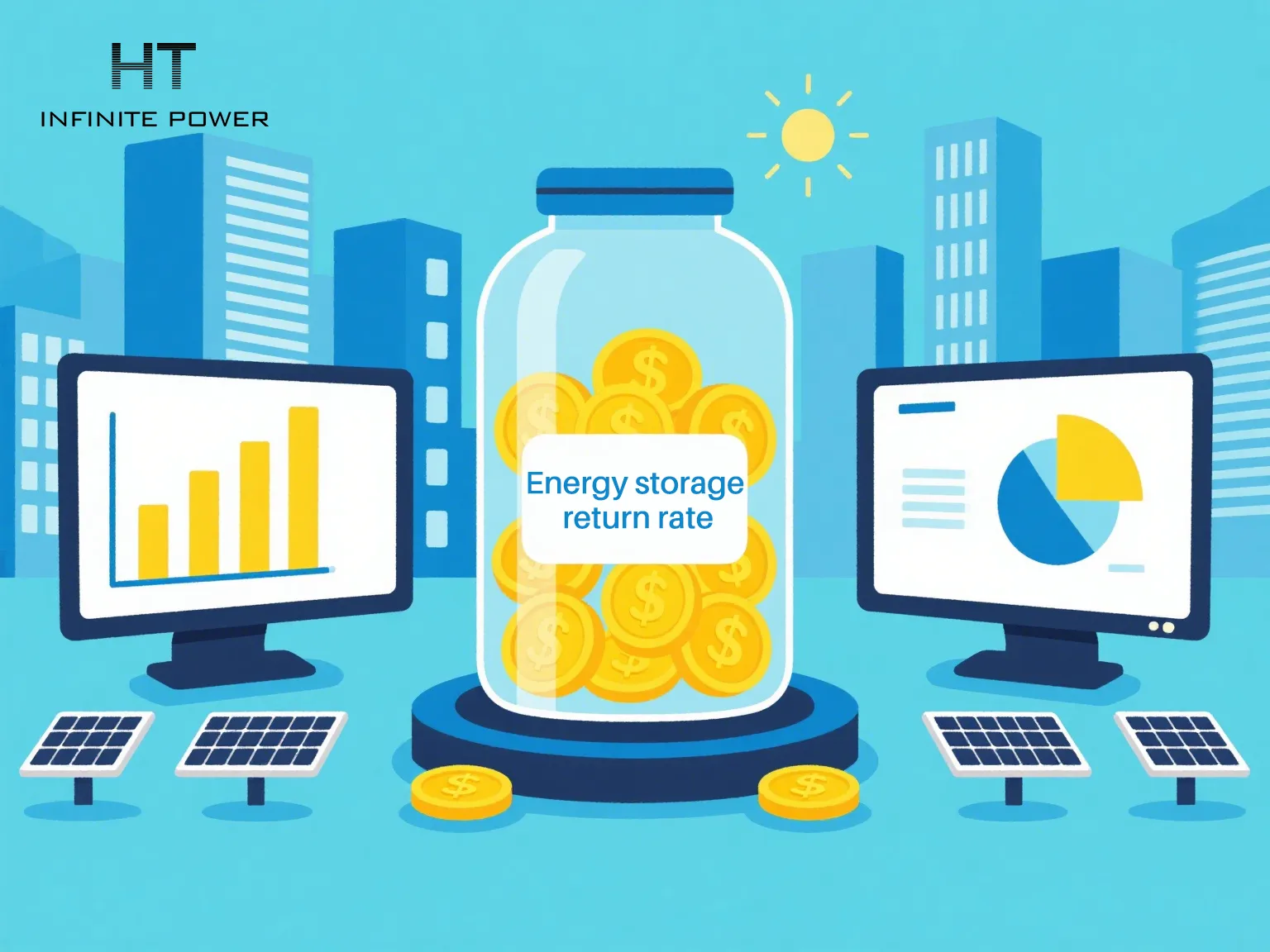
Commercial setups benefit even more. Businesses often pay $15–30 per kW per month in demand charges, which battery systems can significantly reduce. According to a BloombergNEF report, many companies now see ROI in as little as 3.5 years, after which every kilowatt-hour saved drops straight to the bottom line.
2.Real‐World ROI Examples
California Winery: Installed 100 kW/400 kWh to dodge $20 000/month in demand fees. ROI: 3½ years.
Texas Manufacturer: Added batteries to solar, cutting grid purchases by 70%, saving $120 000 annually—payback in 4 years.
Off‐Grid Lodge: Replaced noisy generator with 50 kWh battery and PV array—eliminated $2 500/month diesel costs, ROI in 2 years.
Texas Manufacturer: Added batteries to solar, cutting grid purchases by 70%, saving $120 000 annually—payback in 4 years.
Off‐Grid Lodge: Replaced noisy generator with 50 kWh battery and PV array—eliminated $2 500/month diesel costs, ROI in 2 years.
Myth #2: Batteries Only Work with Solar Panels
1.Grid-Connected and Off-Grid Use Cases
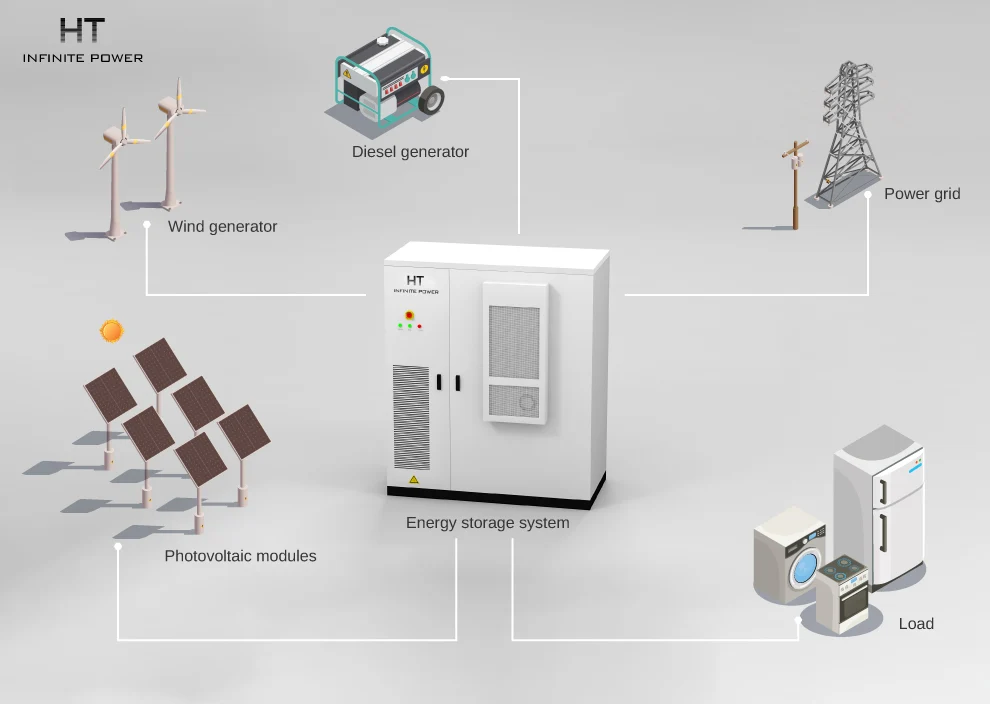
While solar pairing is common, batteries thrive in diverse setups:
- Grid-Tied: Store off-peak cheap power, discharge at peak.
- Off-Grid: Combine with diesel gensets for telecom towers or remote cabins—batteries handle daily cycling, gensets cover long downtimes.
- Wind + Hydro: Smooth out intermittency in hybrid renewables microgrids.
2.Commercial Demand-Charge Management
Retailers and factories pay demand charges based on highest 15-minute draw. Batteries charge at night at $.05/kWh then discharge at peak, slashing bills. No solar needed—just smart scheduling via energy management software and automated controls.
Myth #3: Battery Storage Is Dangerous and Prone to Fires
1.Advances in Safety and BMS Technology
Early lithium systems had growing pains, but today’s packs:
- Pass UL 9540A thermal‐runaway tests.
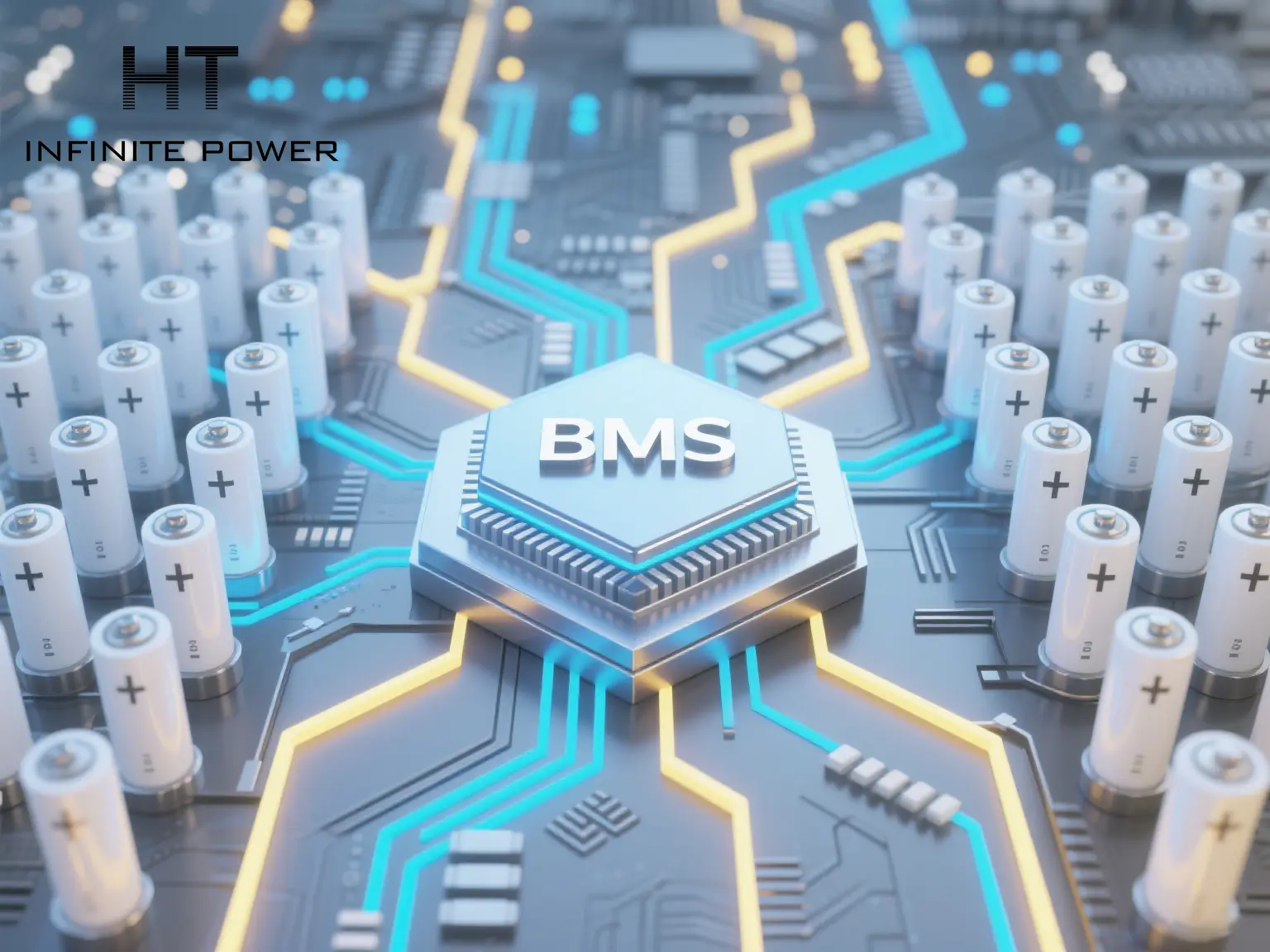
- Incorporate multi‐layer BMS monitoring voltage, temperature, and impedance dozens of times per second.
- Feature fire-retardant enclosures and automatic cell isolation.
2.Case Study: Safe Industrial Container Installations
A European data center deployed five 250 kW/1 MWh containers. Integrated humidity control, dual‐wall fireproofing, and redundant BMS passed UL 9540A with zero incidents over three years—proof that robust design and certification work.
Myth #4: Battery Capacity Degrades Too Quickly
1.Understanding Cycle Life and Depth of Discharge (DoD)
Capacity loss ties directly to DoD:
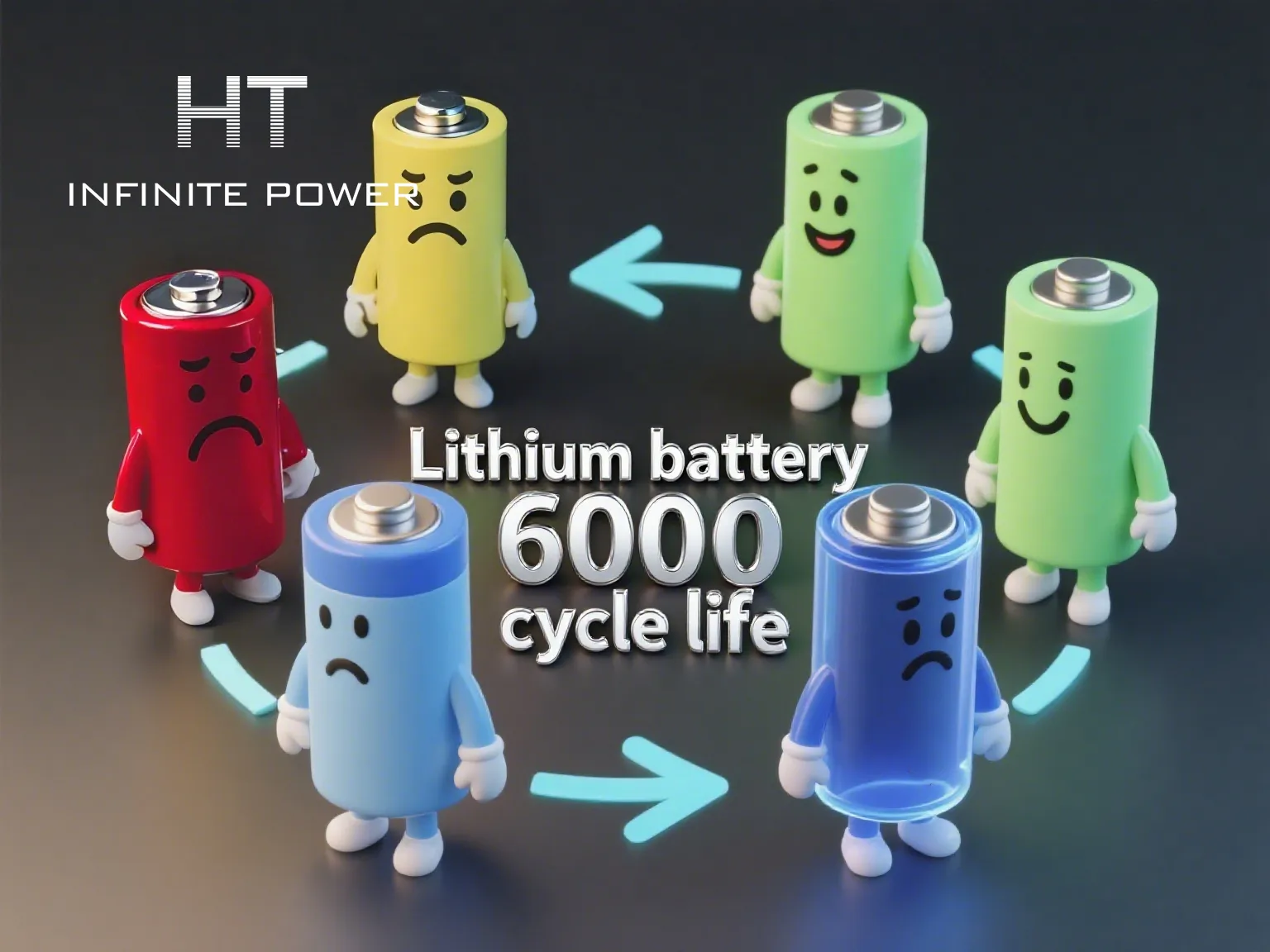
50% DoD → ~6 000 cycles.
80% DoD → ~3 000 cycles.
By capping daily DoD at 60–70%, many systems hit 10–15 years with >80% original capacity.
50% DoD → ~6 000 cycles.
80% DoD → ~3 000 cycles.
By capping daily DoD at 60–70%, many systems hit 10–15 years with >80% original capacity.
2.Comparing Lithium-Ion, Lead-Acid, and Flow Batteries
-
Lead-Acid: Shallow cycles (<50% DoD), sulfation risk.
- Lithium-Ion: High energy density, flexible DoD, sophisticated BMS.
- Flow: 100% DoD safe, thousands of cycles, lower energy density—ideal for heavy daily cycling.
Myth #5: You Need a Technical Expert to Operate a Battery System
1.User-Friendly Interfaces and Automated Controls
Modern inverters and BMS feature:
- Touchscreen setup wizards.
- Pre-configured modes (backup, self-consumption, peak shaving).
- Mobile apps with step-by-step commissioning—anyone can follow prompts in under an hour.
2.Remote Monitoring and Service
Cloud platforms collect performance data, push firmware updates, and trigger alerts. Service teams can adjust settings or balance cells remotely—eliminating most on-site technician visits and simplifying operations.
How to Choose the Right Battery Storage System
1.Matching Power (kW) vs. Energy (kWh) Needs
- Power (kW): Meets instantaneous demands (motors, HVAC).
- Energy (kWh): Sustains loads over time (lights, refrigeration).
Example: A 500 kW inverter + 1 MWh battery serves full load for 2 hours. Adjust the ratio for your backup duration or peak-shaving targets.
2.Budget, Warranty, and Maintenance Considerations
- Budget: Include CapEx, incentives, and OpEx (maintenance, replacements).
- Warranty: Check cycle count at specified DoD—exceeding voids coverage.
- Maintenance: Quarterly visual checks; annual technician audit; software updates every 3–6 months.
Conclusion: Embracing Battery Storage with Confidence
No longer a niche gadget, battery storage stands at the heart of modern energy strategies. By busting myths—on cost, compatibility, safety, longevity, and usability—you’re ready to make informed choices. Whether you’re reducing bills, securing backup power, or greening your operations, today’s systems deliver resilience, savings, and sustainability. The data, case studies, and real-world examples show one truth: battery storage works, and it’s here to stay.
Frequently Asked Questions (FAQs)
Q1. Are battery storage systems worth the investment?
Yes—residential LCOS of $0.10–$0.20/kWh vs. peak tariffs of $0.25–$0.35/kWh; commercial demand-charge savings yield payback in 3–5 years, plus outage protection.
Q2. Can I add a battery to an existing solar array?
Absolutely. AC-coupled retrofits plug into your inverter’s AC output; DC-coupled new builds maximize efficiency by sharing the PV/DC bus—each has its trade-offs in cost and yield.
Q3. How long do modern lithium-ion batteries last?
Typically 10–15 years, with >80% capacity after 6 000 cycles at 50–60% DoD. Active cooling and smart BMS extend calendar and cycle life further.
Q4. What safety certifications should I look for?
Look for UL 9540/9540A, UL 1973, IEEE 1547 (U.S.) or IEC 62619, EN 50549 (Europe). Ask for test reports, not just sticker claims.
Q5. How often should I maintain or update my system?
Monthly: Visual checks of vents and connections.
Quarterly: Software/BMS firmware updates.
Annually: Technician health audit, including impedance testing and calibration.
Quarterly: Software/BMS firmware updates.
Annually: Technician health audit, including impedance testing and calibration.
Batteries vs. Generators Backup Power Solution: A Comprehensive Comparison
What Is Cell-Level Monitoring and Why It Improves Storage Safety?